Skip to content
Dinosauria Tree

Quick access on iPhone

Add Dinosauria Tree to your Home Screen

Open the dinosaur tree like an app, with its own icon and more screen space.

  1. 1. Tap Share

    Find the Share button in your browser toolbar.

  2. 2. Choose Add to Home Screen

    You may need to scroll down in the Share menu.

  3. 3. Tap Add

    The Dinosauria Tree icon will appear on your Home Screen.

Dismiss it and this reminder will wait 30 days.

clade · 4 represented species

Ornithomimosauria

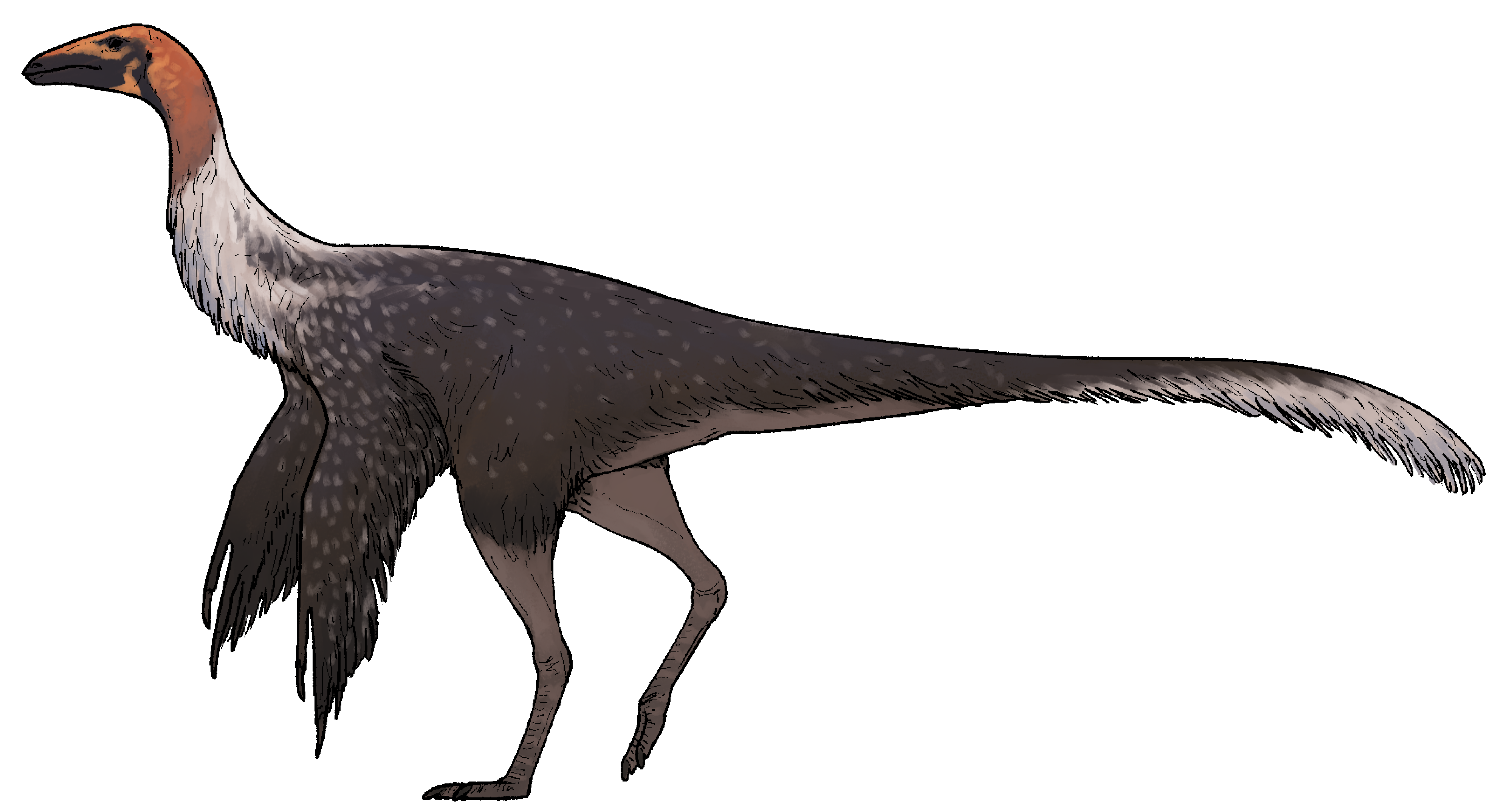
Ornithomimosauria is a lineage of lightly built, mostly long-legged coelurosaurs often called ostrich dinosaurs.
Explore this branch Parent: Coelurosauria

Public correction form

Report an error

Ornithomimosauria

The page URL and title are included automatically. Optional contact details are used only to discuss this report. Do not submit private information or precise sensitive fossil-site coordinates.

Representative silhouette for Ornithomimosauria
2Direct child groups
3Countries represented
73–66 MaDataset range

Branch structure

Direct branches in this dataset

Representative taxa

Dinosaurs in this branch
Cretaceous

Mexidracon longimanus

A long-handed ornithomimid from northern Mexico whose metacarpals were unusually longer than its metatarsals, known from one headless partial skeleton.

omnivore~2.7 m

Cretaceous

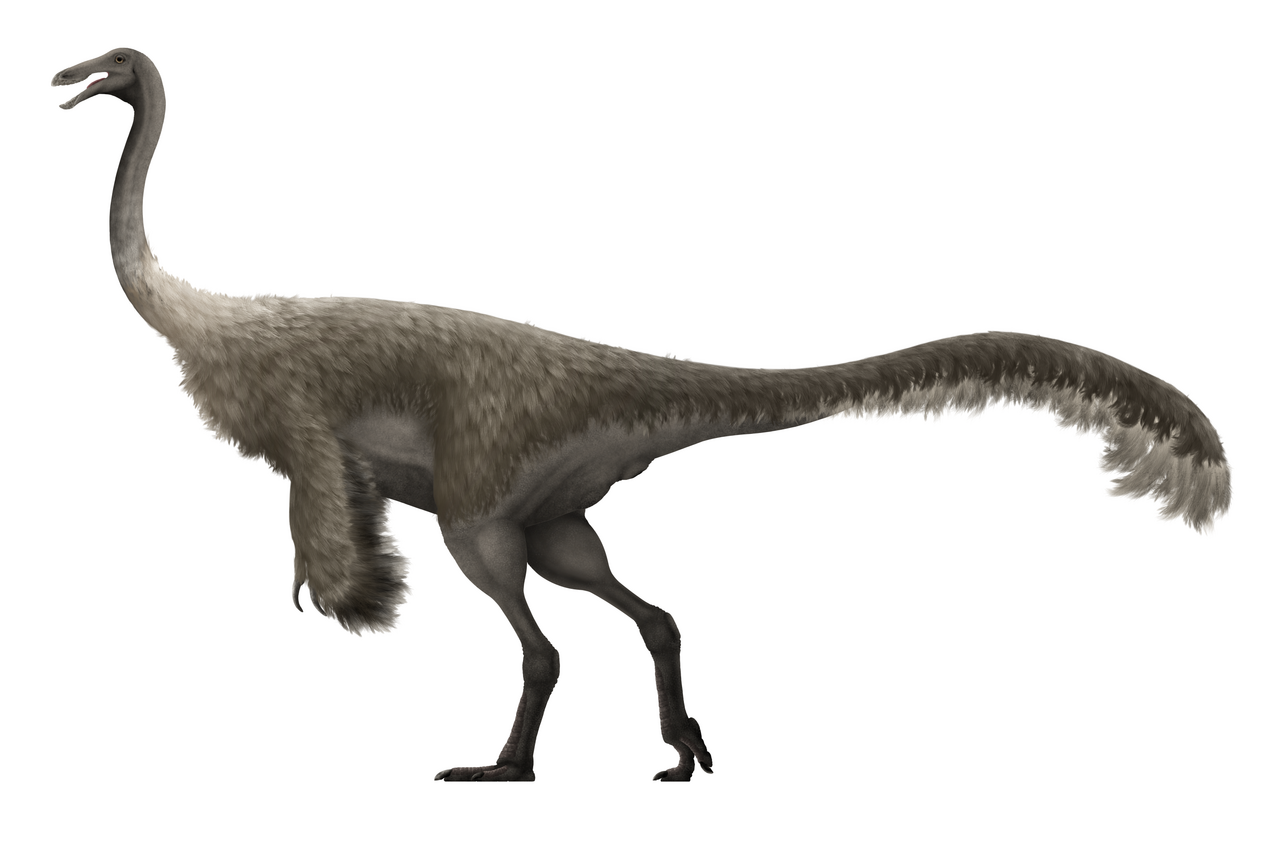
Gallimimus bullatus

A large, toothless Mongolian ornithomimid with a small head, long neck and powerful running legs, known from several skeletons spanning different growth stages.

omnivore~6 m

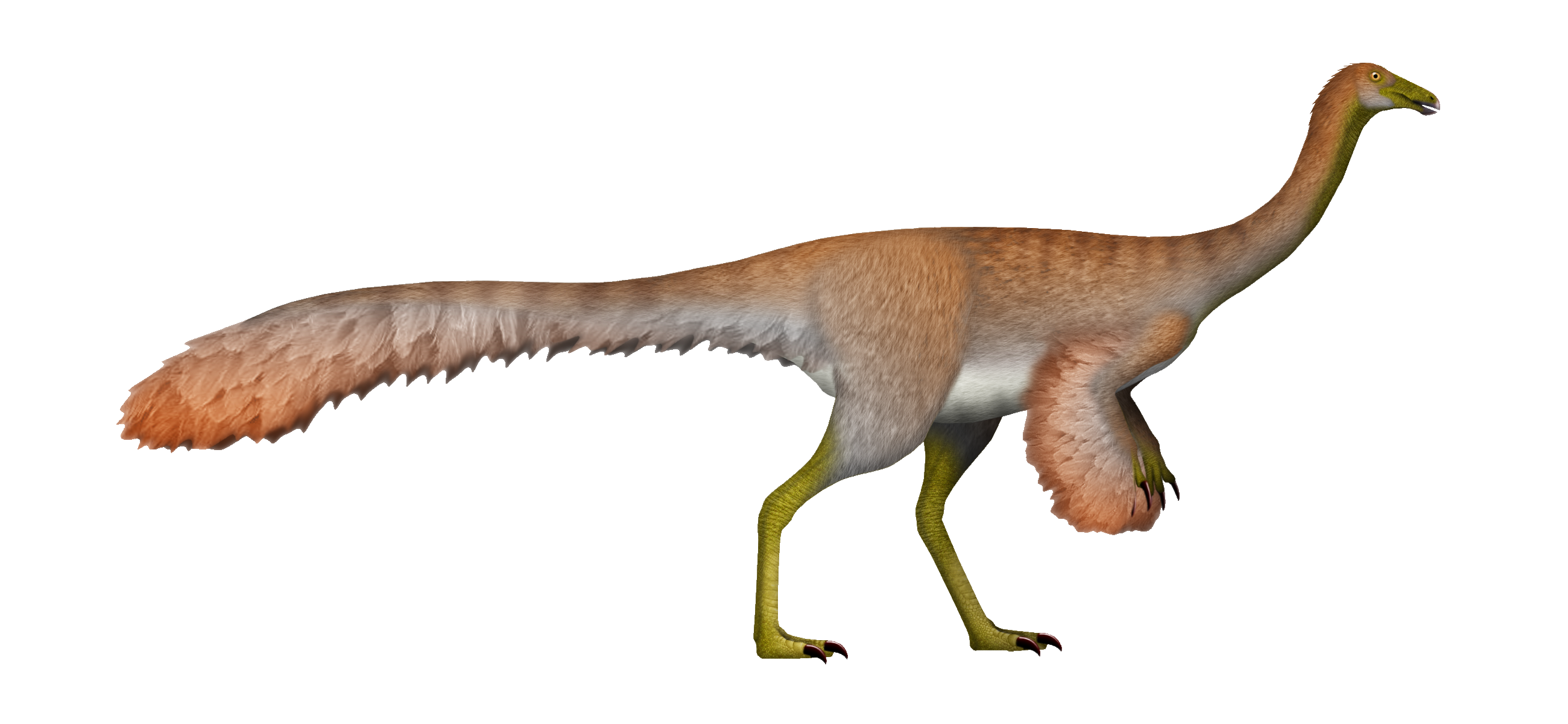
Cretaceous

Ornithomimus edmontonicus

A long-legged Canadian ornithomimid known from complete skeletons and fossils preserving a shaggy coat and adult wing-like arm feathers.

omnivore~3.8 m

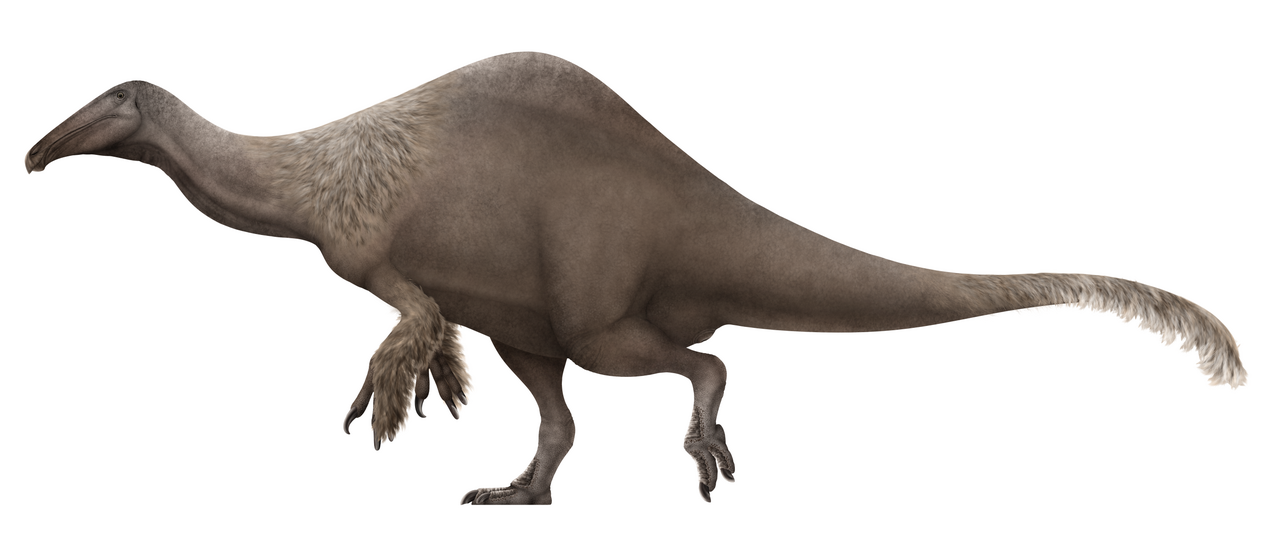
Cretaceous

Deinocheirus mirificus

A giant, deep-bodied Mongolian ornithomimosaur with enormous arms, a toothless duck-like beak, tall back spines and a broad-footed build unlike any other known theropod.

omnivore~11 m

Distribution

Geographic record

Mexico · Mongolia · Canada

Country-level summary of represented seed records, not a complete range map.

Sources

Further reading