A living map of deep time
Explore dinosaur evolution from the Late Triassic to the end of the Cretaceous
Navigate an interactive phylogenetic tree, discover evolutionary relationships, and learn about the dinosaurs that shaped prehistoric life.
Dinosaur of the day
Meet Dilophosaurus wetherilli
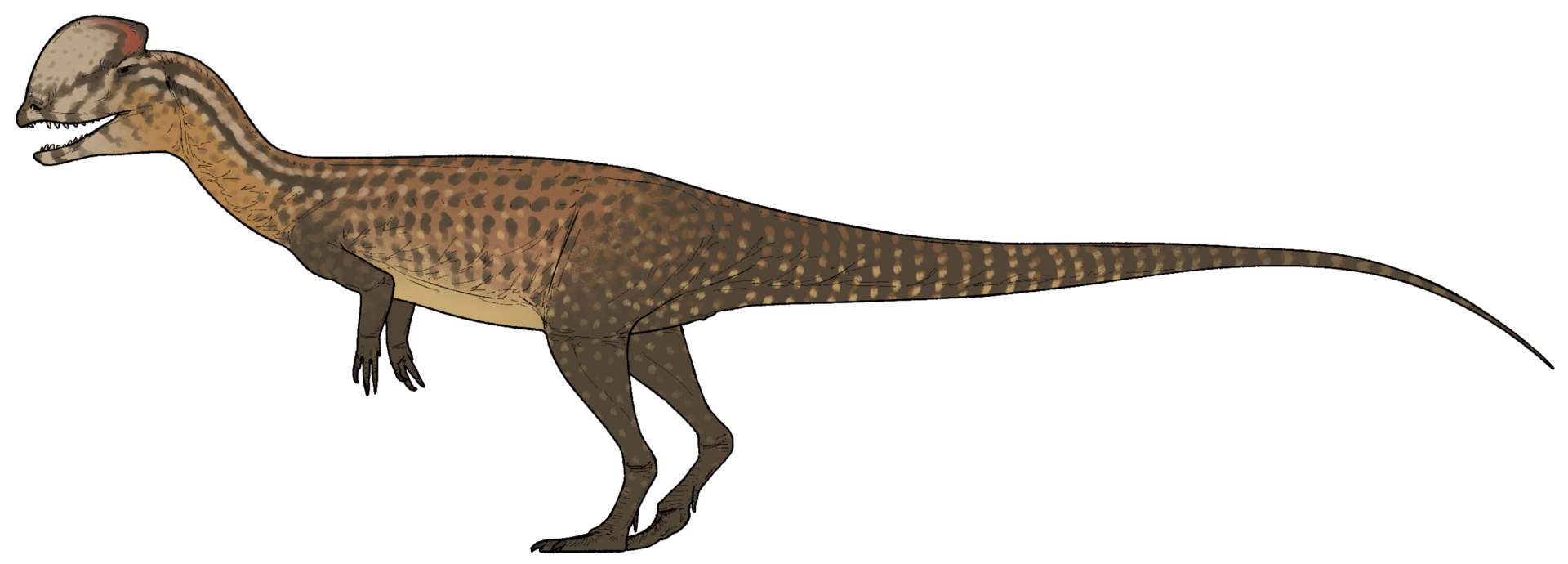
Dilophosaurus wetherilli
A large Early Jurassic predator from Navajo Nation lands in Arizona, distinguished by two thin crests built from several skull bones. It was far larger and more powerfully constructed than its small, venom-spitting film counterpart—and no fossil supports either venom or a neck frill.
The database
A database built from relationships
Taxon counts include the species, genera and clades represented in the current curated dataset; they are not a count of every known dinosaur.
Deep time
Three periods. One changing world.
Filter the tree by geological period and see how dinosaur diversity unfolded. Dates are expressed in millions of years ago.
Ma = million years ago. Boundaries and taxon ranges are approximate.
Latest field notes
Recently added
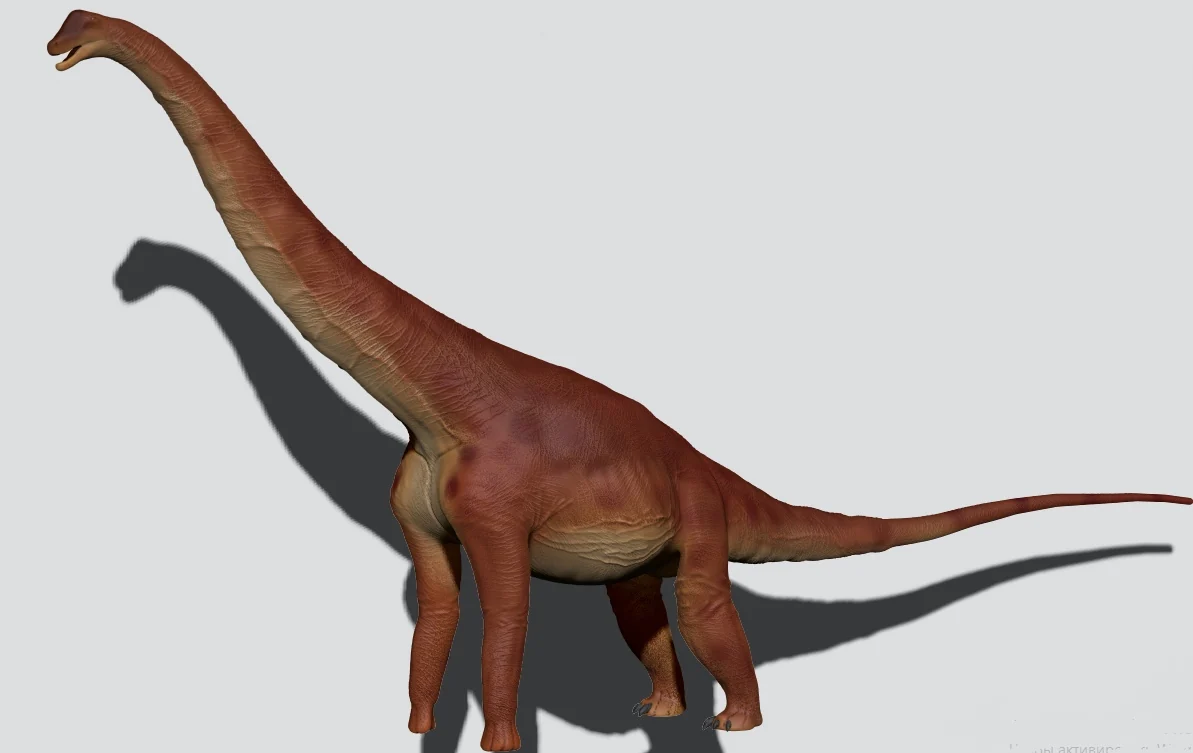
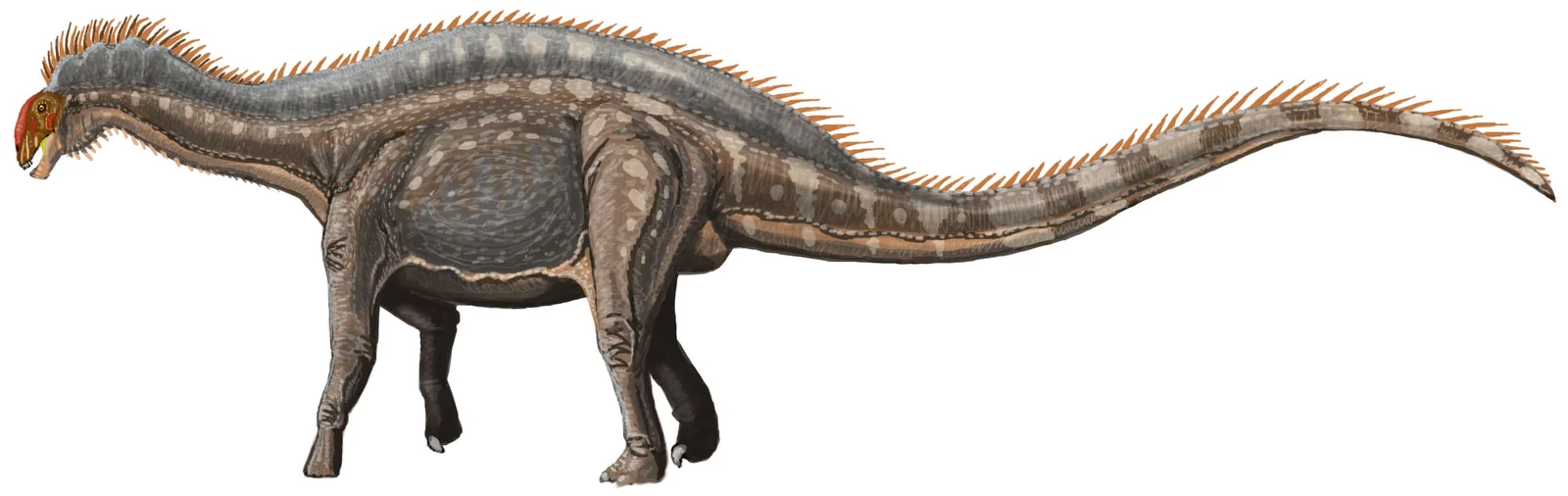
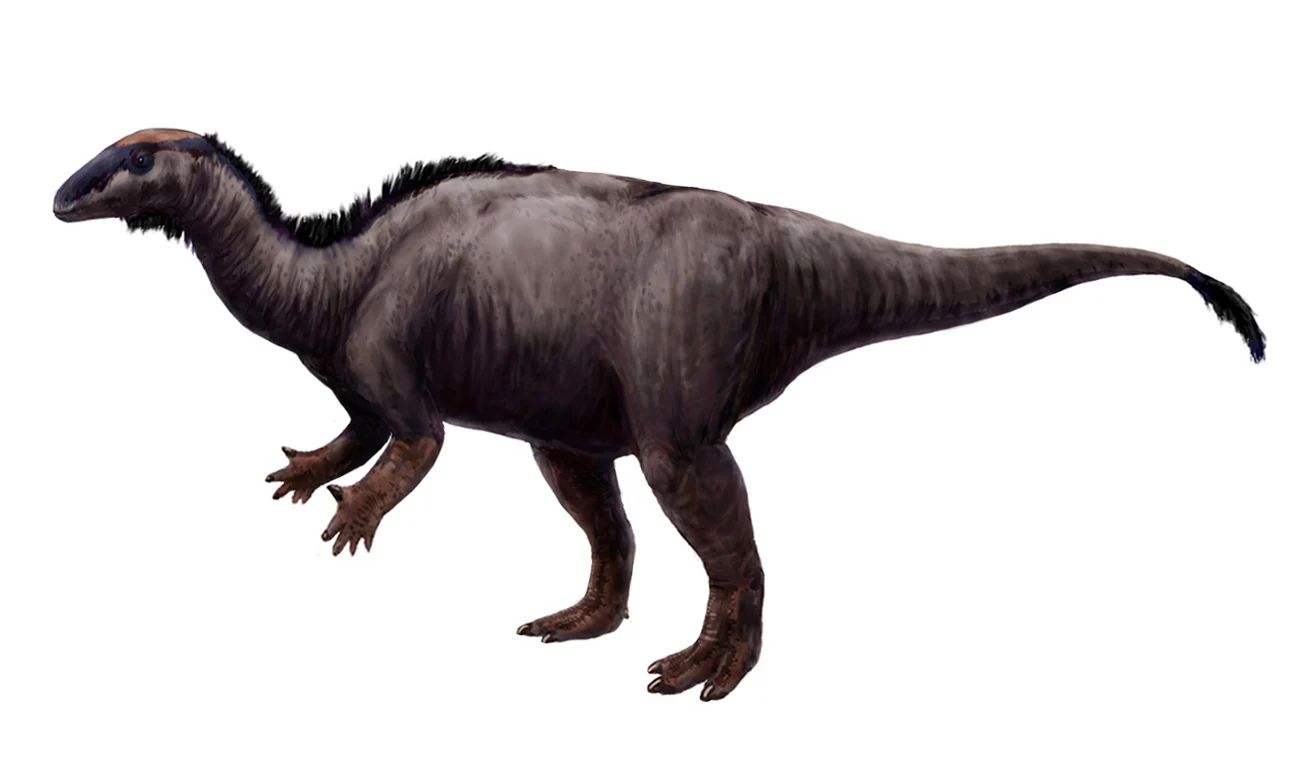
Evolutionary atlas
Major dinosaur groups
Theropoda
Theropoda is a diverse lineage of ancestrally bipedal dinosaurs that includes large predators, many small feathered forms and all living birds.
Explore group 02Sauropodomorpha
Sauropodomorpha is the predominantly herbivorous lineage that ranges from early, often bipedal forms to the giant quadrupedal sauropods.
Explore group 03Maniraptora
Maniraptora is a coelurosaurian theropod lineage that includes dromaeosaurids, troodontids, oviraptorosaurs, therizinosaurs and birds.
Explore group 04Thyreophora
Thyreophora is the armoured ornithischian lineage containing stegosaurs, ankylosaurs and their early relatives.
Explore group 05Ornithopoda
Ornithopoda is a lineage of beaked herbivorous ornithischians ranging from small bipeds to large, often facultatively quadrupedal iguanodontians and hadrosaurs.
Explore group 06Ceratopsia
Ceratopsia is a lineage of beaked herbivorous ornithischians that includes small early forms and the large horned ceratopsids.
Explore groupHow to read the tree
What is a phylogenetic tree?
It is a testable hypothesis about evolutionary relationships. Each fork represents a shared ancestor; nearby tips share a more recent ancestor than distant tips. It is not a ladder of progress, and its branches can change when scientists analyse new evidence.
Learn the essentialsExplore the database
Discover every dinosaur
Browse detailed profiles, compare species, and follow each dinosaur's position in the evolutionary tree.
Browse all dinosaursScientific history
Recently described in this dataset
Begin at the root
Every branch is a question about the past.
Start with Dinosauria, follow the evidence, and discover where every species belongs.
Open the full tree