Skip to content
Dinosauria Tree

Quick access on iPhone

Add Dinosauria Tree to your Home Screen

Open the dinosaur tree like an app, with its own icon and more screen space.

  1. 1. Tap Share

    Find the Share button in your browser toolbar.

  2. 2. Choose Add to Home Screen

    You may need to scroll down in the Share menu.

  3. 3. Tap Add

    The Dinosauria Tree icon will appear on your Home Screen.

Dismiss it and this reminder will wait 30 days.

Dinosaur index

Dinosaur directory

Filter curated species records by evolutionary group, time, diet, geography, size, and the completeness of known fossils.
Showing 123 of 123 species

Cretaceous

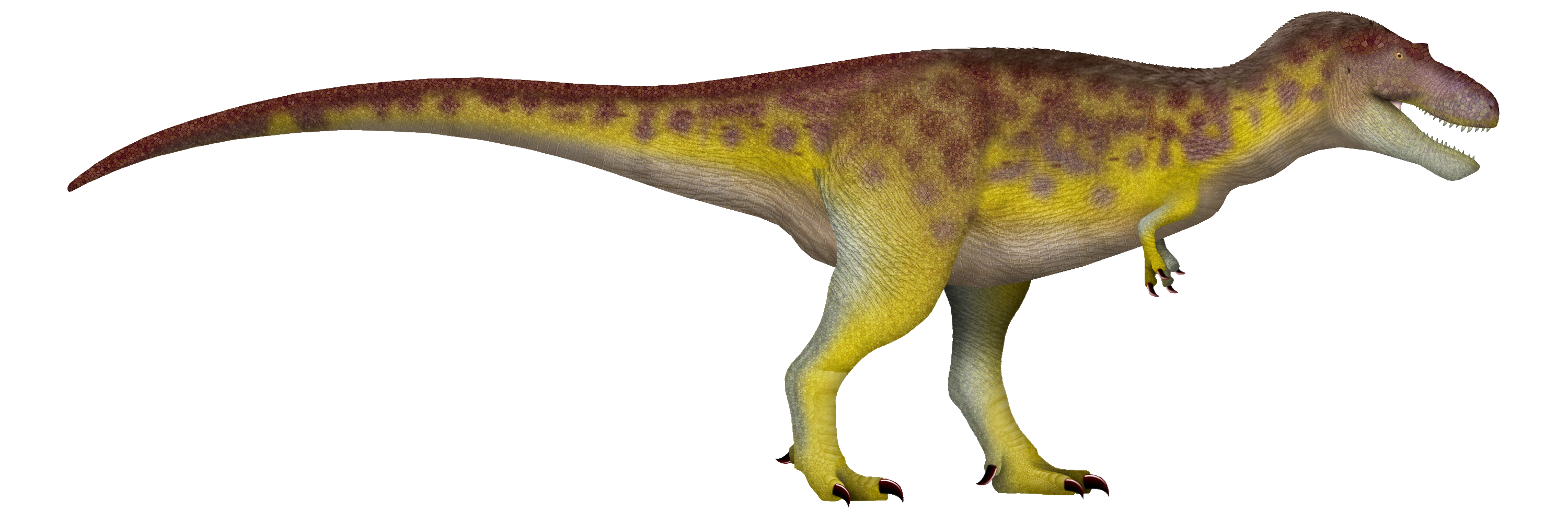
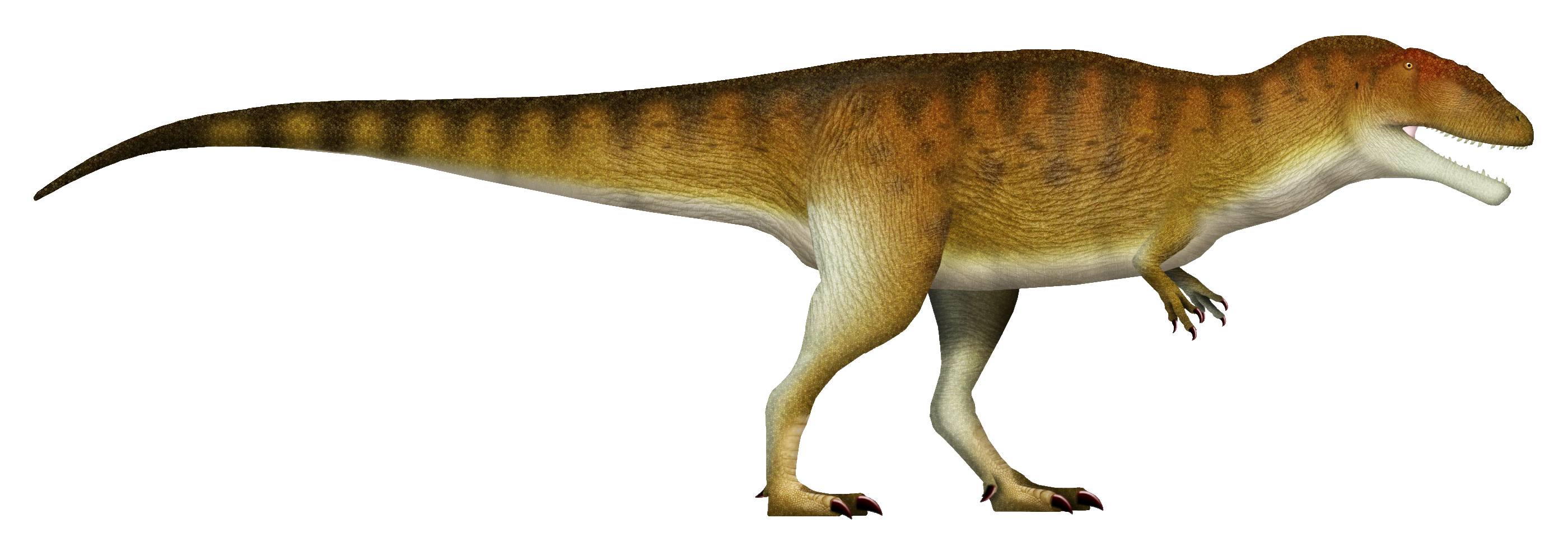
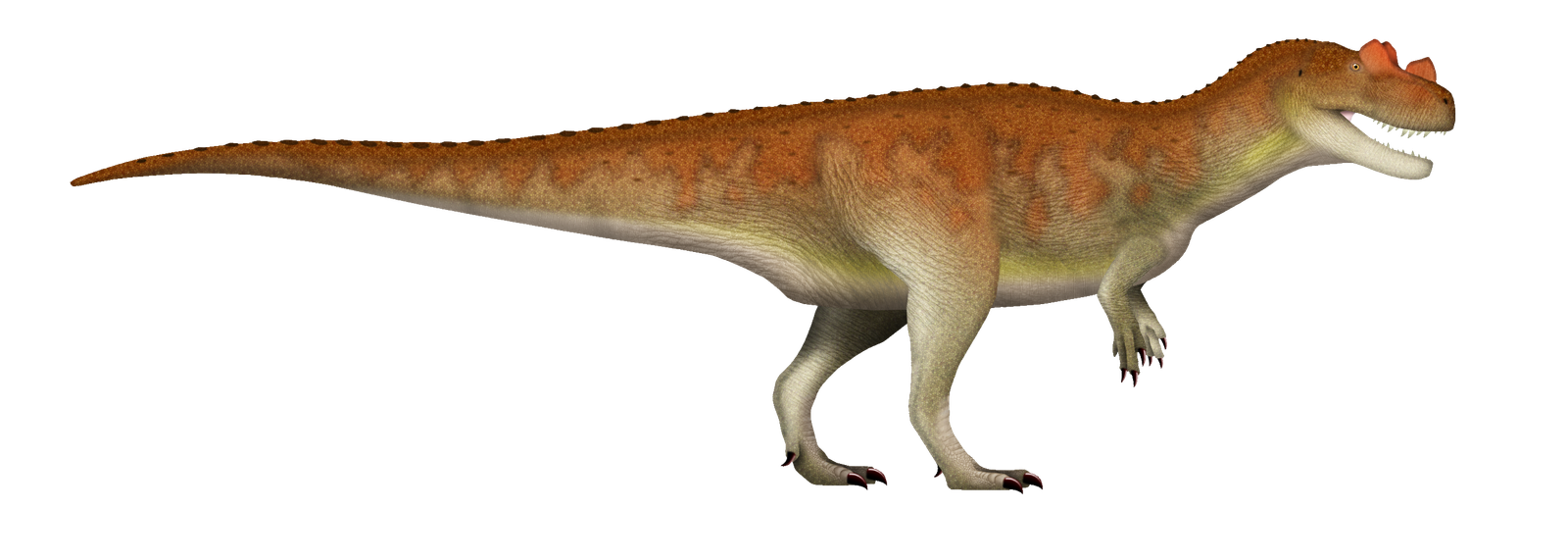
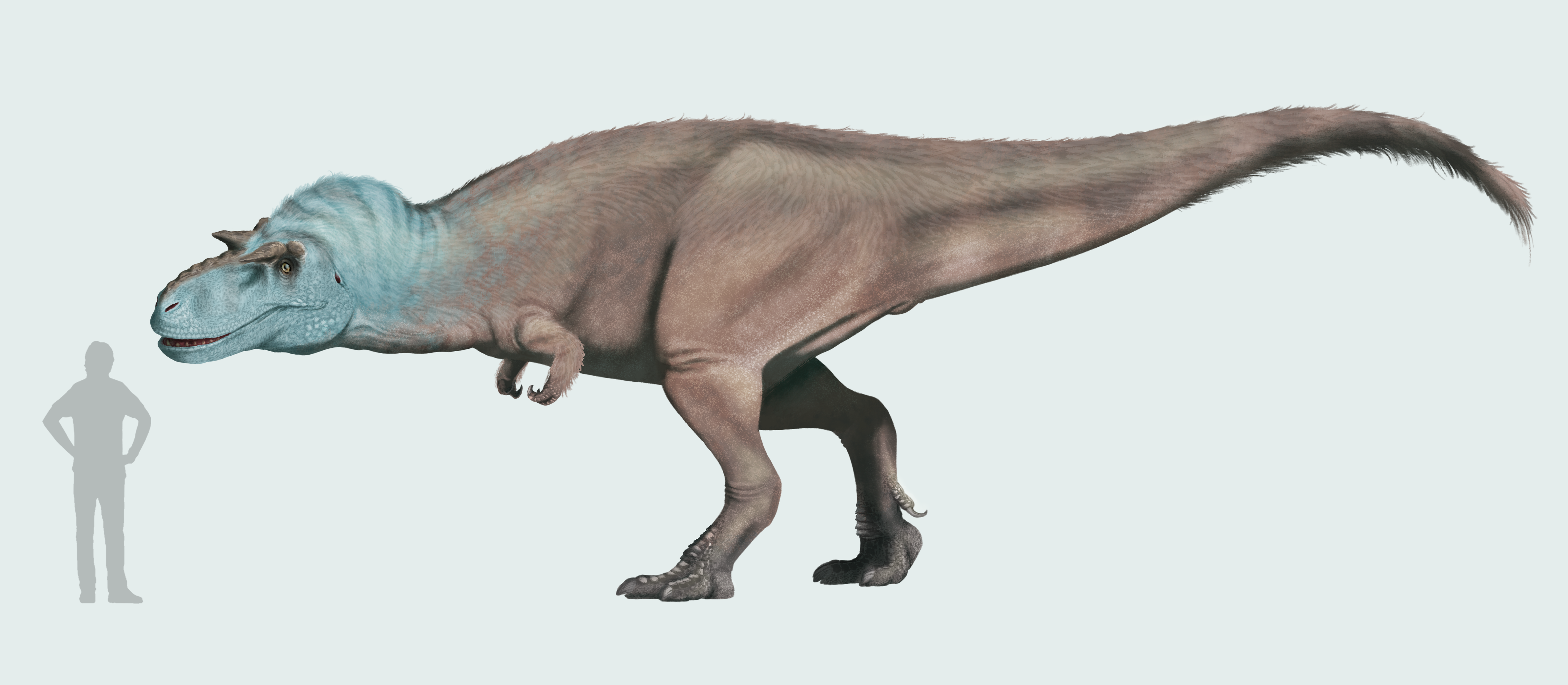
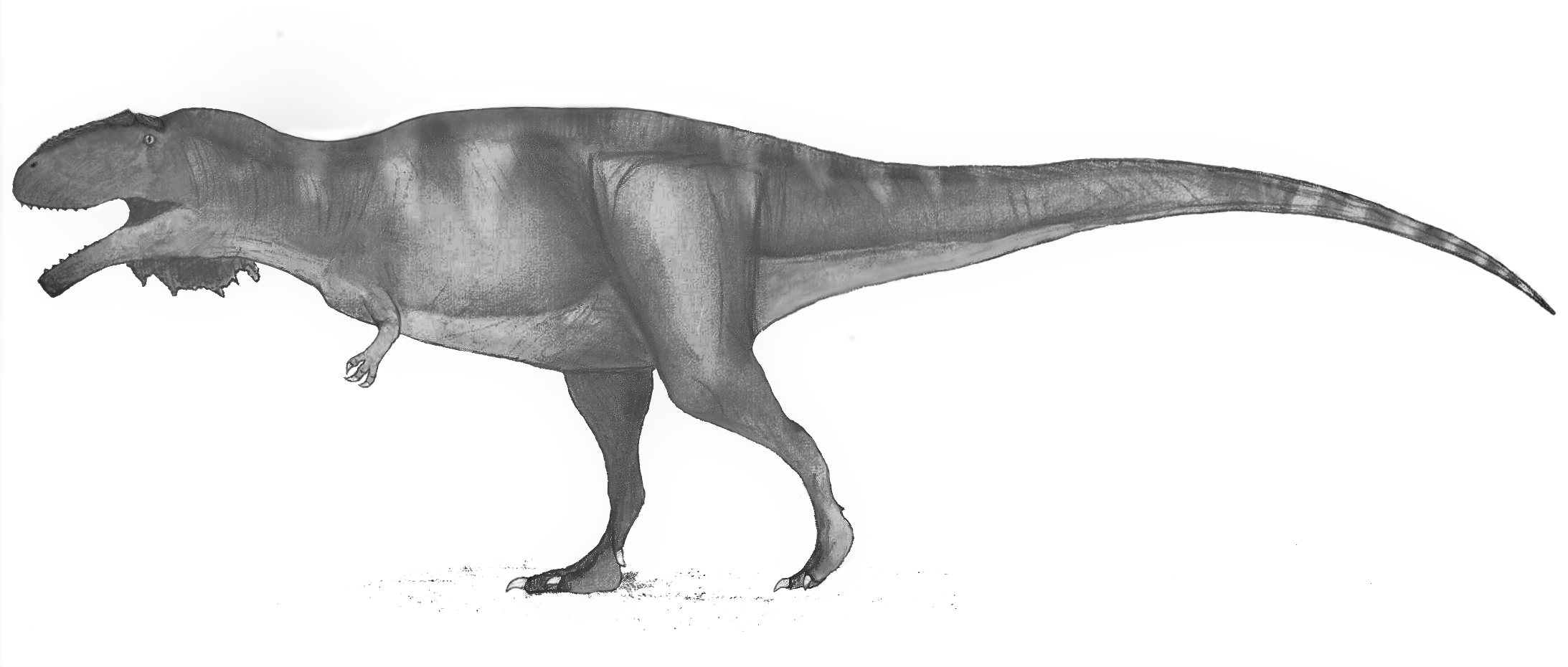
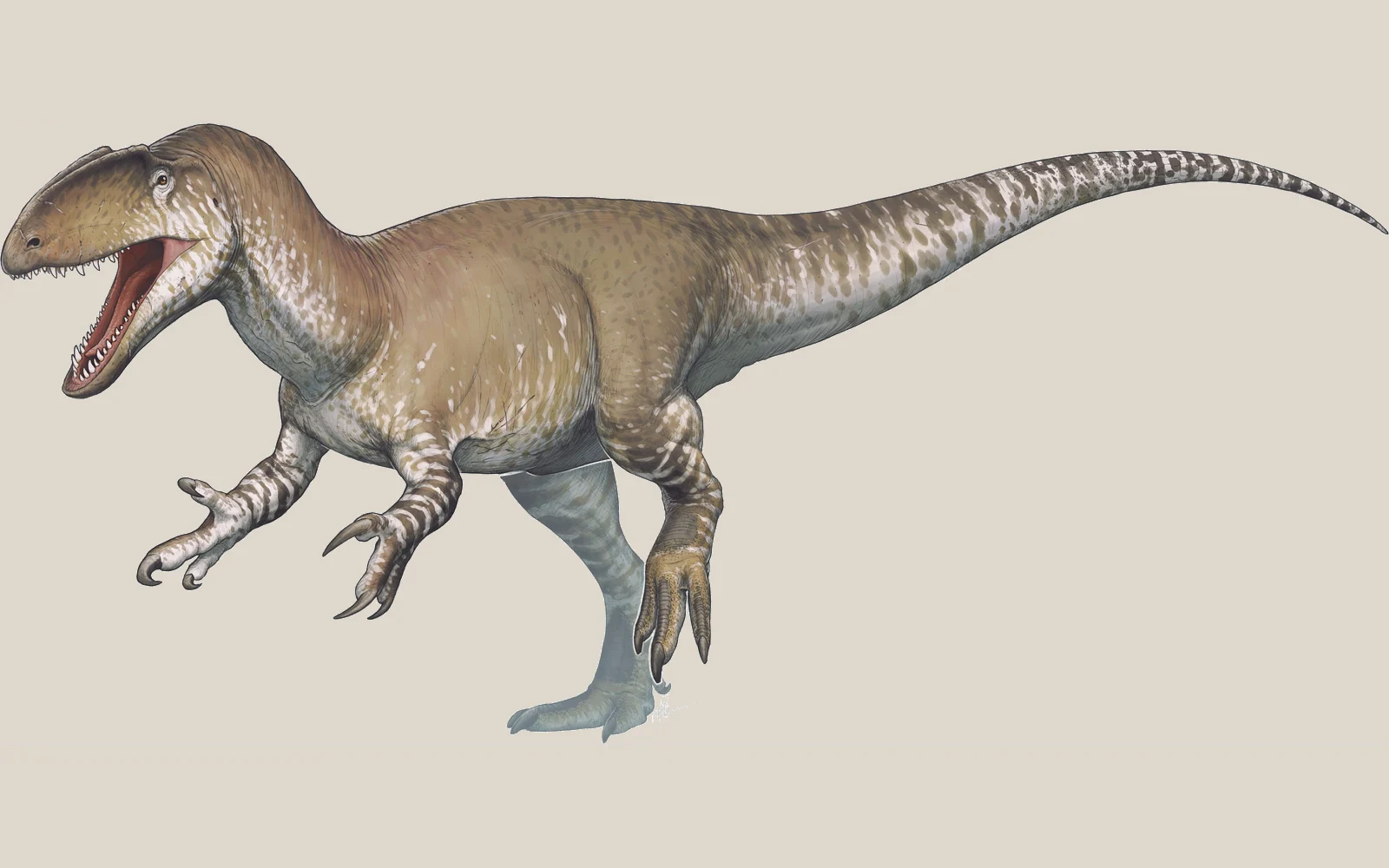
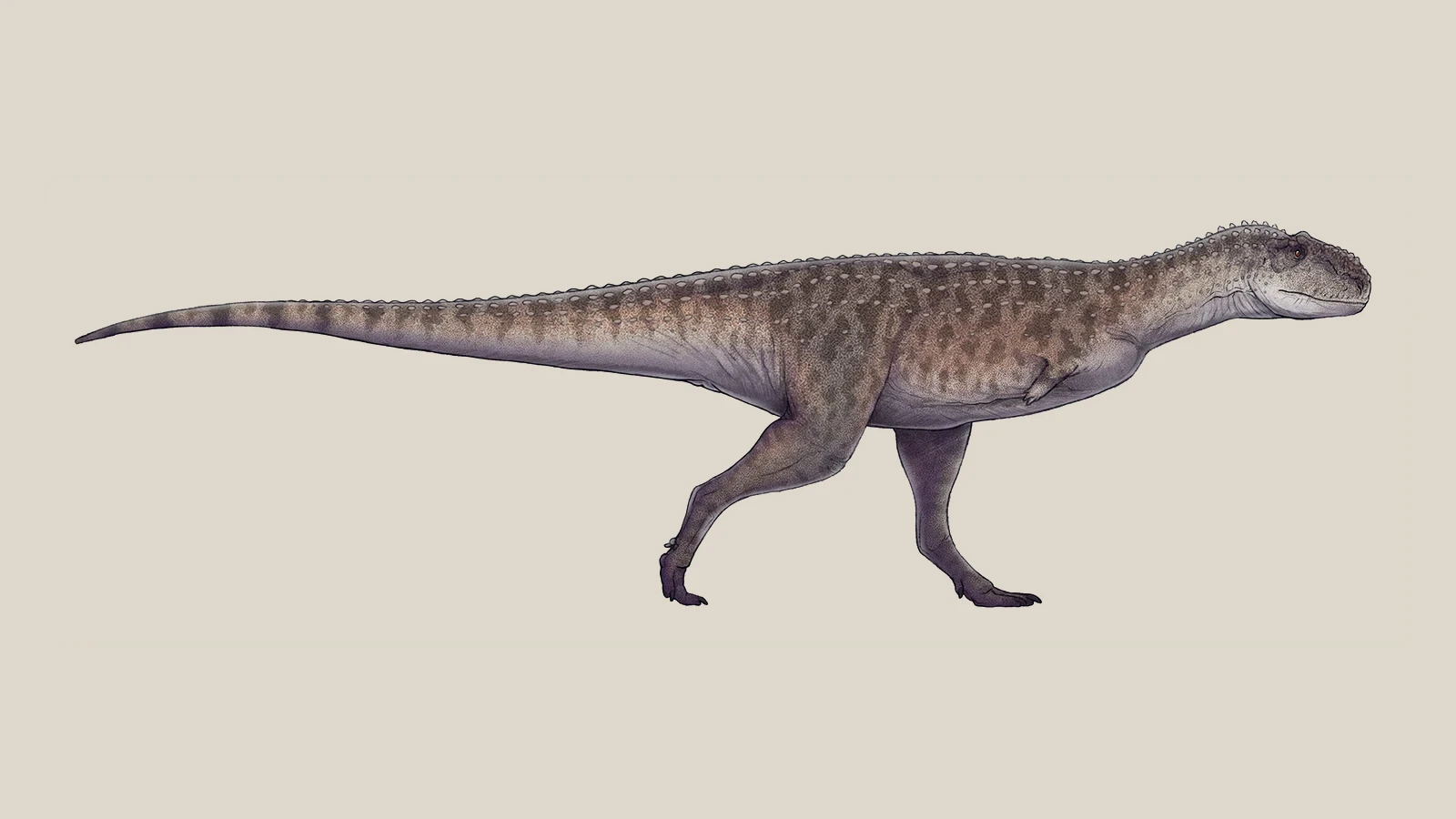
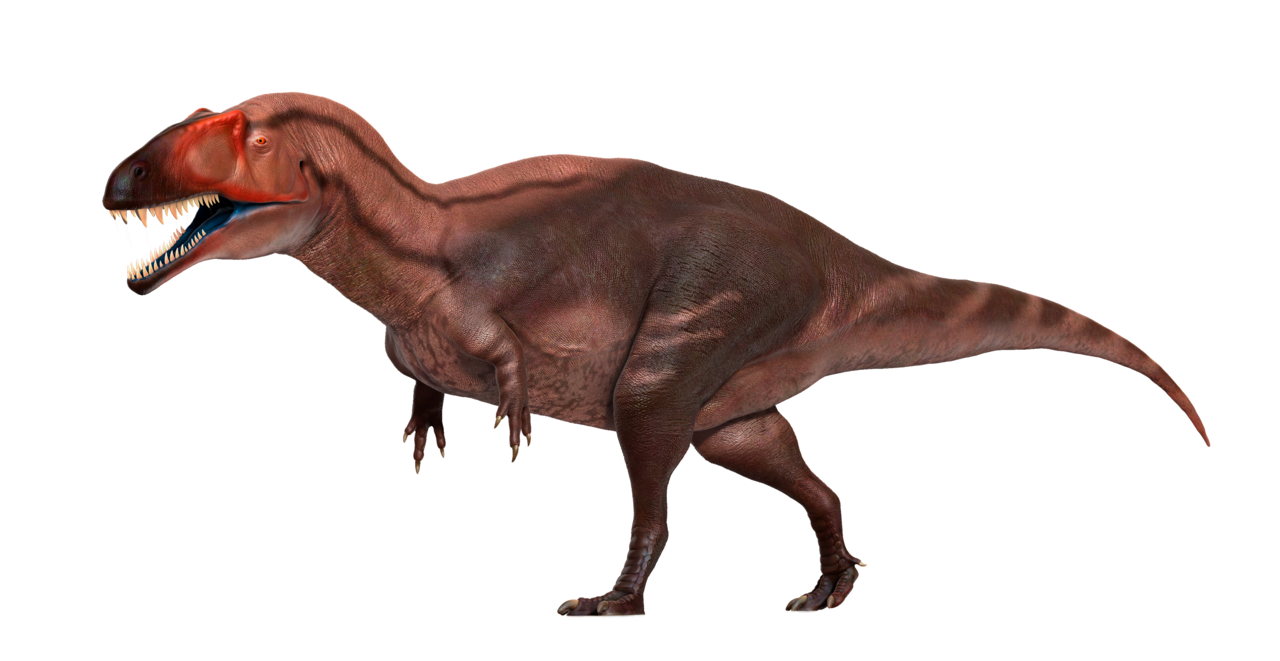
Acrocanthosaurus atokensis

A giant Early Cretaceous predator from Oklahoma and Texas, distinguished by a deep skull, powerful three-fingered arms and a ridge of tall spines along its neck, back and tail.

carnivore~11 m

Cretaceous

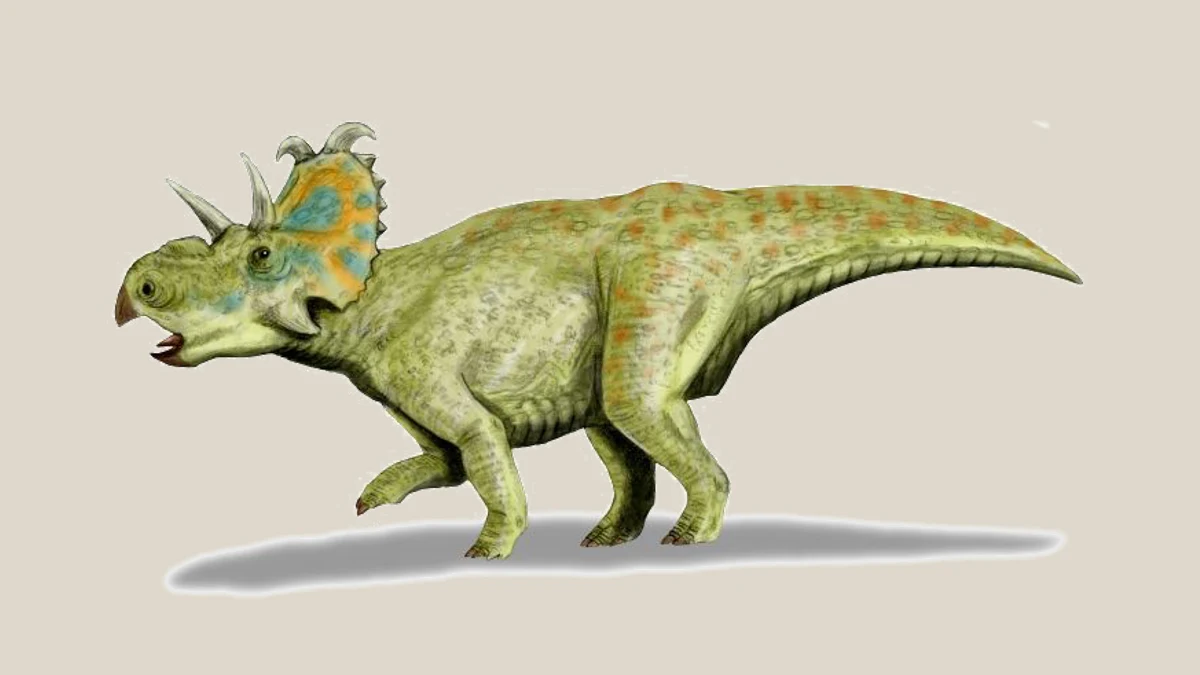
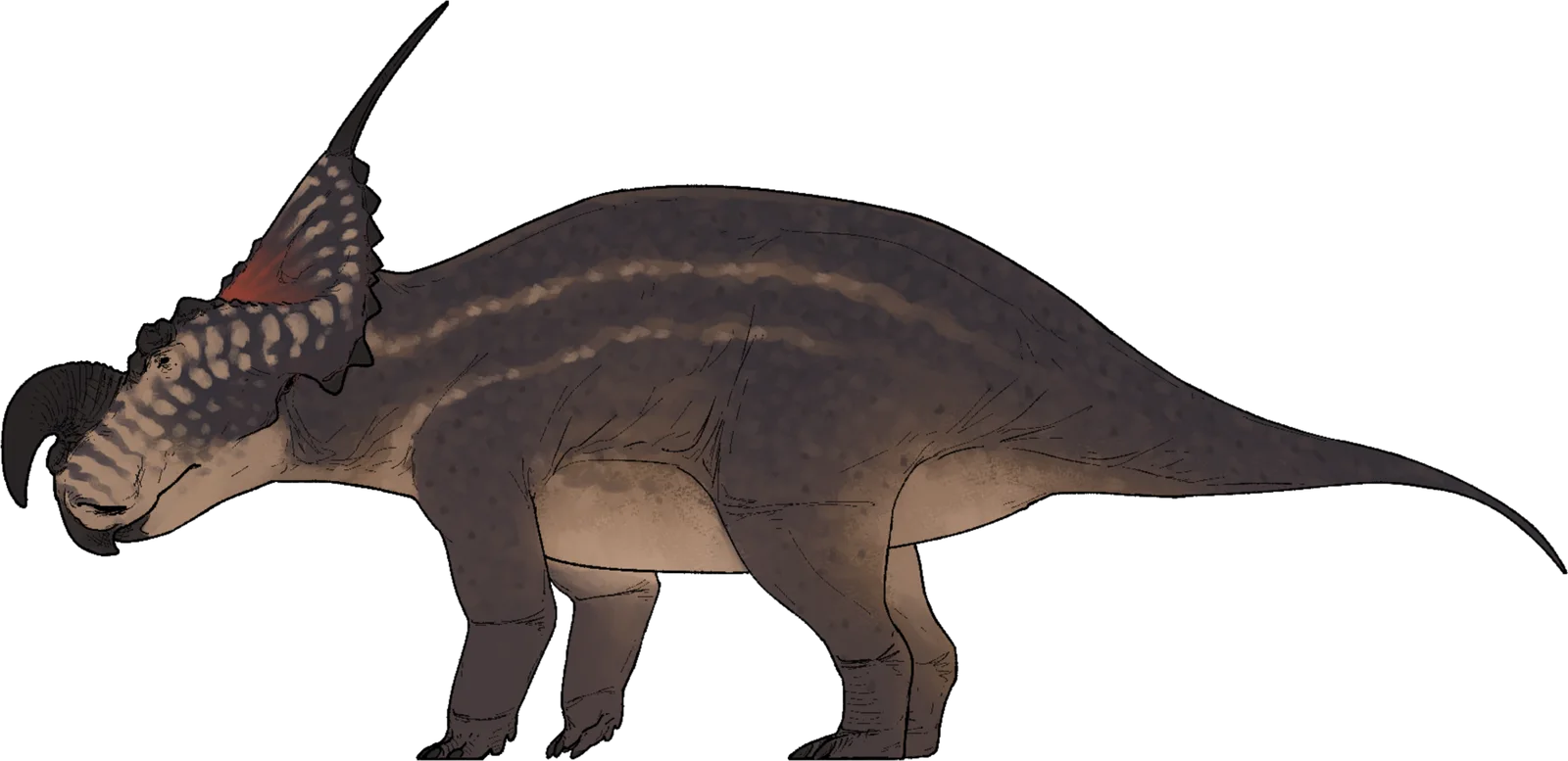
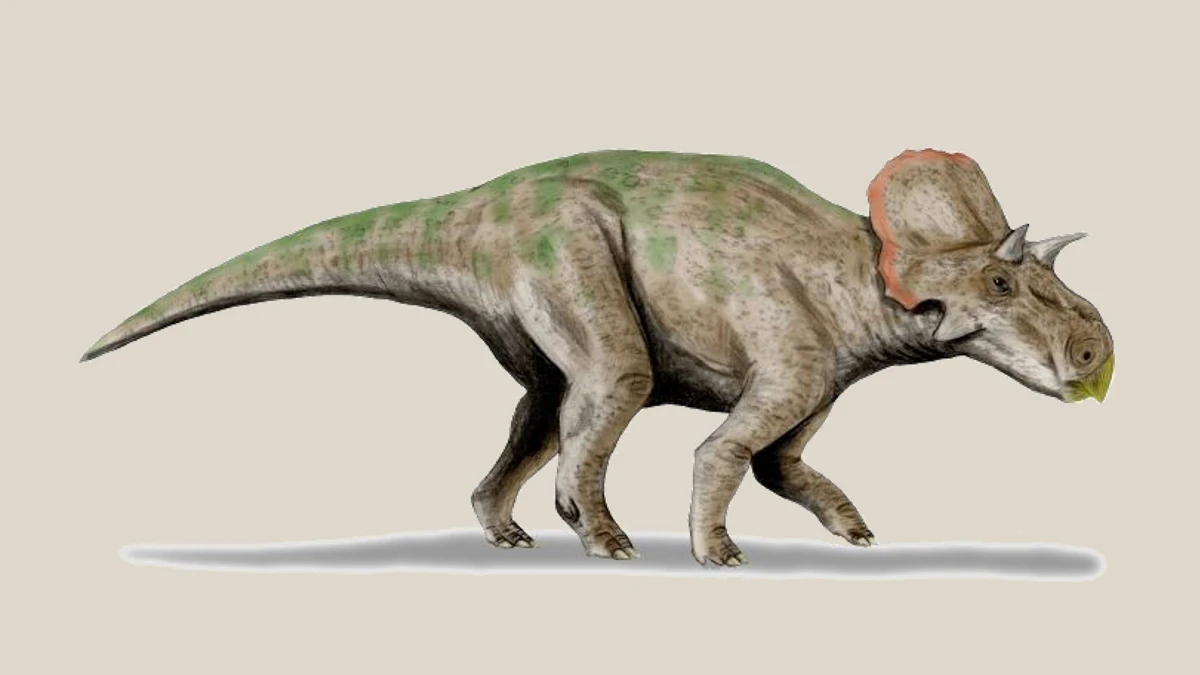
Albertaceratops nesmoi

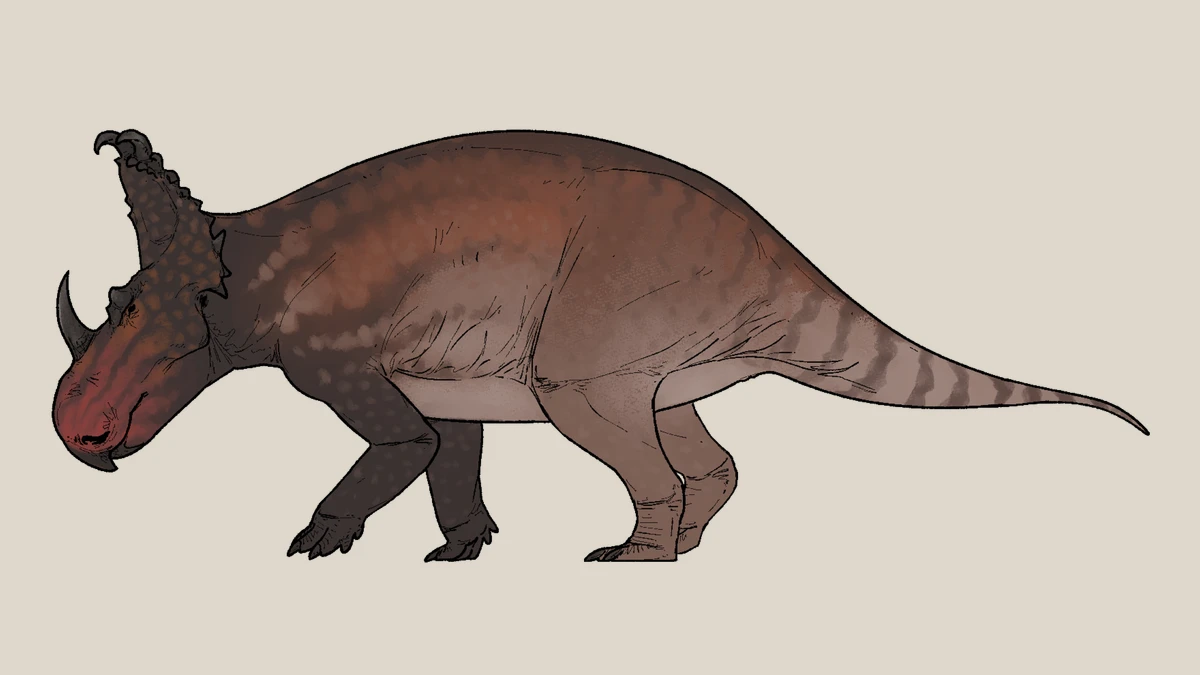
An early centrosaurine from Alberta whose long brow horns contrast with its low nasal ornament and short, hook-edged frill.

herbivore~5.8 m

Cretaceous

Albertosaurus sarcophagus

A lightly built Canadian tyrannosaur known from skulls, skeletons and a remarkable multi-individual bonebed spanning juvenile to adult growth stages.

carnivore~9 m

Jurassic

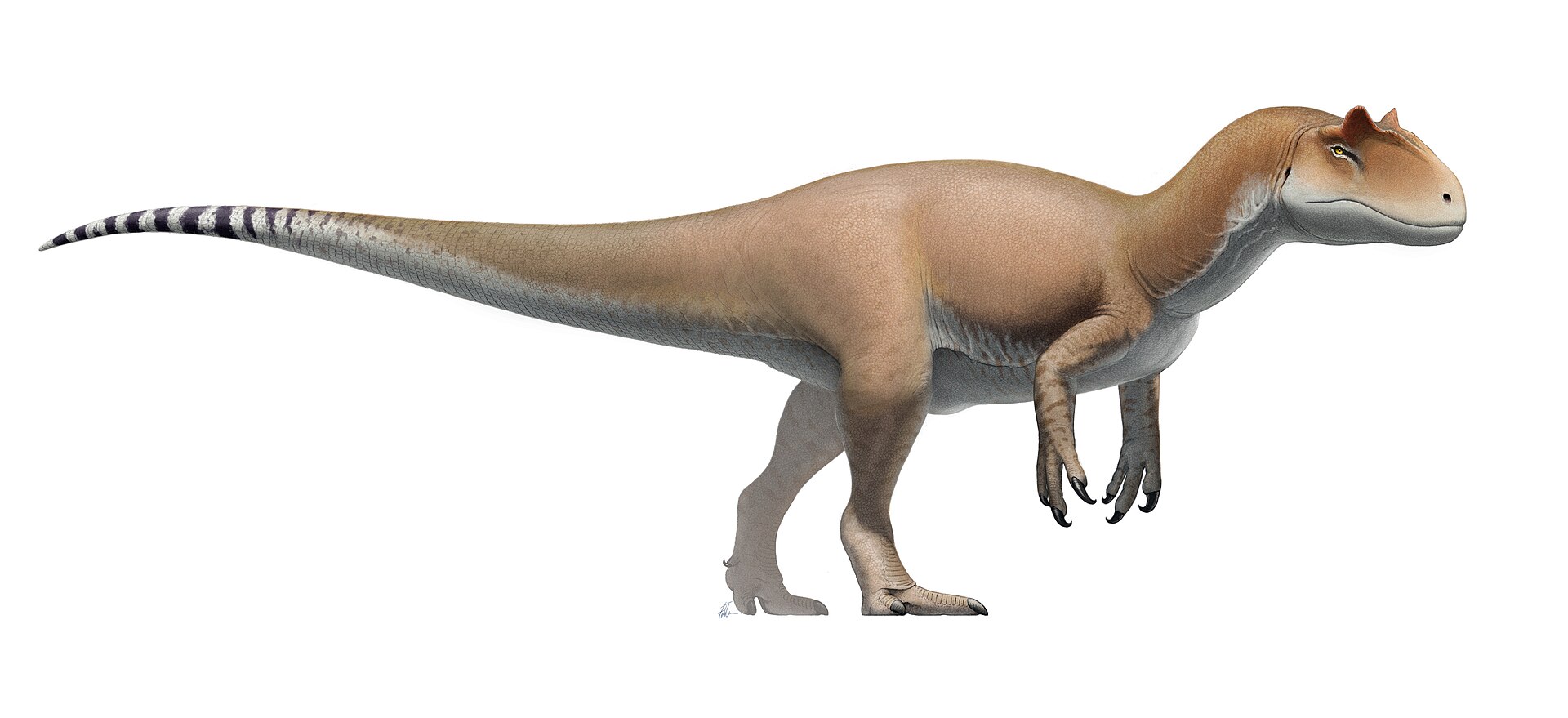
Allosaurus fragilis

A large Morrison Formation predator with paired brow crests, a lightly built skull, serrated teeth and powerful three-fingered forelimbs. Its scientific identity was stabilised with a new type specimen in 2023.

carnivore~9 m

Cretaceous

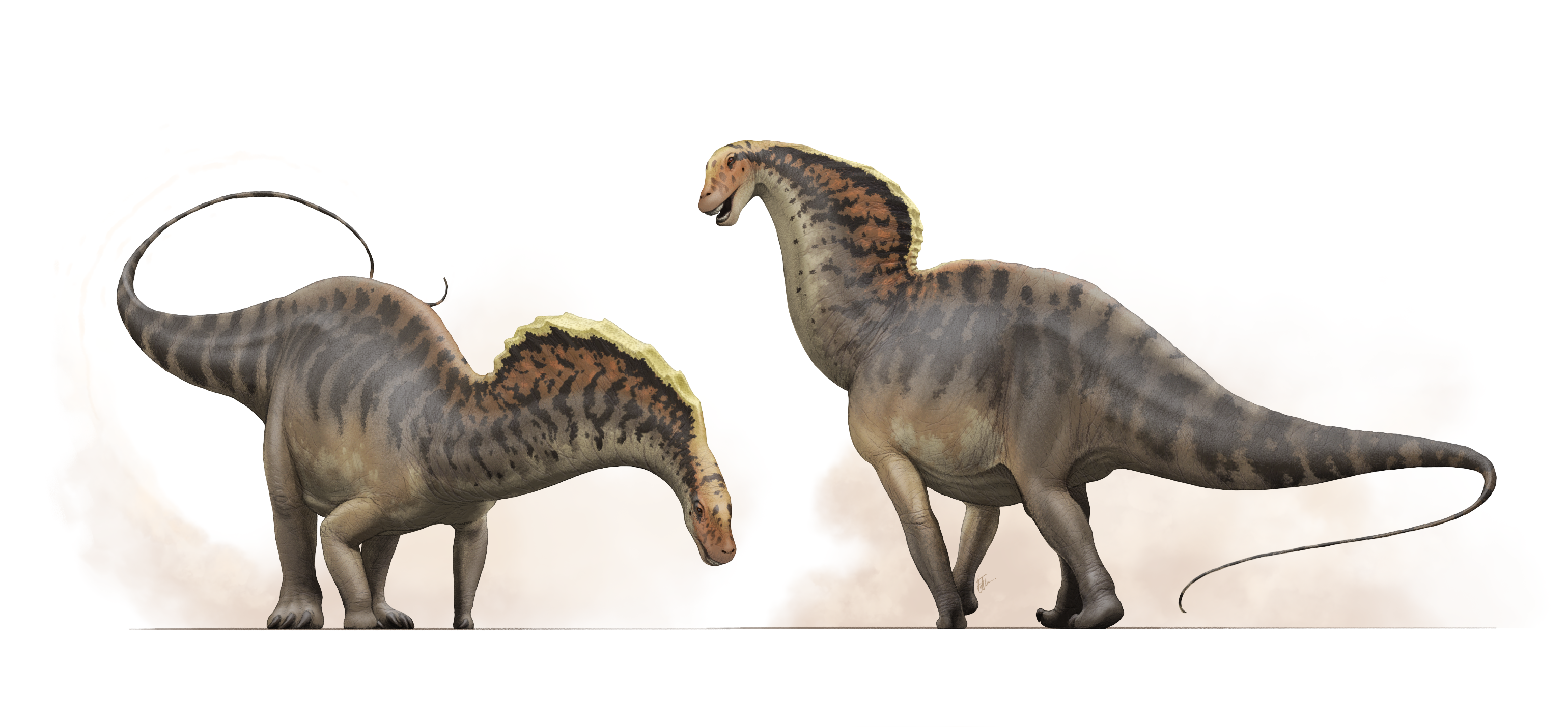
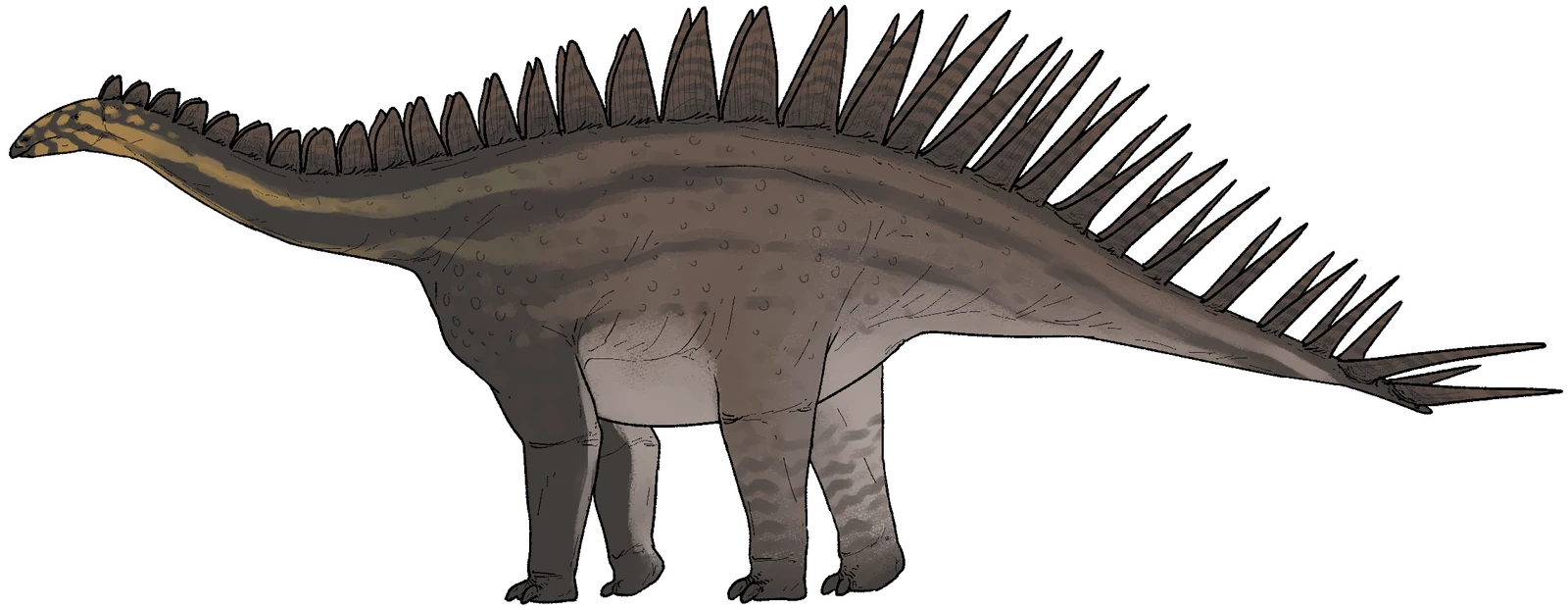
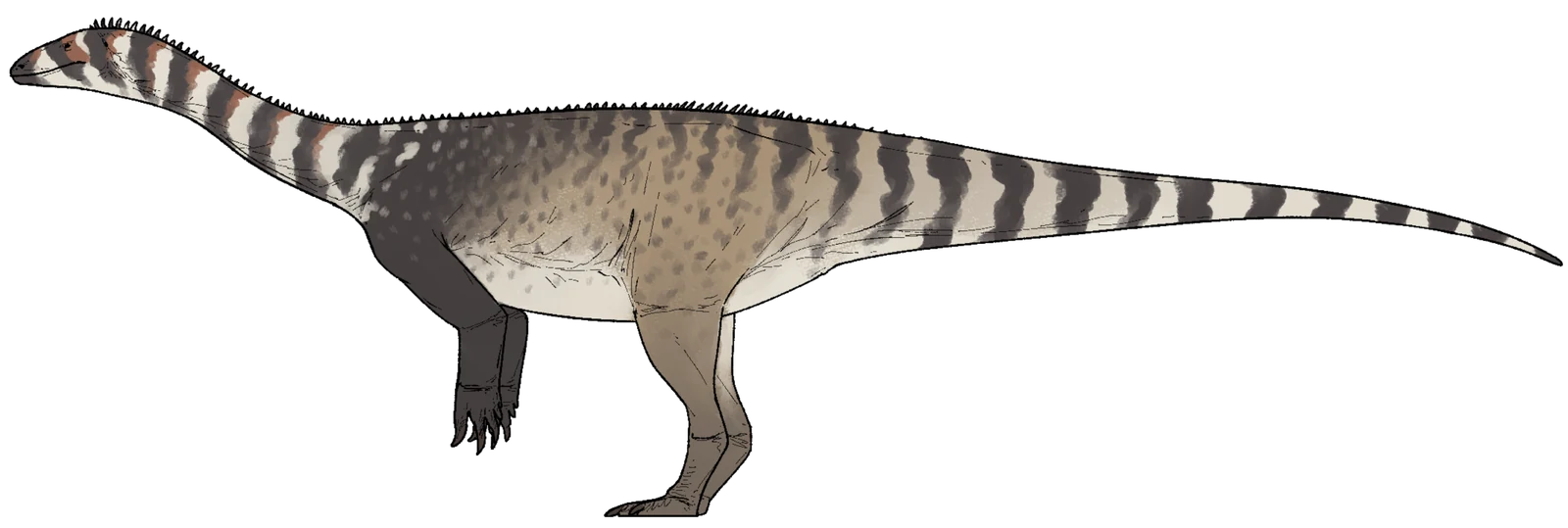
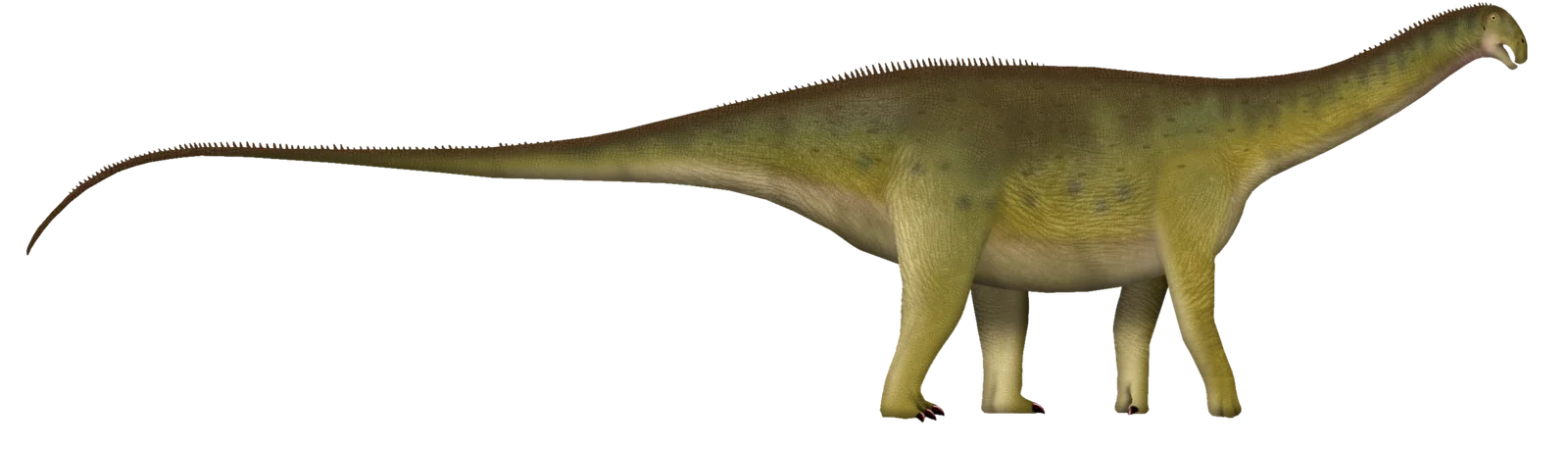
Amargasaurus cazaui

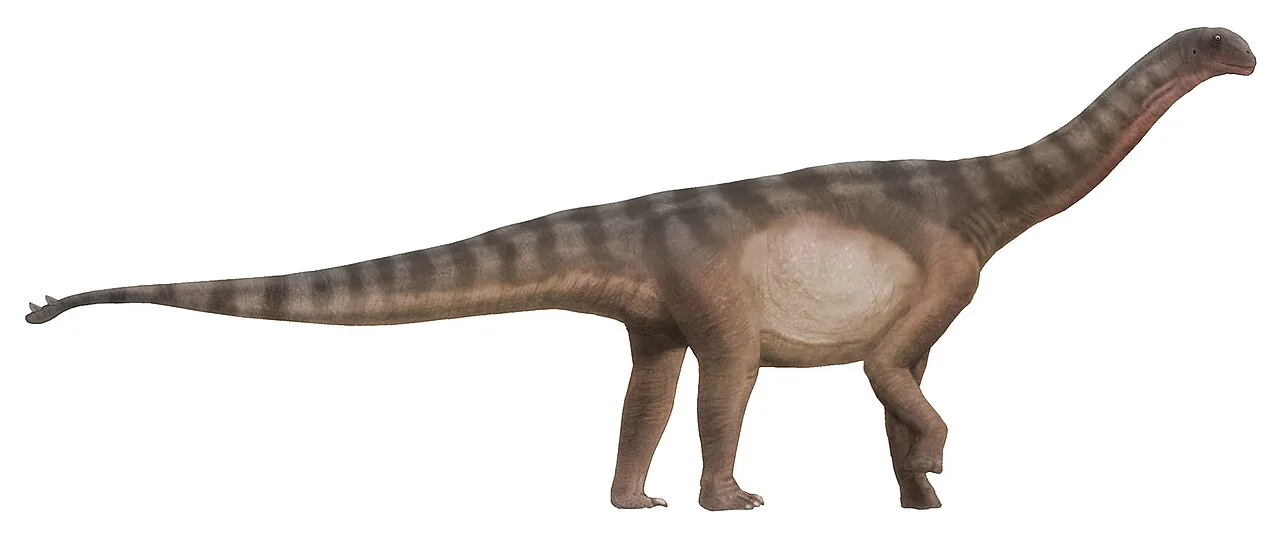
A small, short-necked Patagonian sauropod whose paired cervical neural spines formed one of the most extraordinary silhouettes in dinosaur evolution.

herbivore~9 m

Cretaceous

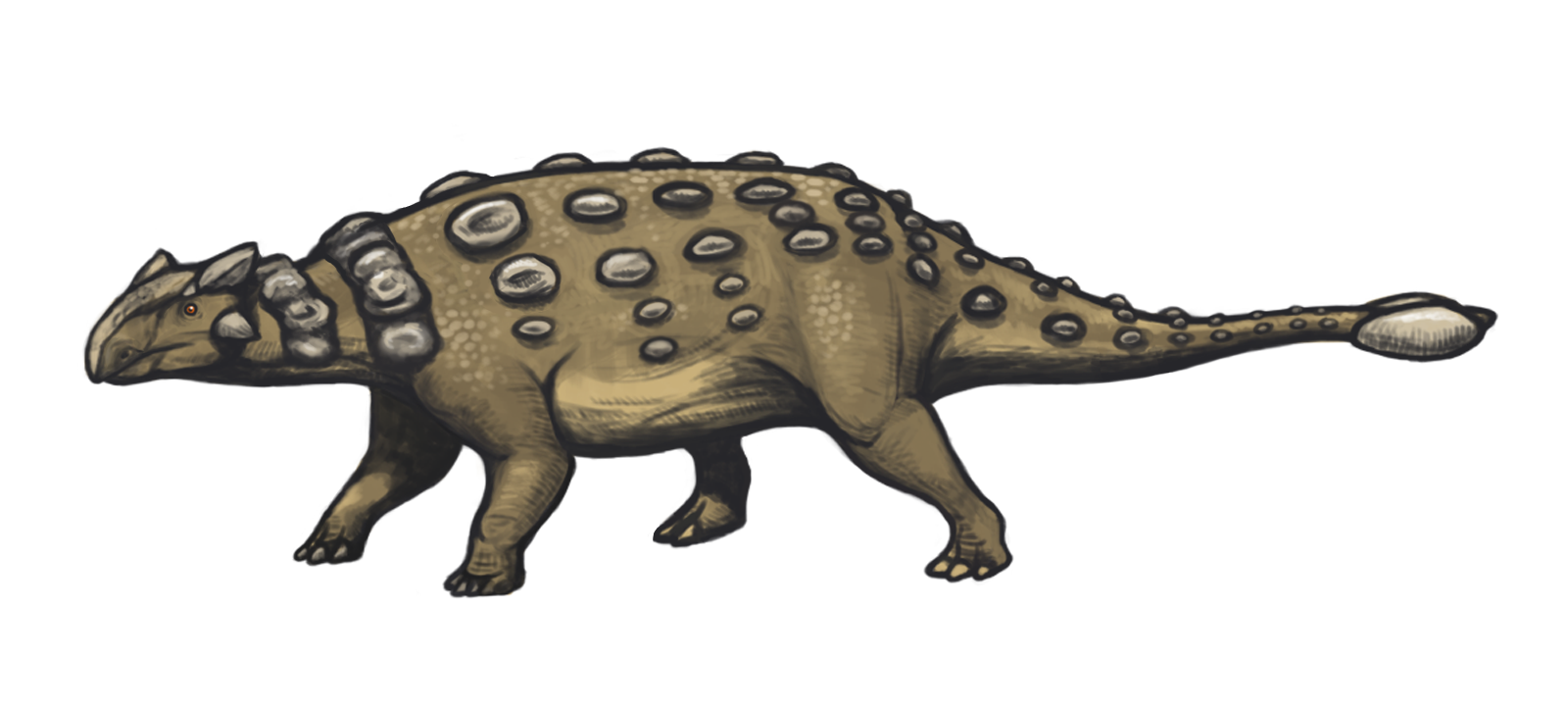
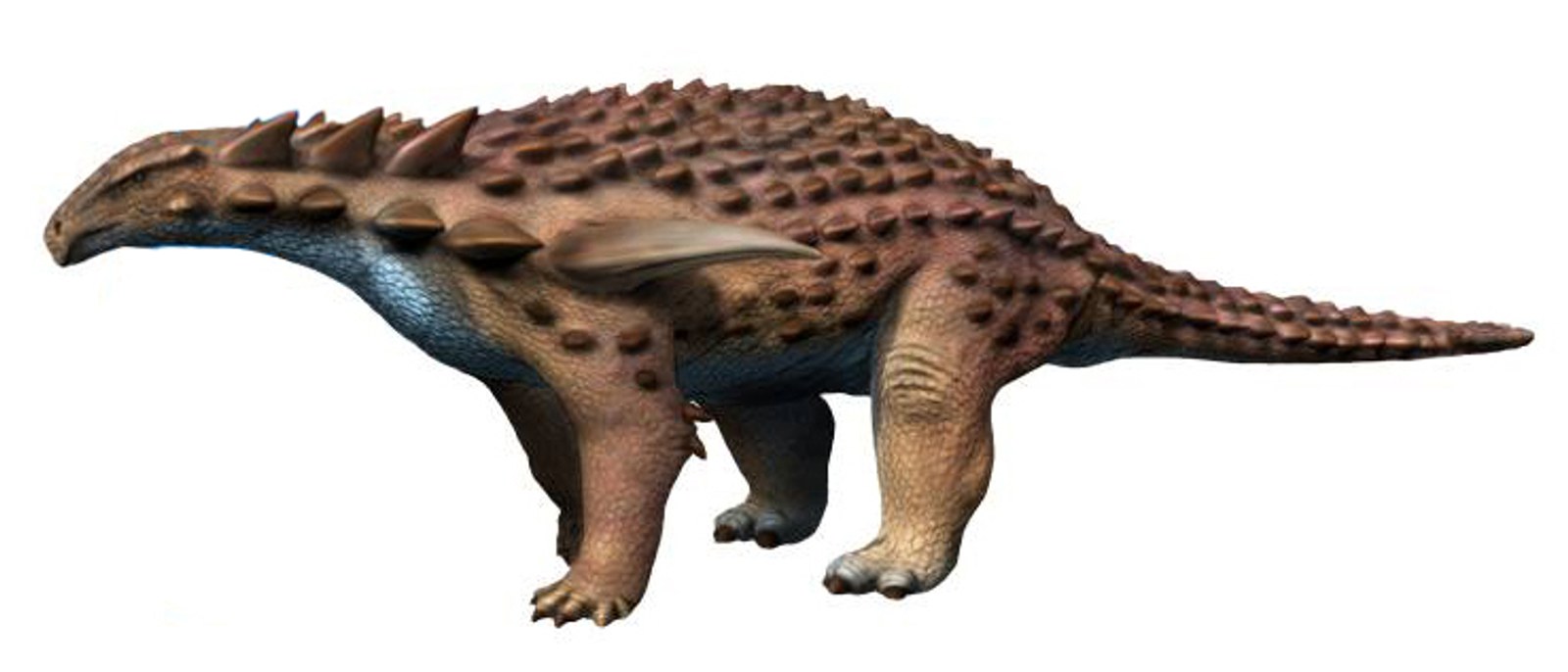
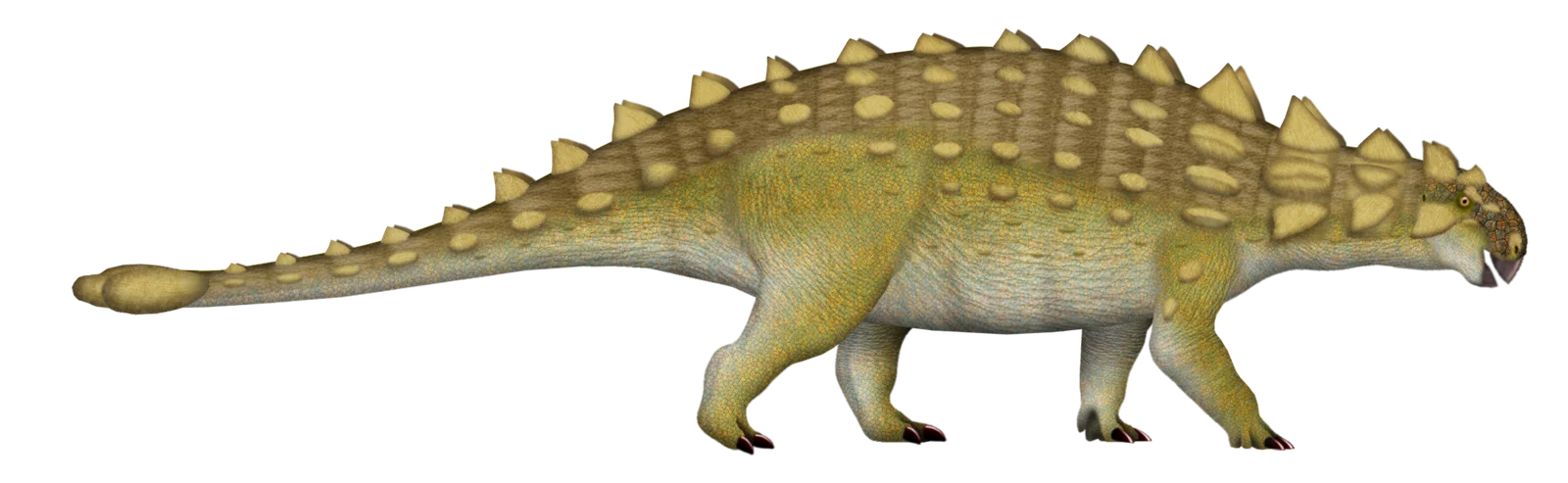
Ankylosaurus magniventris

A huge, broad-bodied ankylosaurid from the final two million years of the Cretaceous, protected by bony armour and armed with a stiff-handled tail club. Despite its fame, no complete skeleton is known.

herbivore~7.5 m

Jurassic

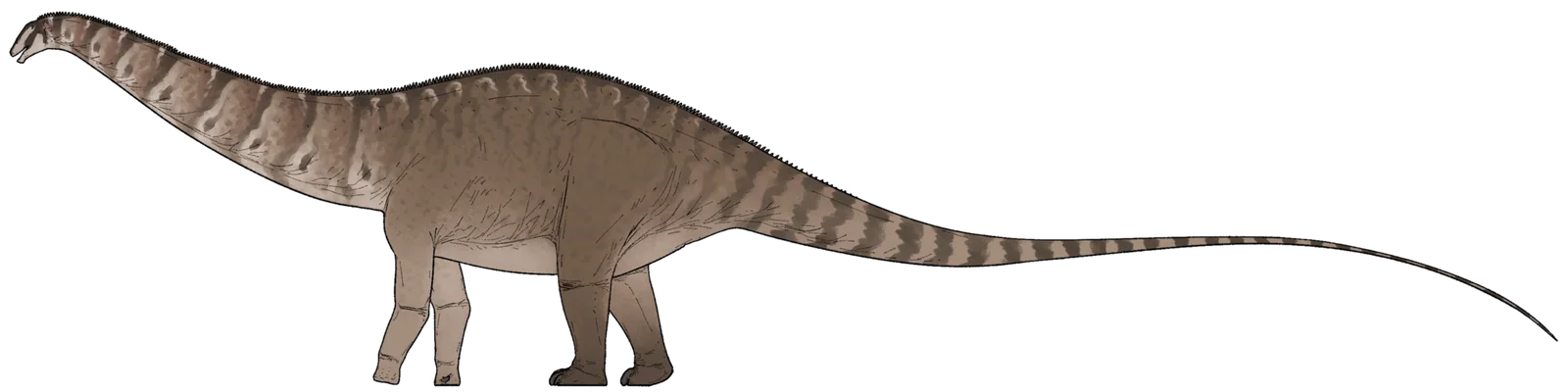
Apatosaurus louisae

A powerfully built Late Jurassic diplodocid known from the nearly complete Carnegie Quarry skeleton CM 3018, with an exceptionally thick neck, stout limbs and a long tapering tail.

herbivore~22 m

Jurassic

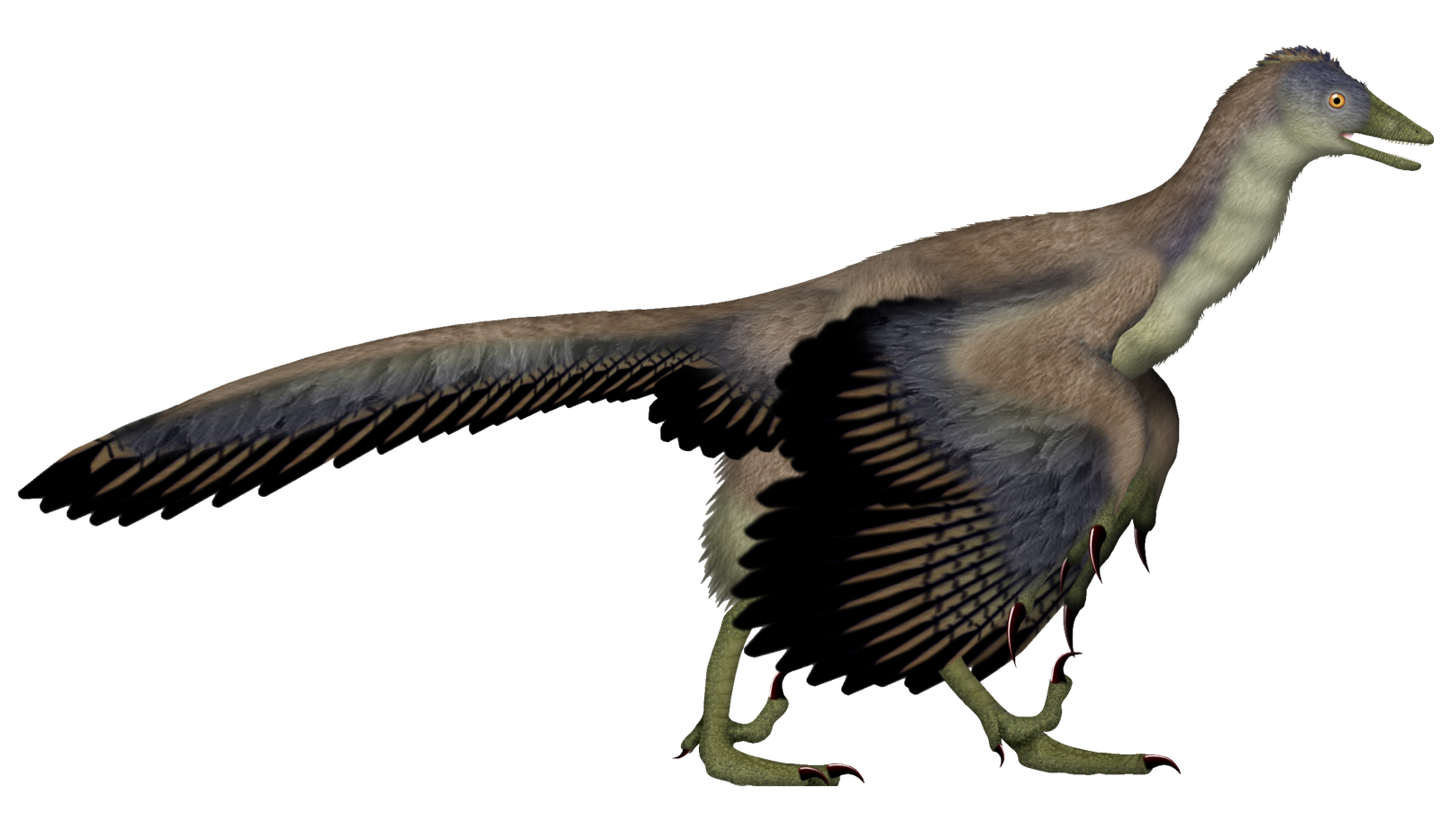
Archaeopteryx lithographica

A crow-sized feathered avialan from Bavaria's Late Jurassic lagoon deposits, combining flight feathers and wings with teeth, clawed fingers and a long bony tail. Often called the 'first bird', it is better understood as one of several close relatives near the origin of birds.
carnivore~0.5 m

Cretaceous

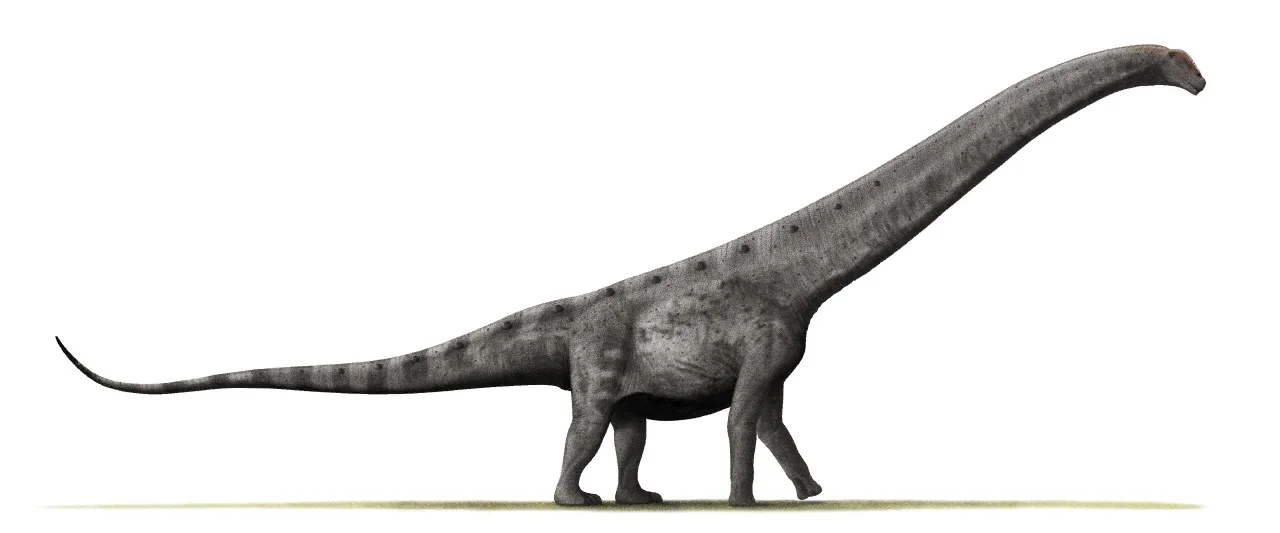
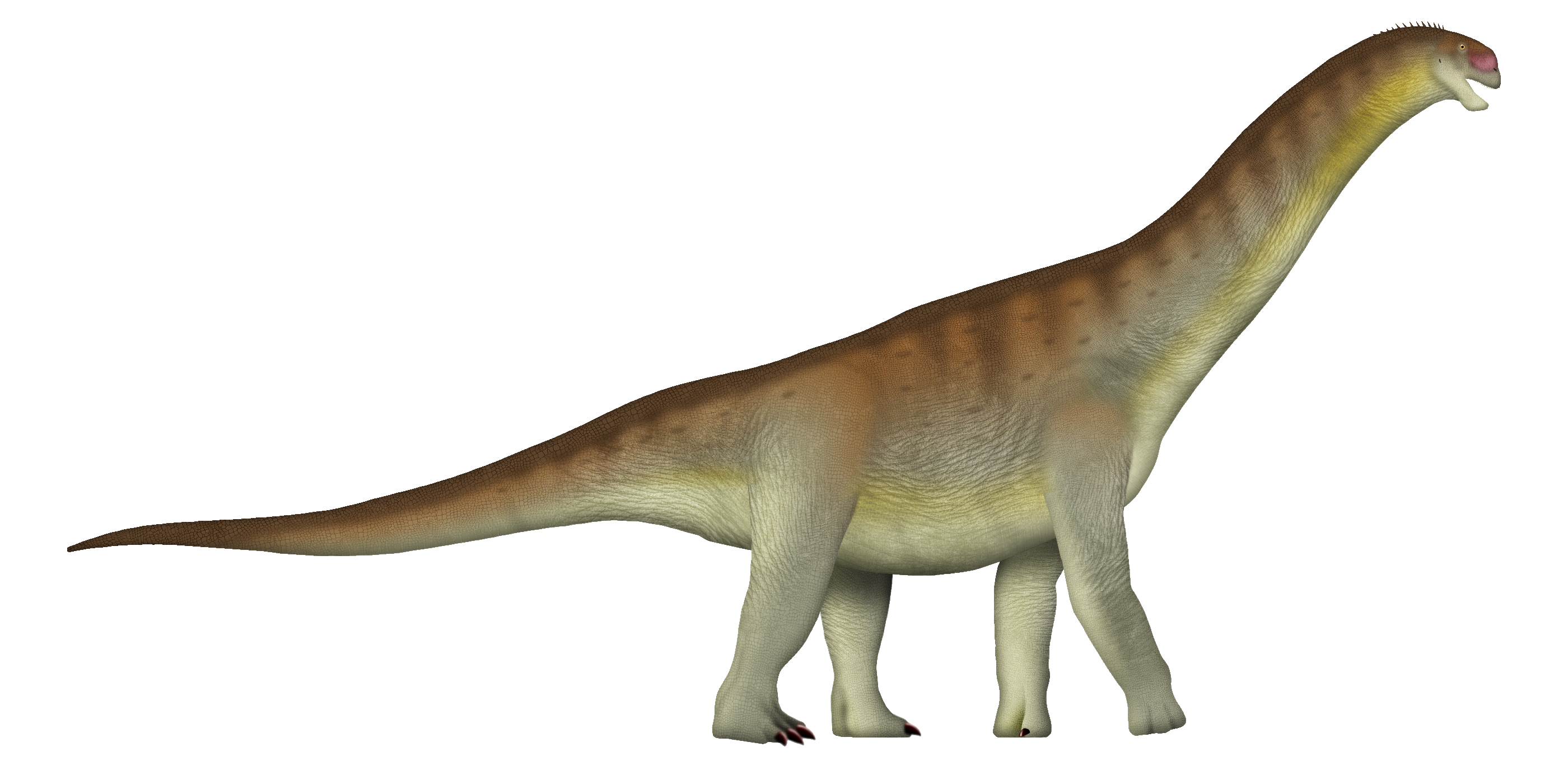
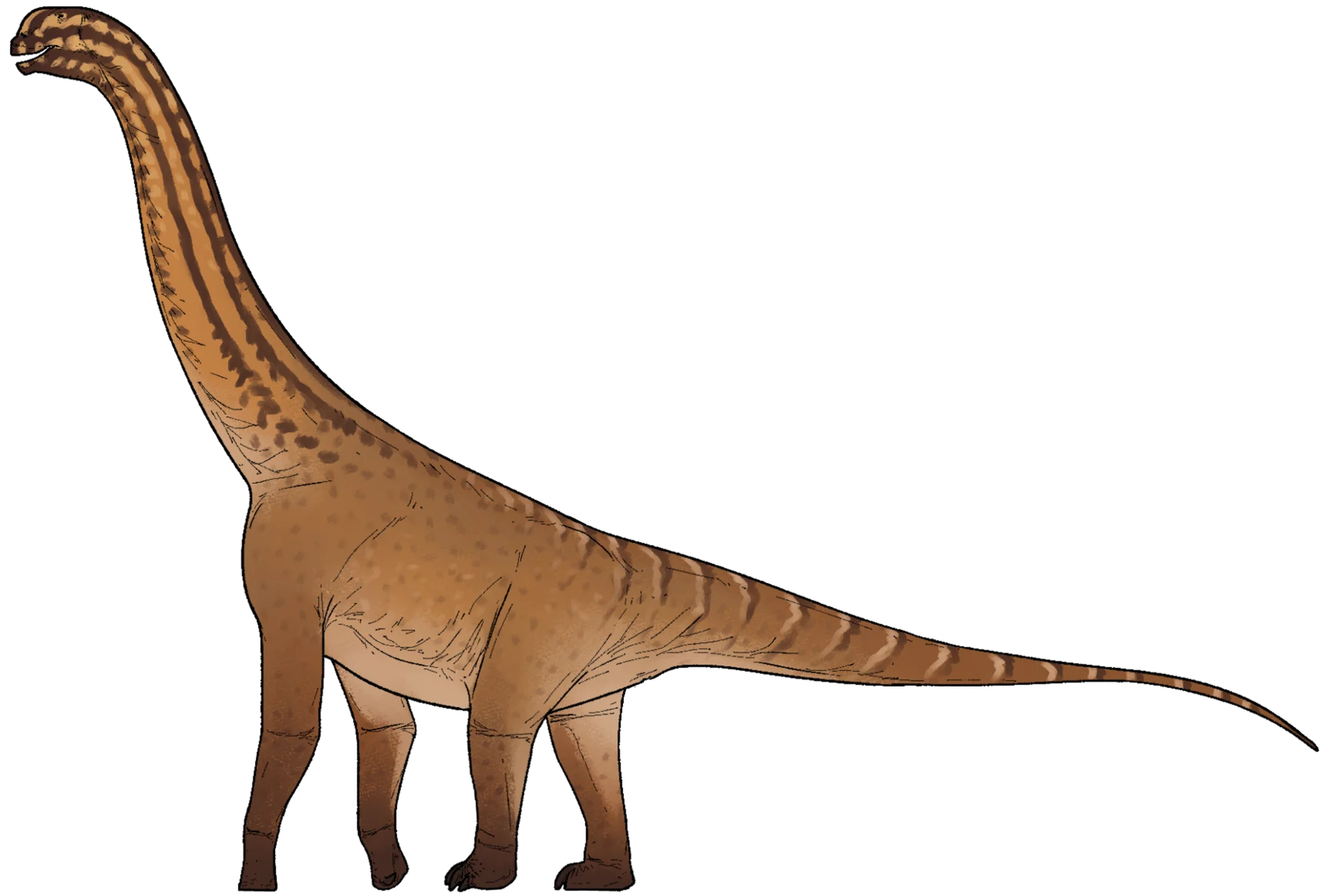
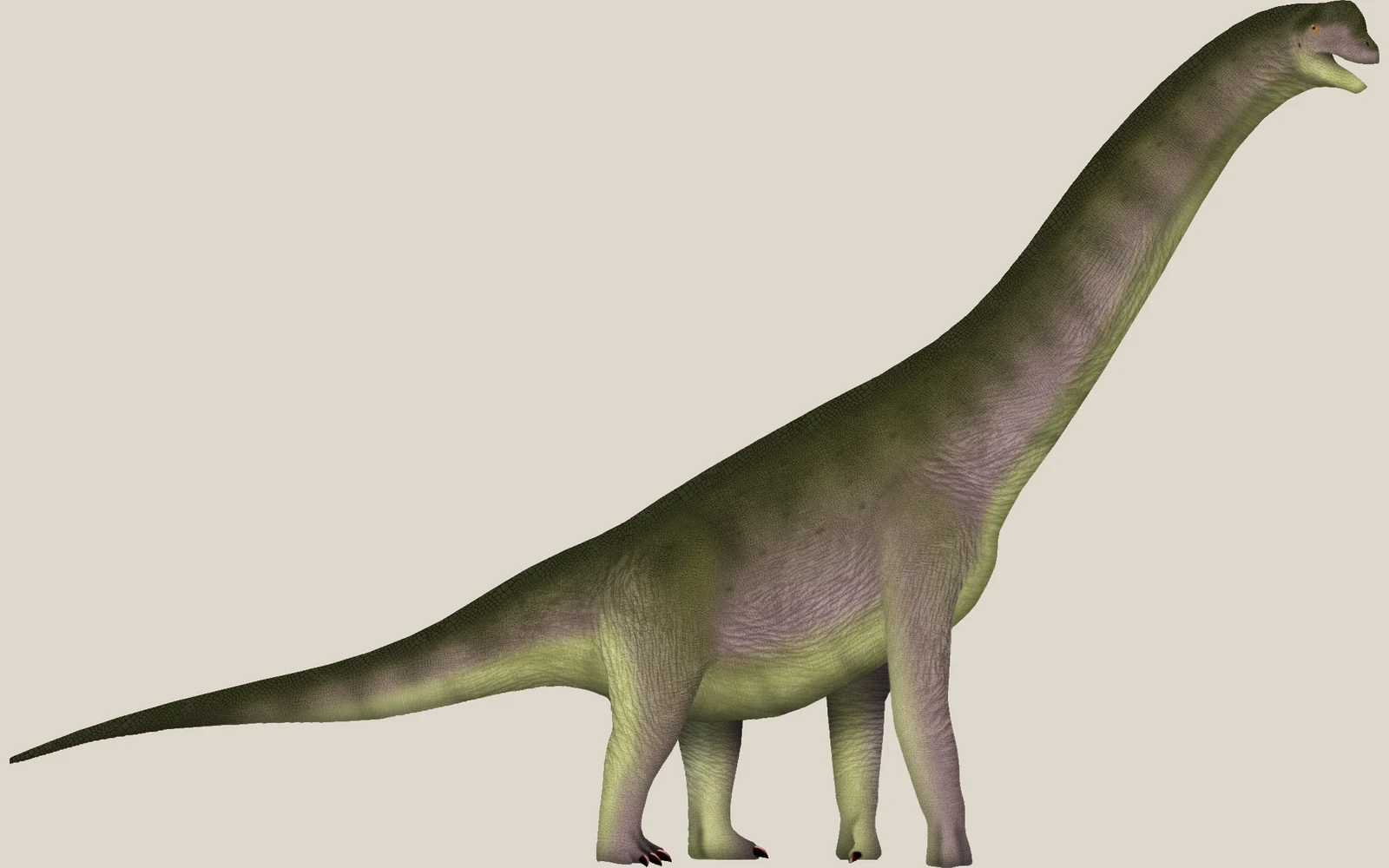
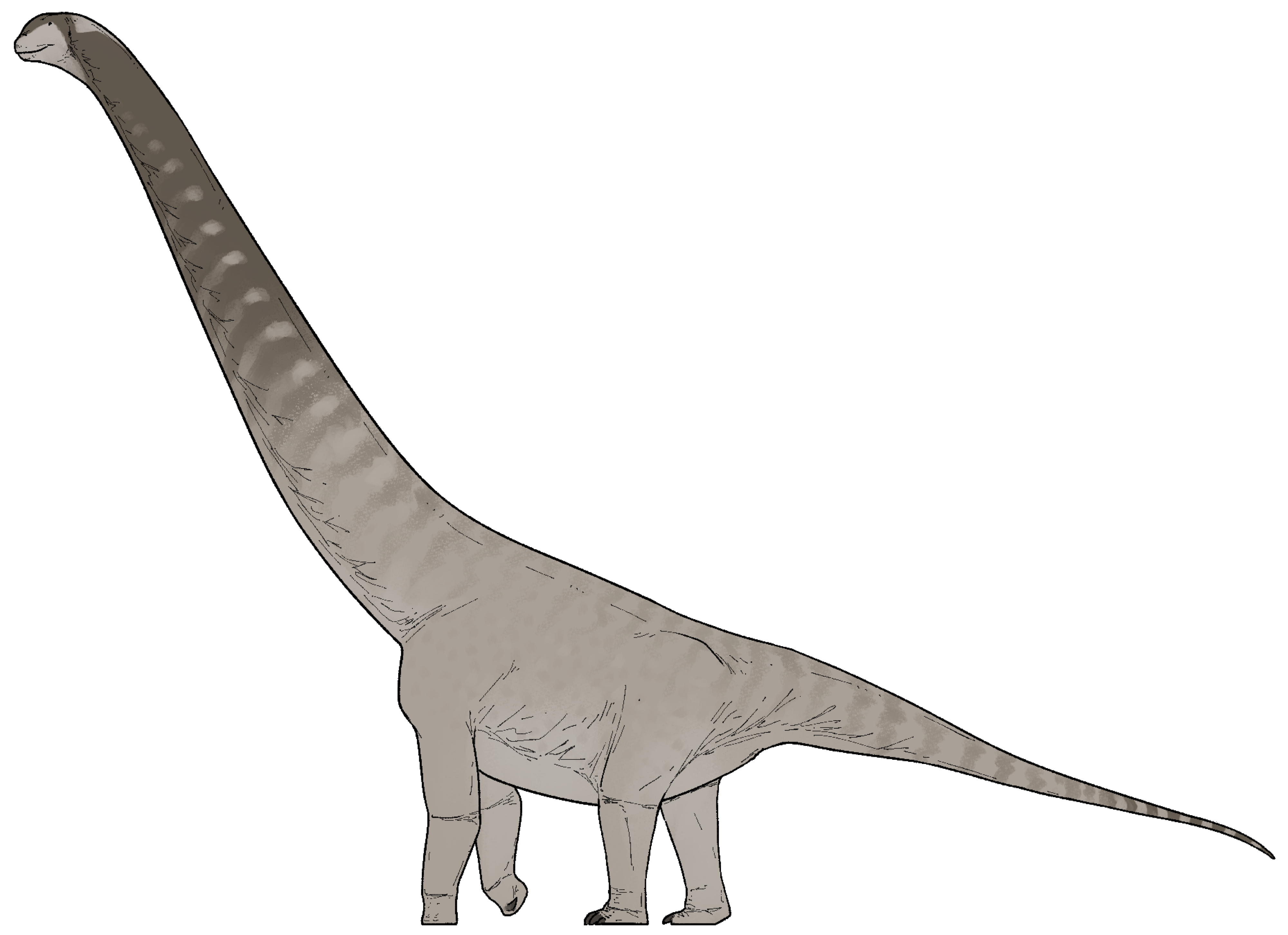
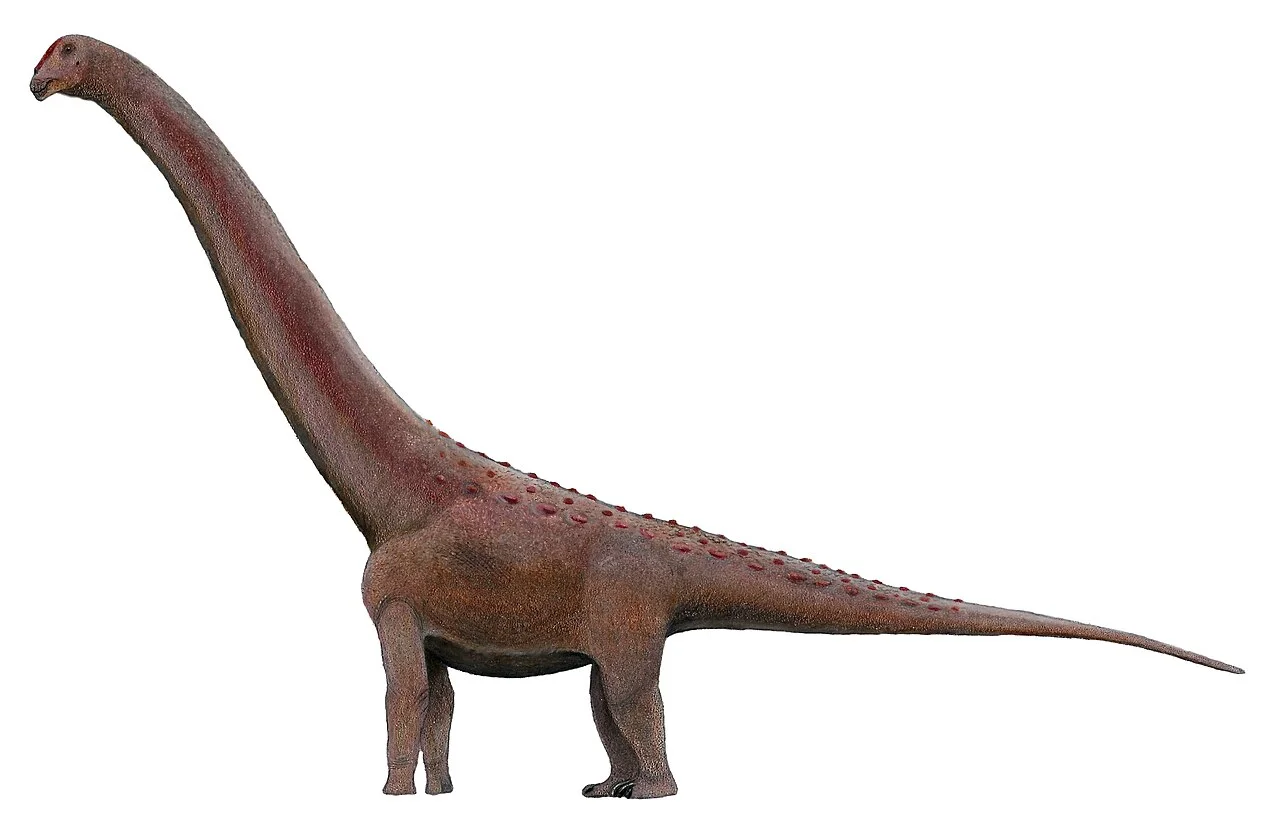
Argentinosaurus huinculensis

An immense but very incompletely known titanosaur from Argentina's Huincul Formation. Its enormous back vertebrae and partial sacrum establish gigantic size, while most familiar full-body proportions remain reconstructed from relatives.

herbivore~33 m

Cretaceous

Austroraptor cabazai

One of the largest known unenlagiine raptors, distinguished by a long, low skull, conical teeth and unusually short forelimbs.

carnivore~5.5 m

Jurassic

Barosaurus lentus

A rare, exceptionally long-necked diplodocid from the Late Jurassic Morrison Formation, best known from spectacular museum skeletons assembled from partial remains.

herbivore~26 m

Cretaceous

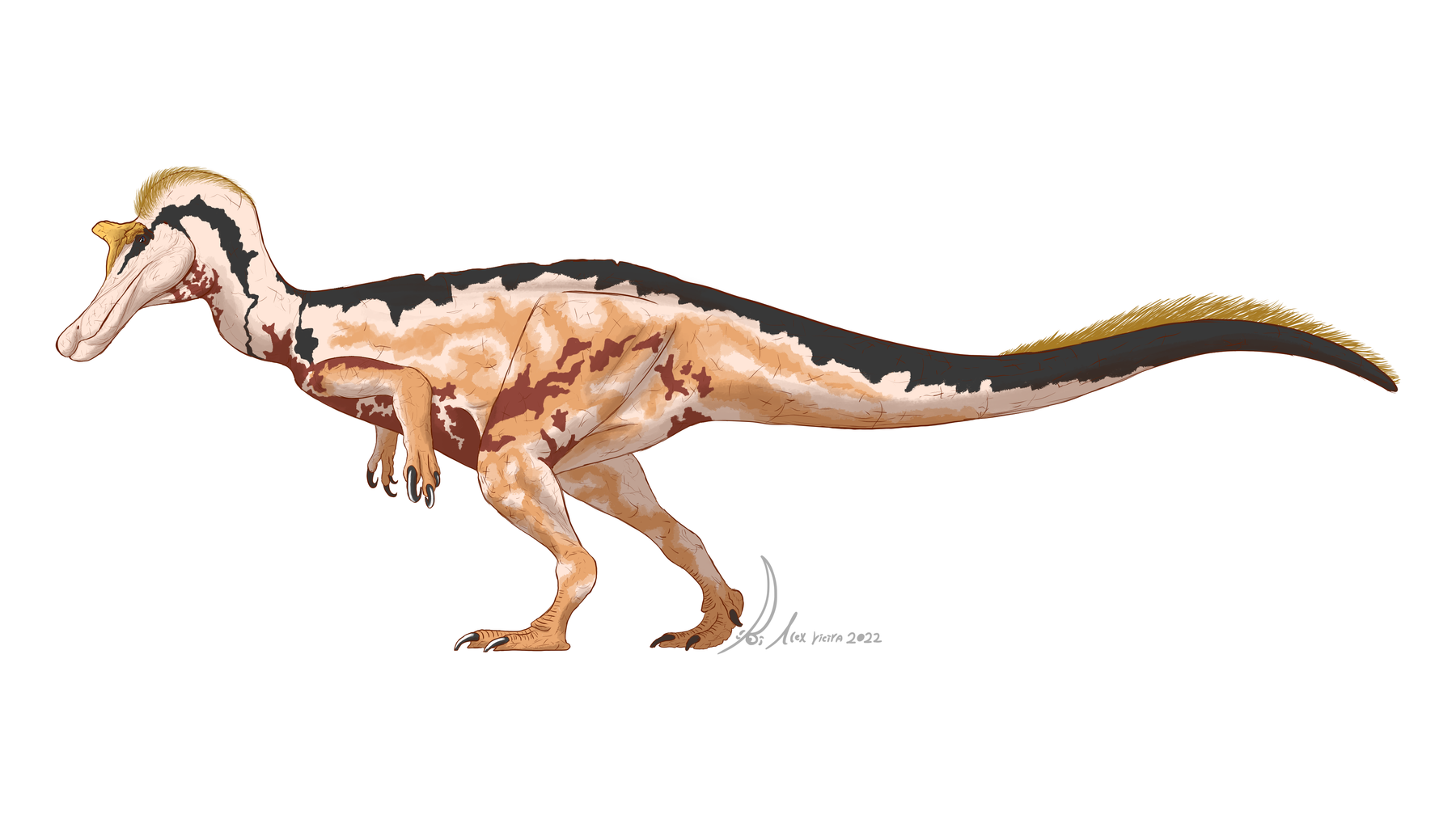
Baryonyx walkeri

An Early Cretaceous spinosaurid from southern England with a long, low snout, conical teeth and an enormous thumb claw. Its partial skeleton preserves rare direct evidence of a mixed diet that included fish and an iguanodontian dinosaur.

carnivore~8.5 m

Cretaceous

Borealopelta markmitchelli

The best-preserved armored dinosaur known, retaining its body outline, skin, armor, horn sheaths, stomach contents and evidence of colour.

herbivore~5.5 m

Jurassic

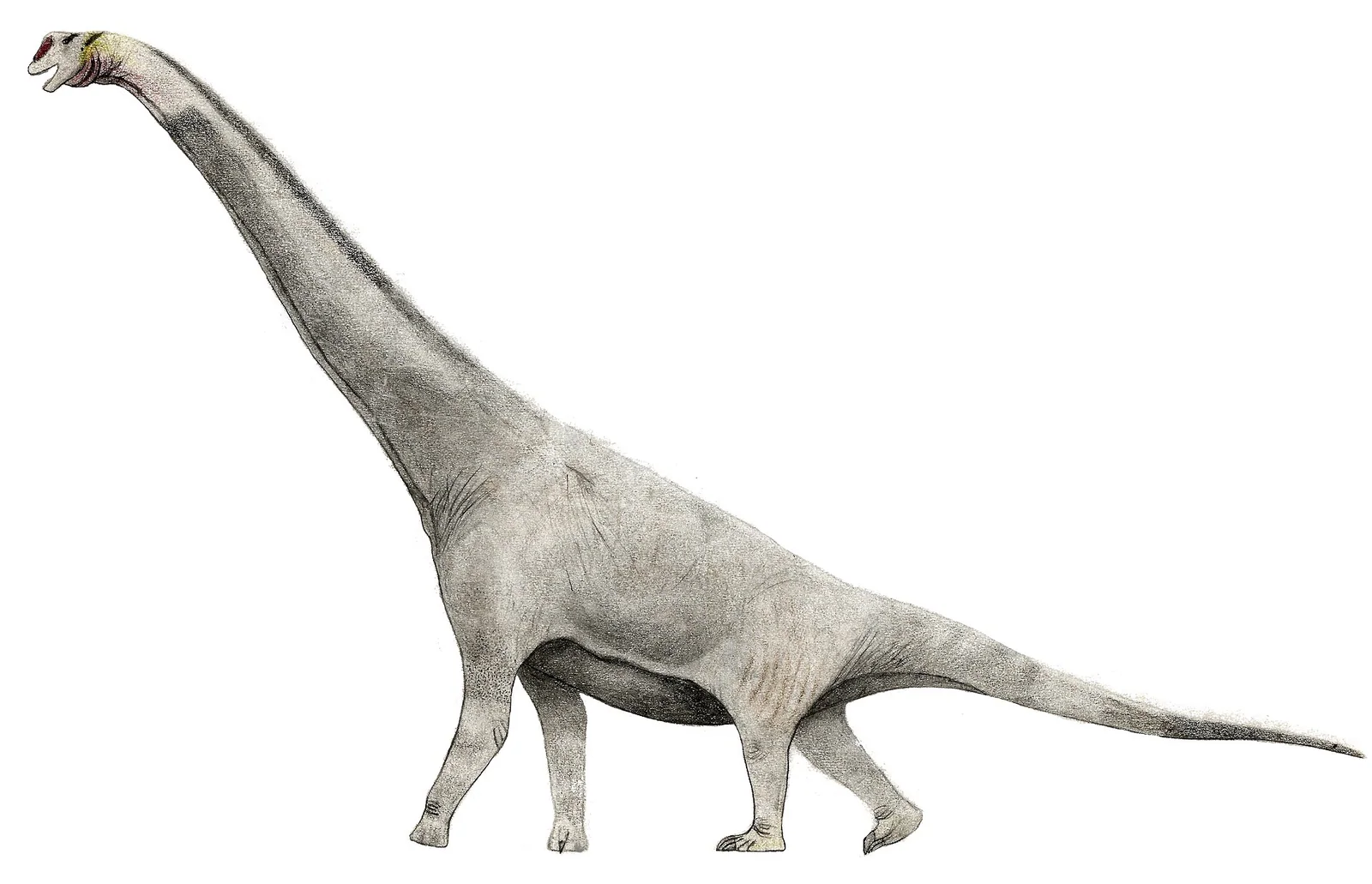
Brachiosaurus altithorax

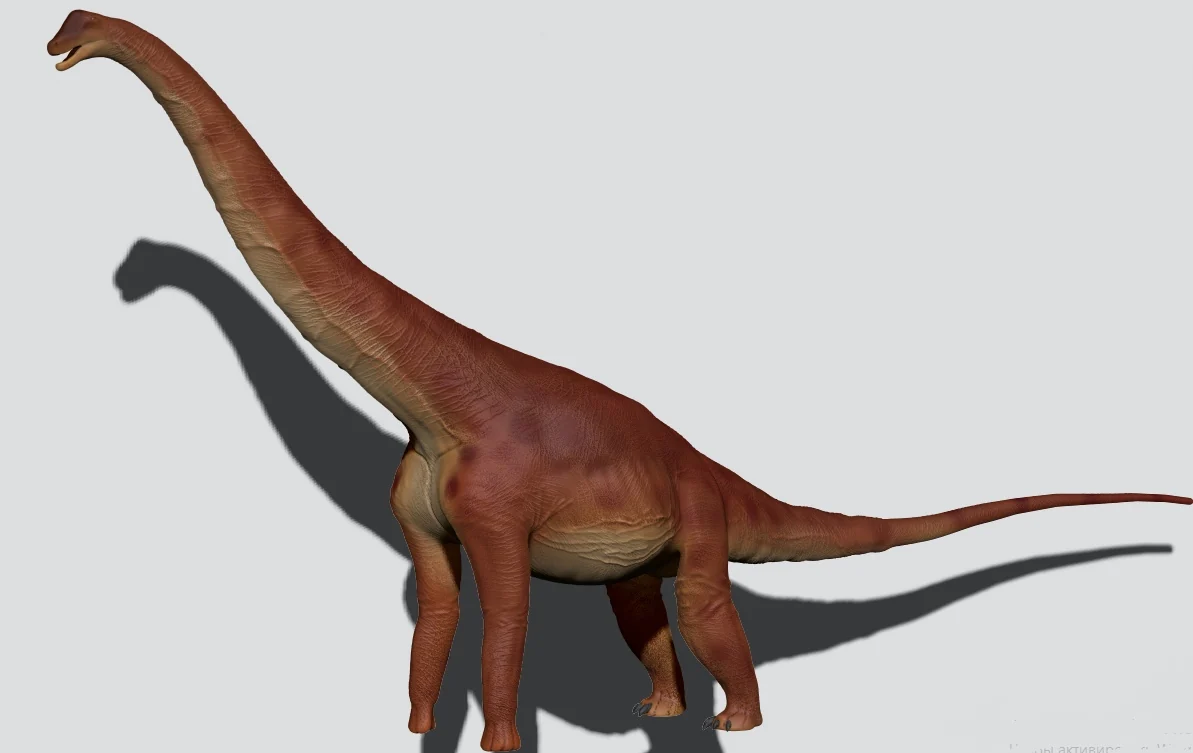
A rare, high-shouldered Morrison Formation sauropod named from a partial Colorado skeleton with a huge humerus, deep trunk vertebrae and forelimbs longer than its hind limbs.

herbivore~21 m

Jurassic

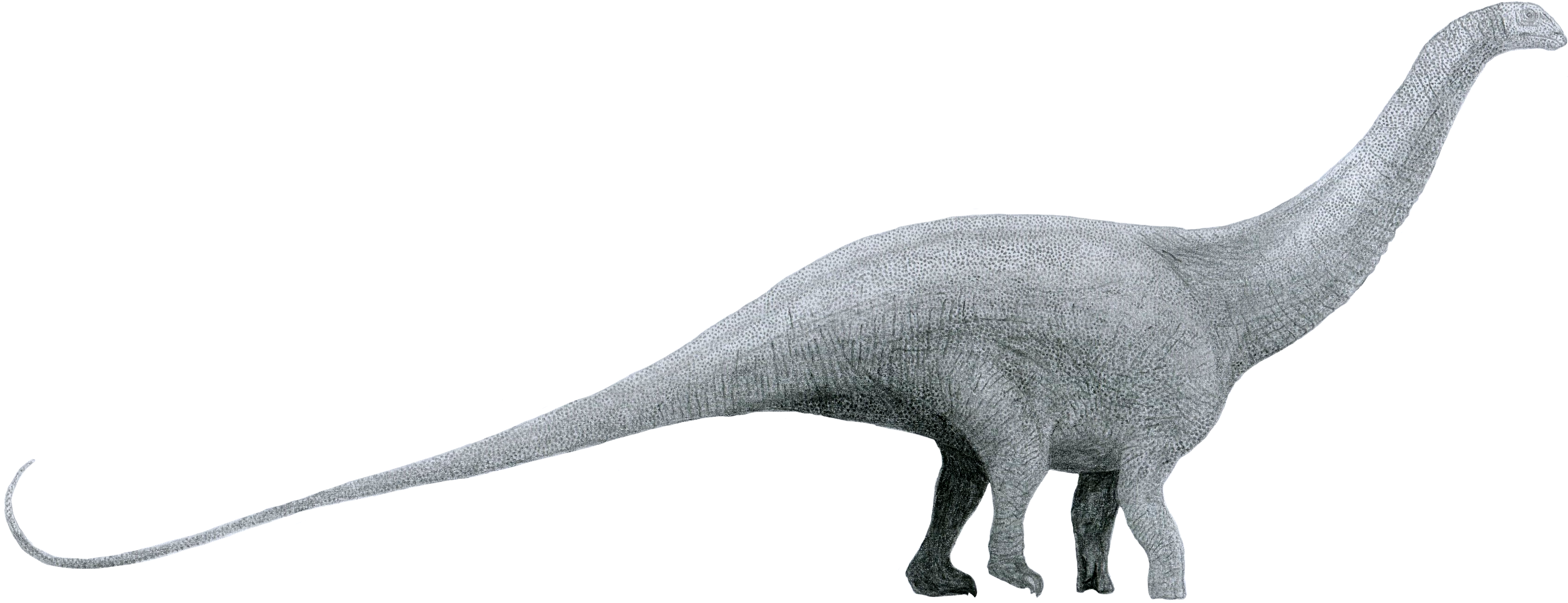
Brontosaurus excelsus

The classic thunder lizard: a robust Late Jurassic diplodocid from Wyoming with a powerful neck, columnar limbs and an exceptionally long tapering tail.

herbivore~21.5 m

Jurassic

Camarasaurus lentus

A robust Morrison Formation sauropod with a blunt box-like skull, spoon-shaped teeth and one of the most complete articulated sauropod skeletons ever found.

herbivore~15 m

Jurassic

Camptosaurus dispar

A robust Late Jurassic plant-eater from the Morrison Formation, built for powerful hind-limb movement and efficient cropping with a deep beak and ridged cheek teeth.

herbivore~6 m

Cretaceous

Carcharodontosaurus saharicus

A giant North African predator defined chiefly by lost Algerian teeth and a huge partial Moroccan skull, with blade-like serrated teeth and a complicated taxonomic history.

carnivore~12 m

Cretaceous

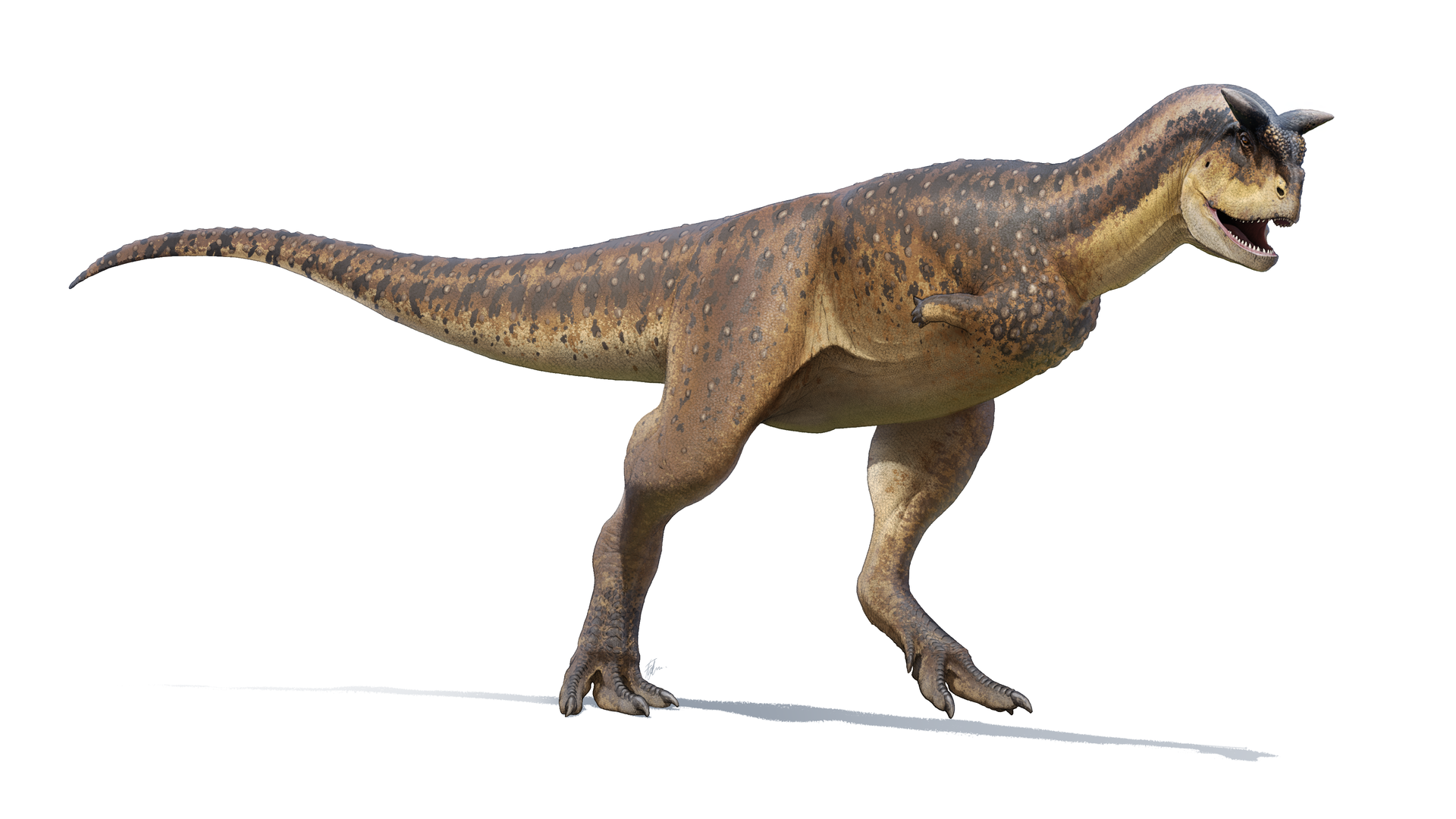
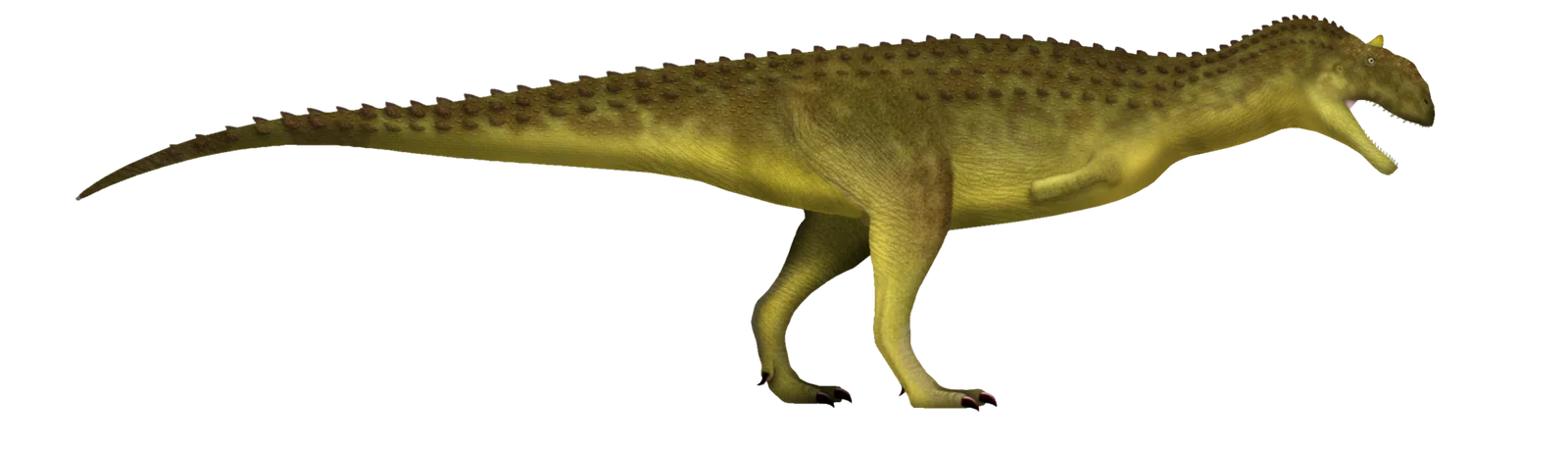
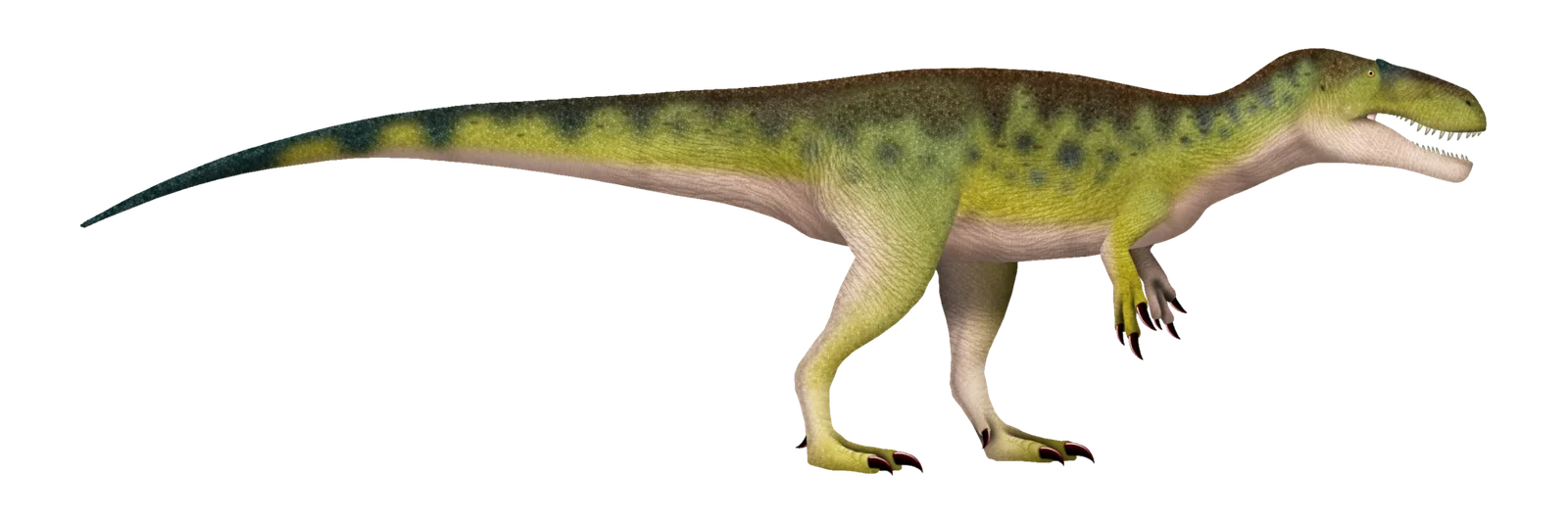
Carnotaurus sastrei

A short-skulled Patagonian abelisaurid with thick brow horns, extremely reduced arms and exceptionally preserved scaly skin. Nearly everything known comes from one remarkable skeleton.

carnivore~7.5 m

Cretaceous

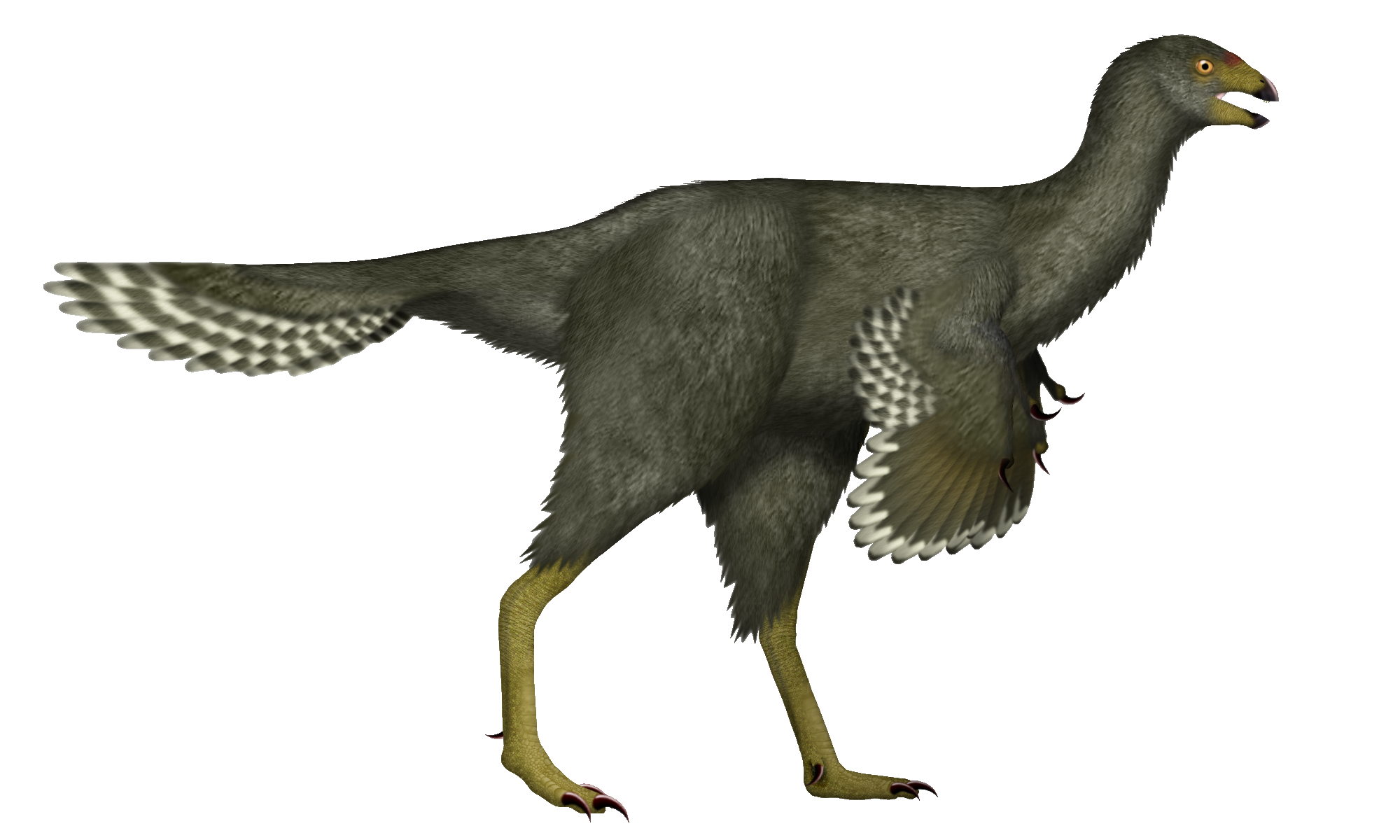
Caudipteryx zoui

A small, flightless oviraptorosaur whose exquisite Liaoning fossils preserve downy body covering and symmetrical wing and tail feathers.

omnivore~0.8 m

Cretaceous

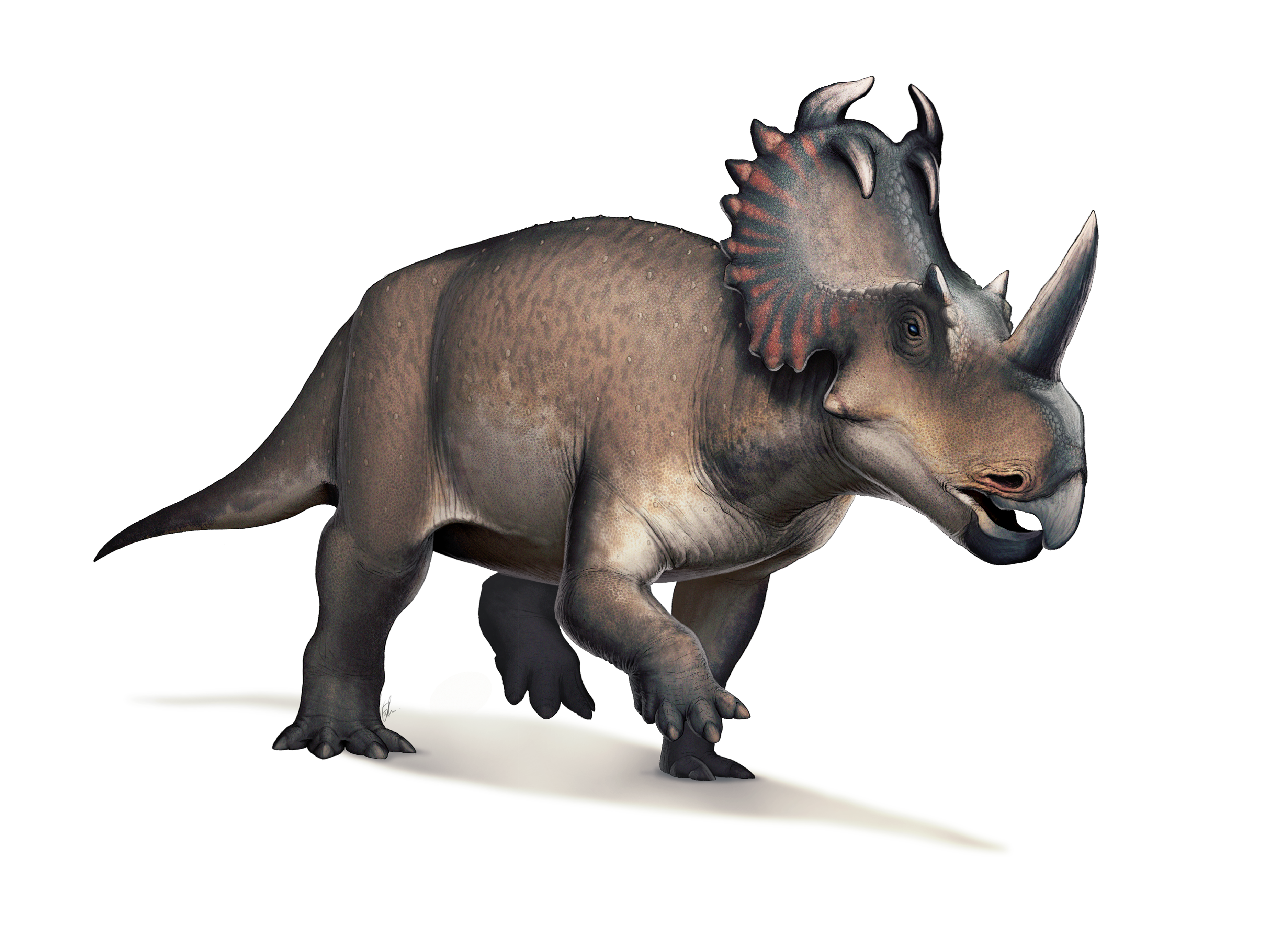
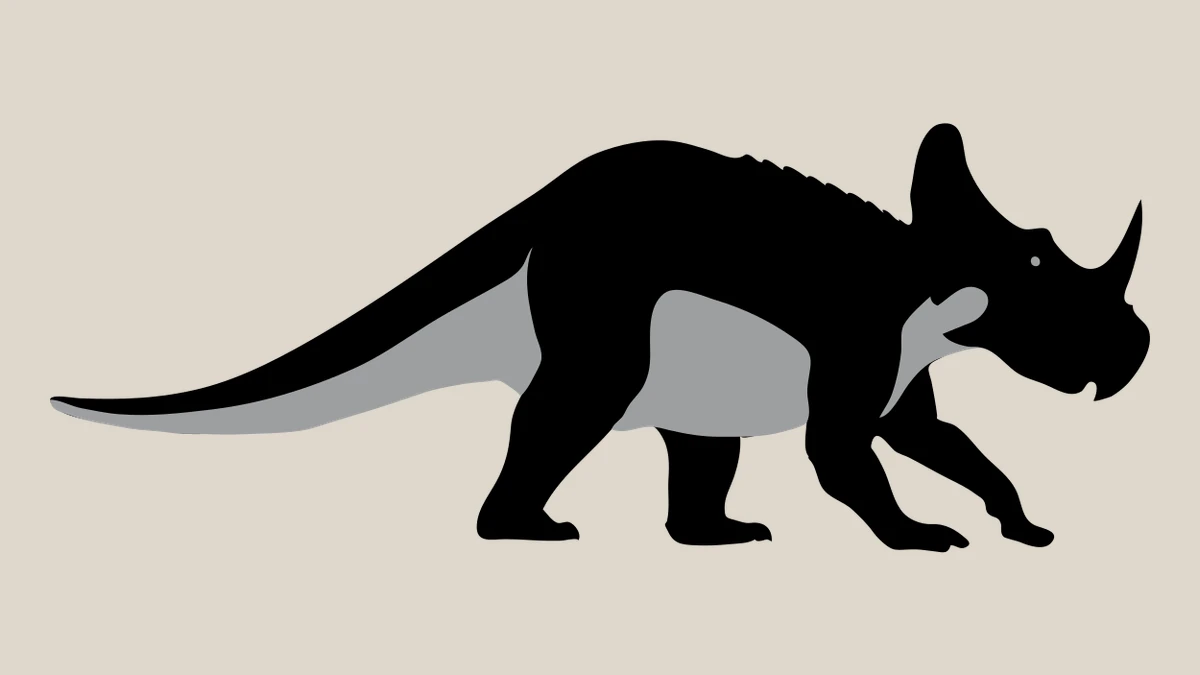
Centrosaurus apertus

A short-frilled horned dinosaur from Alberta, famous for its long nasal horn, hooked frill ornaments and enormous mass-death bonebeds.

herbivore~5.5 m

Jurassic

Ceratocaudia antiqua

A small, early macronarian sauropod from Jurassic India, known from a partial skeleton with an unusual horn-like crest on a front tail vertebra.

herbivore~7 m

Jurassic

Ceratosaurus nasicornis

A medium-sized Morrison Formation predator with a blade-like nasal horn, raised brow bones, unusually deep jaws, four-fingered hands and a row of small bony osteoderms along the body midline.

carnivore~6 m

Cretaceous

Changzhousaurus sinensis

A tiny, nearly complete feathered pennaraptoran from Early Cretaceous China, preserving enormous wings, feathered feet and a fan of about 16 exceptionally long tail feathers.

carnivore~0.34 m

Cretaceous

Chasmosaurus belli

A classic long-frilled horned dinosaur from Alberta, known from complete skulls, articulated skeletons, skin impressions and a rare juvenile skeleton.

herbivore~4.7 m

Triassic

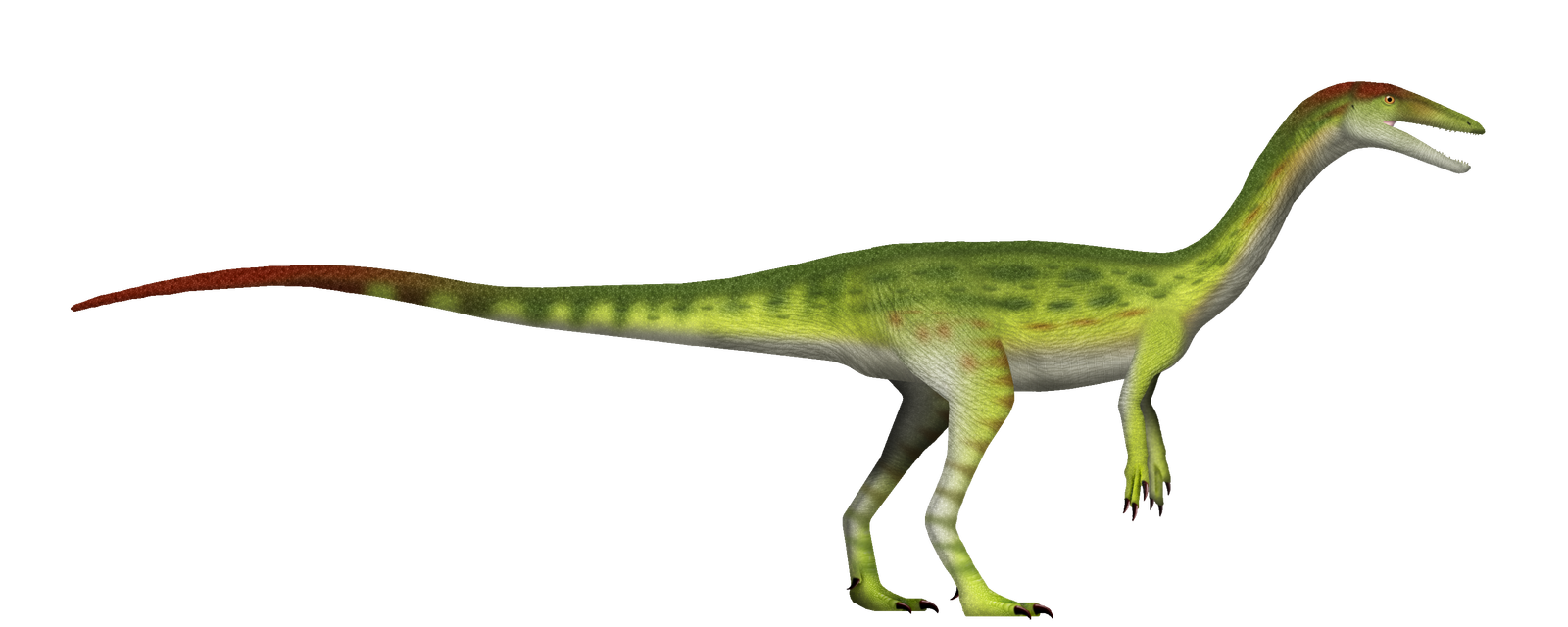
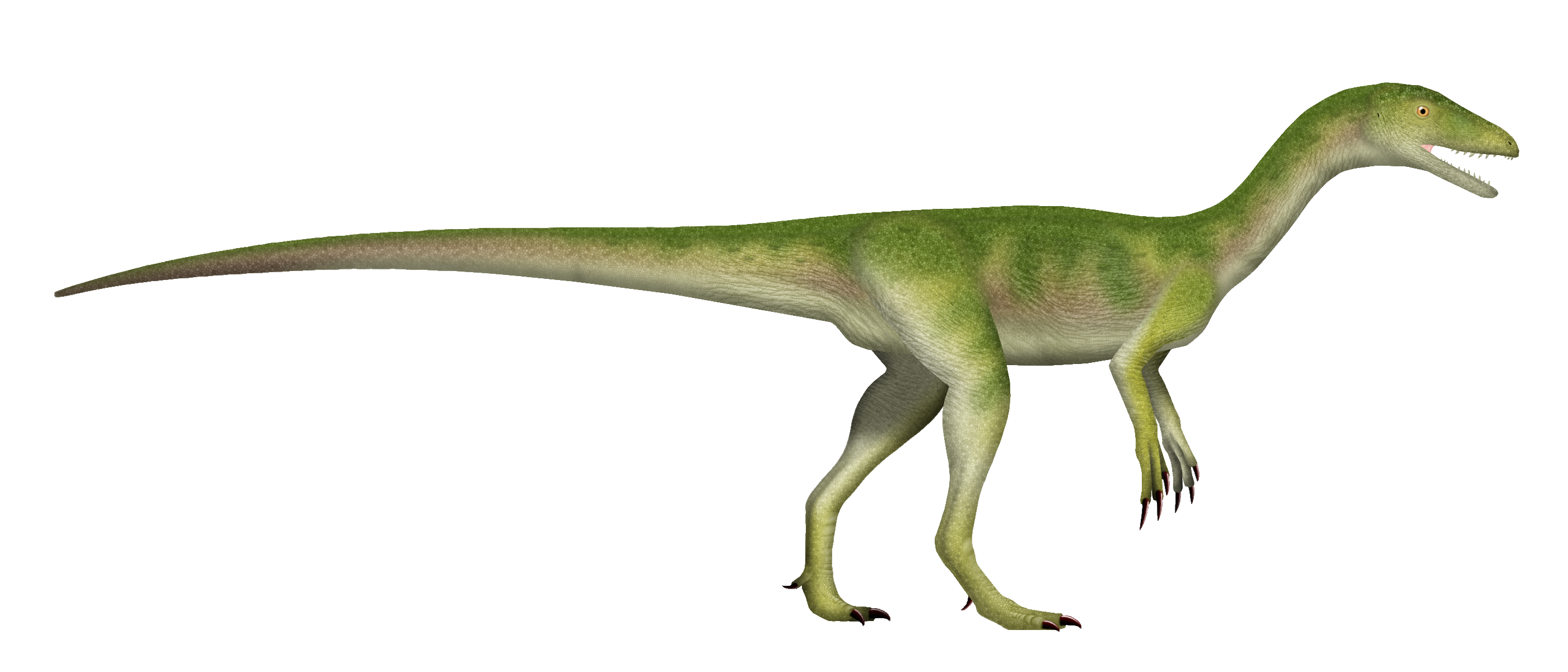
Coelophysis bauri

A lightly built Late Triassic predator known from hundreds of skeletons at Ghost Ranch. Its famous fossils stabilized a difficult species name—and disproved a textbook story about dinosaur cannibalism.

carnivore~2.7 m

Jurassic

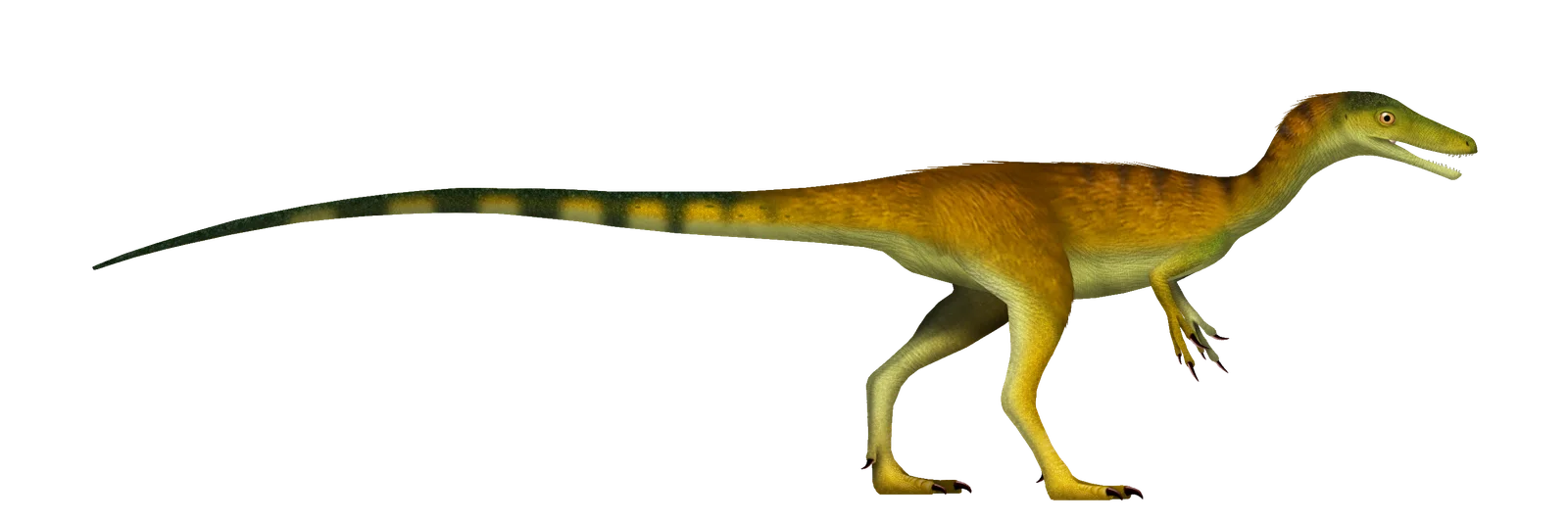
Compsognathus longipes

A small Late Jurassic theropod known from just two exceptionally complete European skeletons—one from Bavaria and a larger individual from Canjuers, France—both preserving evidence central to its anatomy and diet.

carnivore~1.25 m

Cretaceous

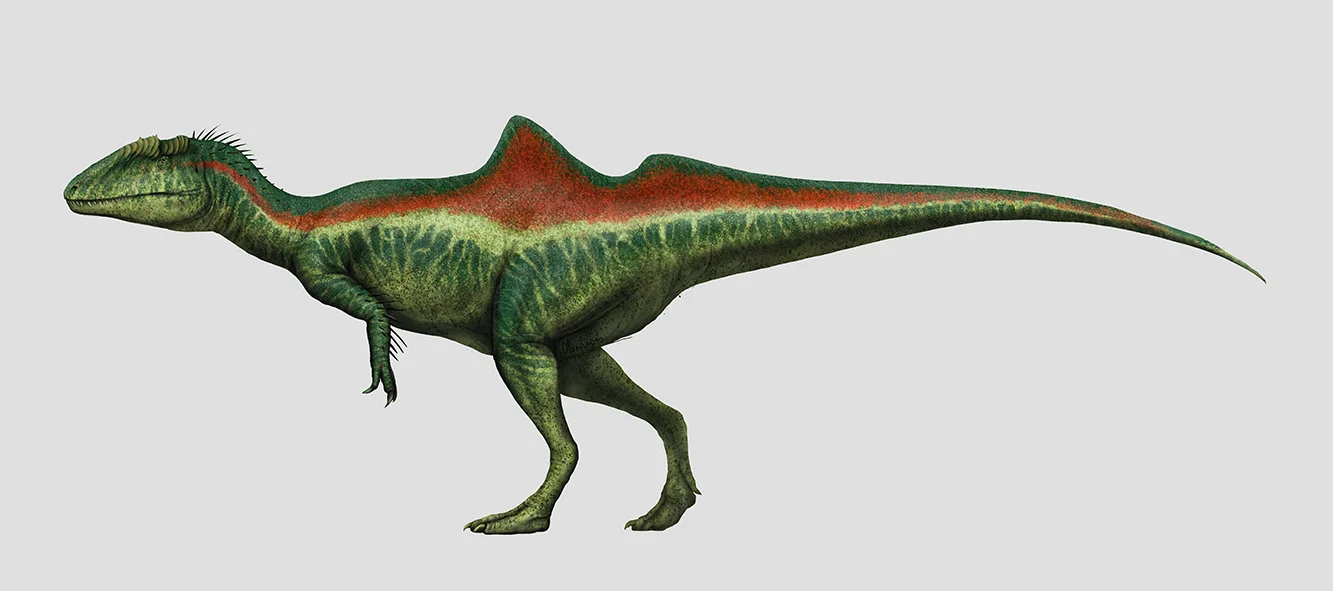
Concavenator corcovatus

A nearly completely known Early Cretaceous predator from Spain with a short, tall-backed crest immediately in front of its hips.

carnivore~6 m

Cretaceous

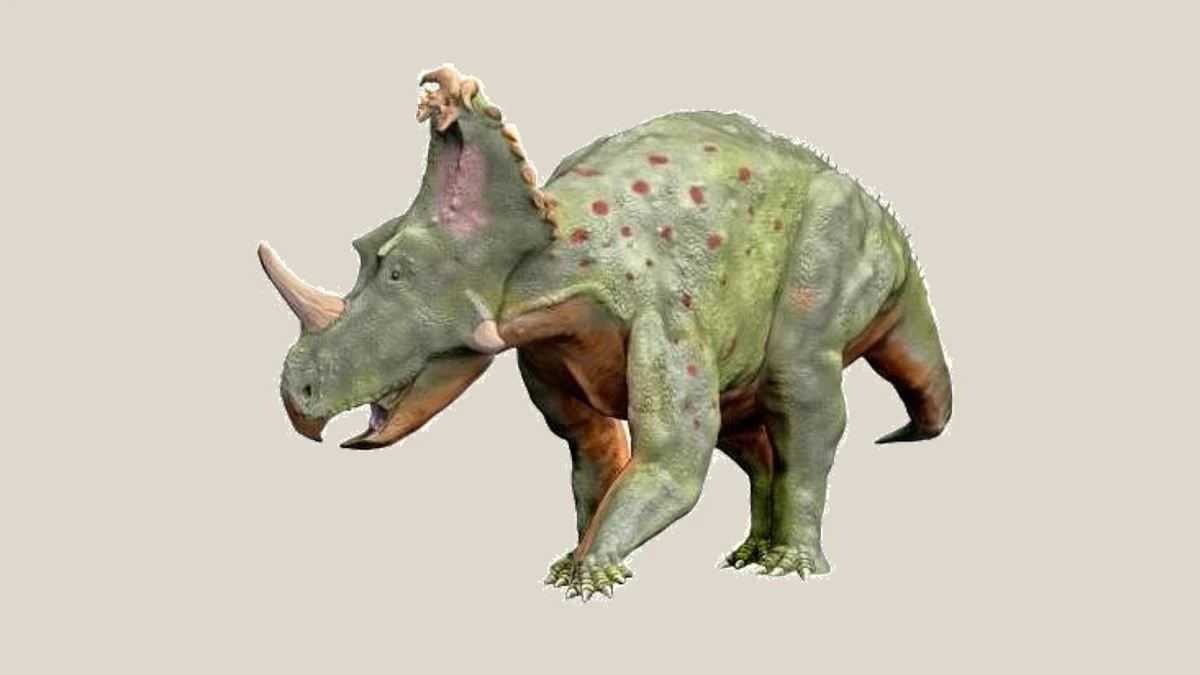
Coronosaurus brinkmani

An Alberta centrosaurine whose frill carried a crown-like cluster of extra ossifications and short spikes.

herbivore~5 m

Cretaceous

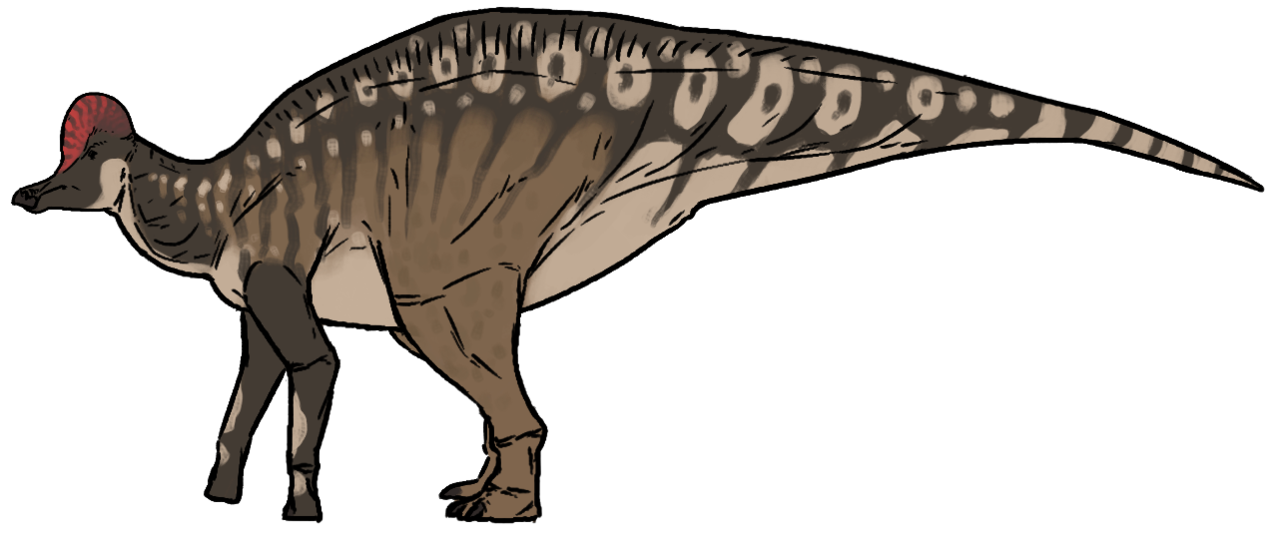
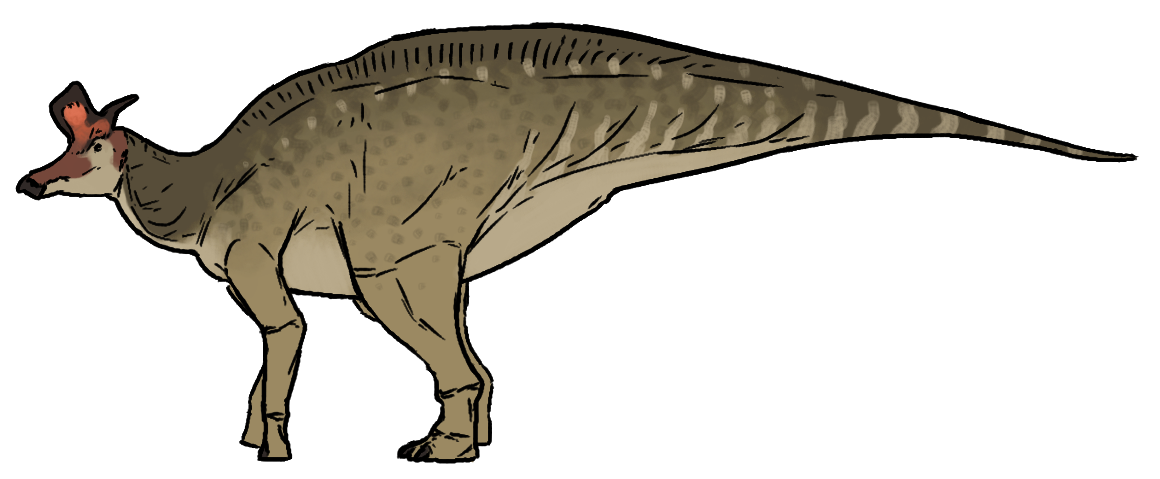
Corythosaurus casuarius

A large Canadian duck-billed dinosaur whose hollow, helmet-shaped crest enclosed long looping nasal passages and whose holotype preserves skin impressions.

herbivore~9 m

Jurassic

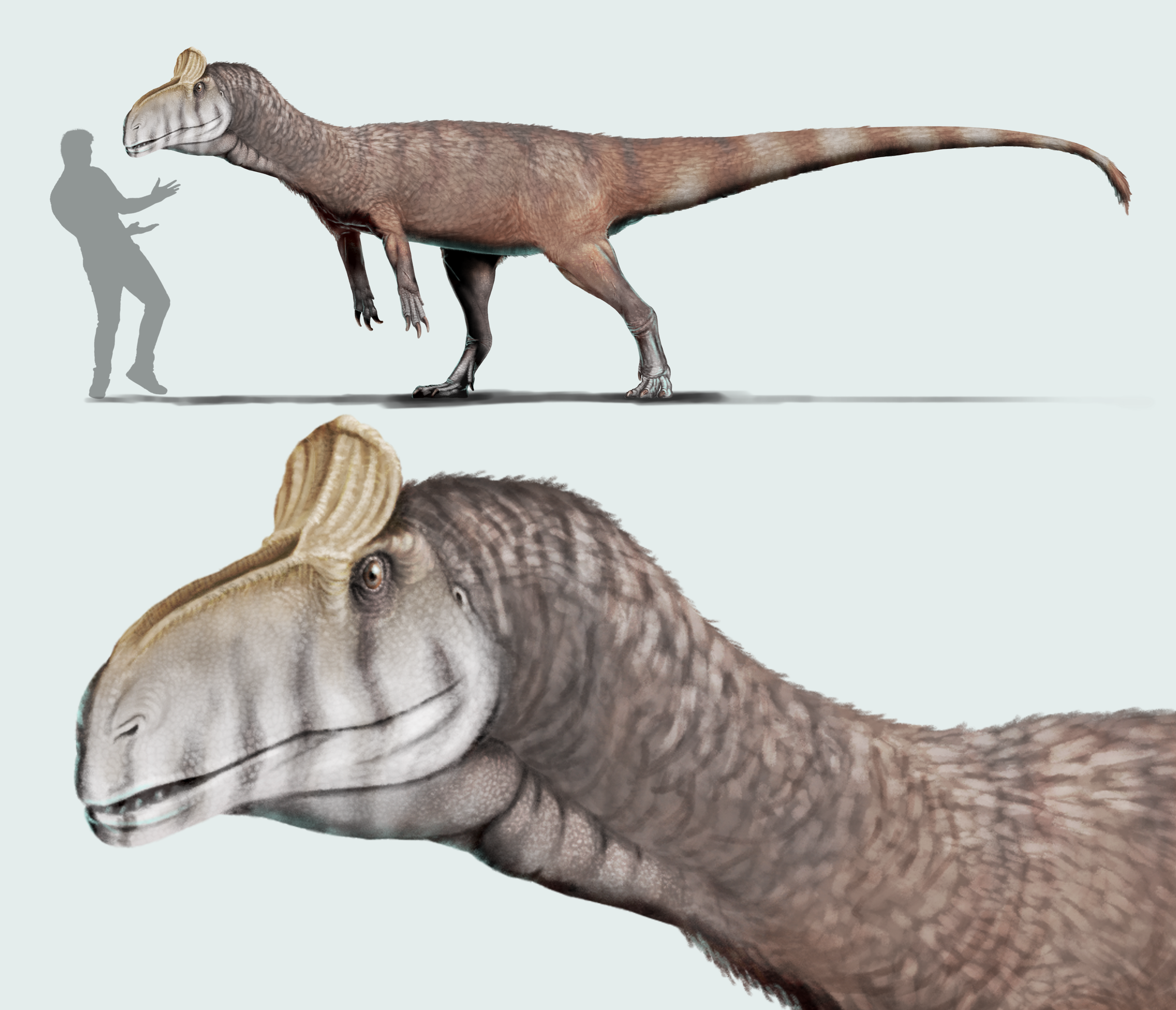
Cryolophosaurus ellioti

A large Early Jurassic Antarctic predator with a spectacular sideways-curving crest and one of the continent's most informative dinosaur skeletons.

carnivore~6.5 m

Jurassic

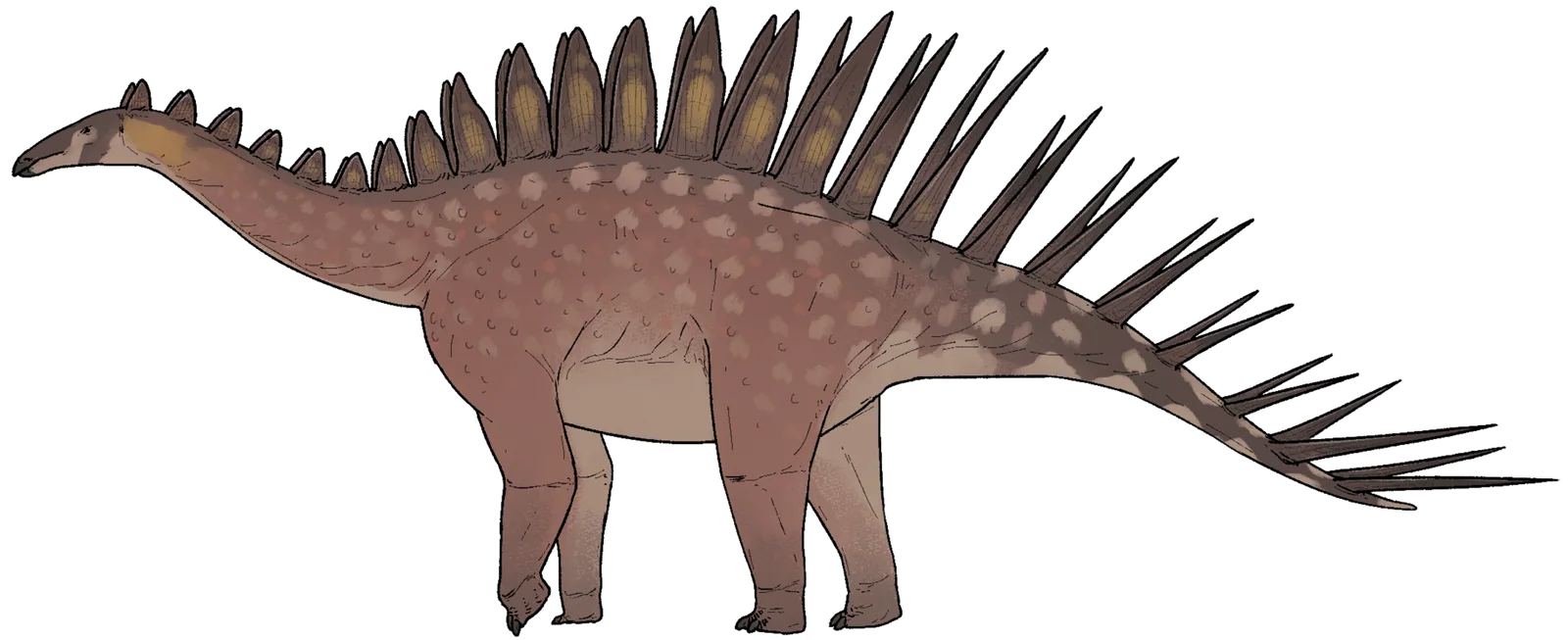
Dacentrurus armatus

A heavily built European stegosaur with a long neck, broad back plates and formidable tail spikes, known from a historic English skeleton and newer Iberian fossils.

herbivore~6 m

Cretaceous

Daspletosaurus torosus

A robust tyrannosaurid from Late Cretaceous Alberta, known from an unusually complete skull and skeleton collected by Charles M. Sternberg.

carnivore~8.5 m

Cretaceous

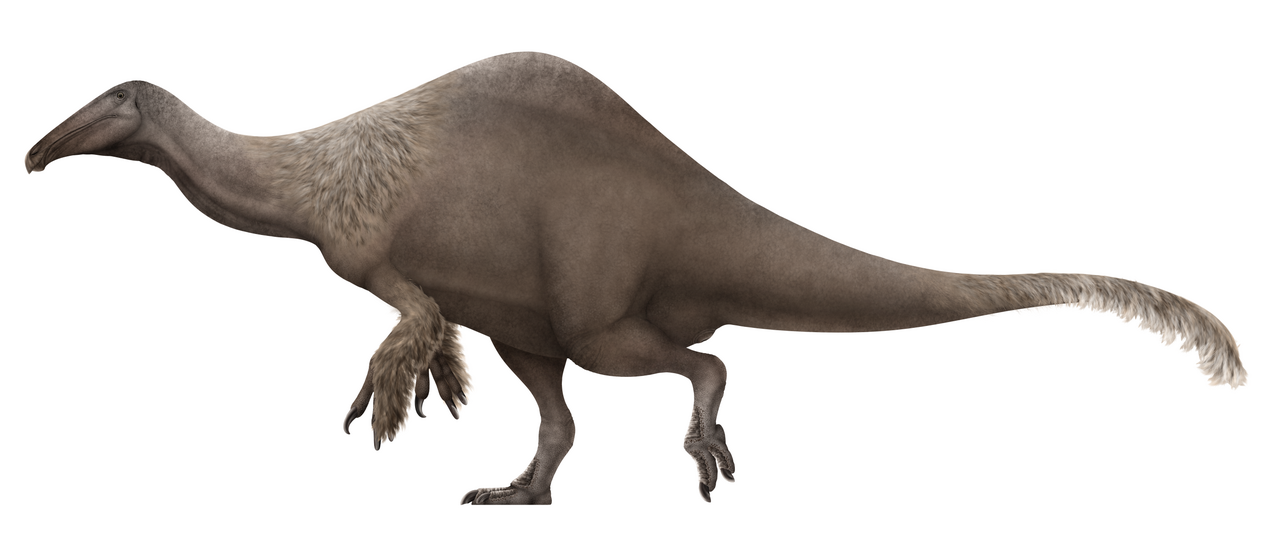
Deinocheirus mirificus

A giant, deep-bodied Mongolian ornithomimosaur with enormous arms, a toothless duck-like beak, tall back spines and a broad-footed build unlike any other known theropod.

omnivore~11 m

Cretaceous

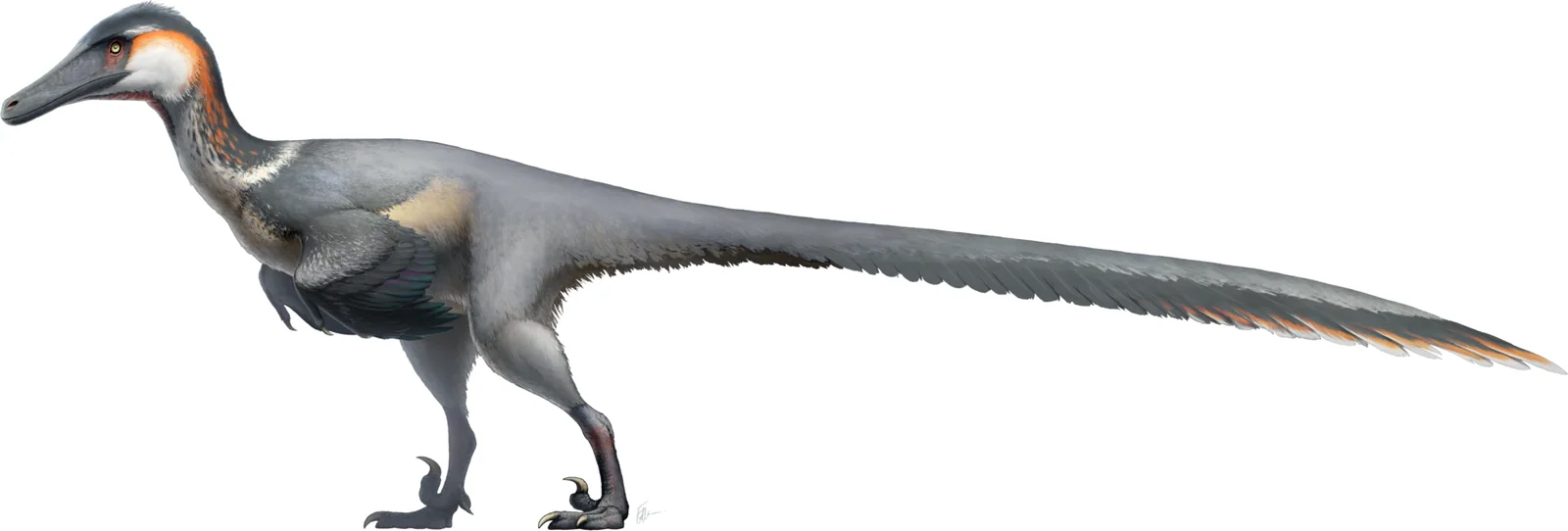
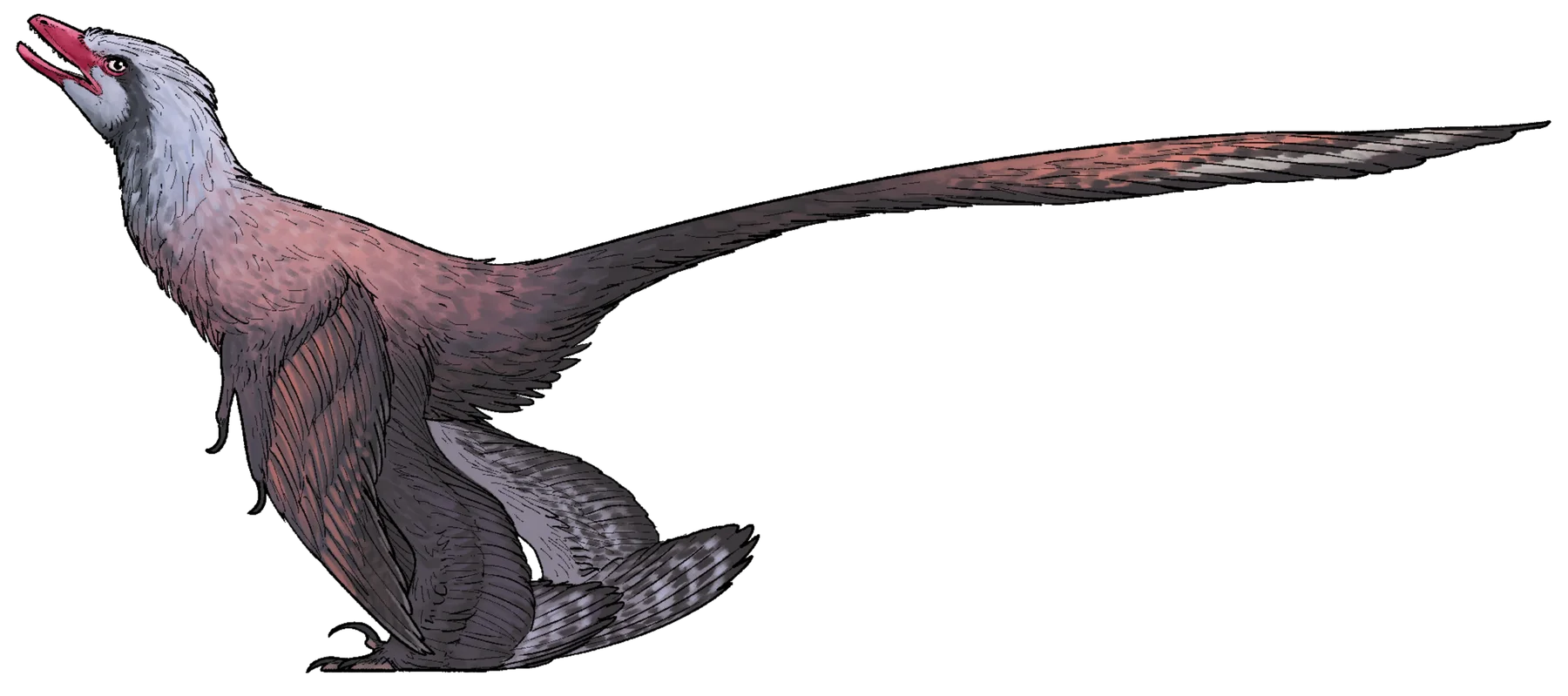
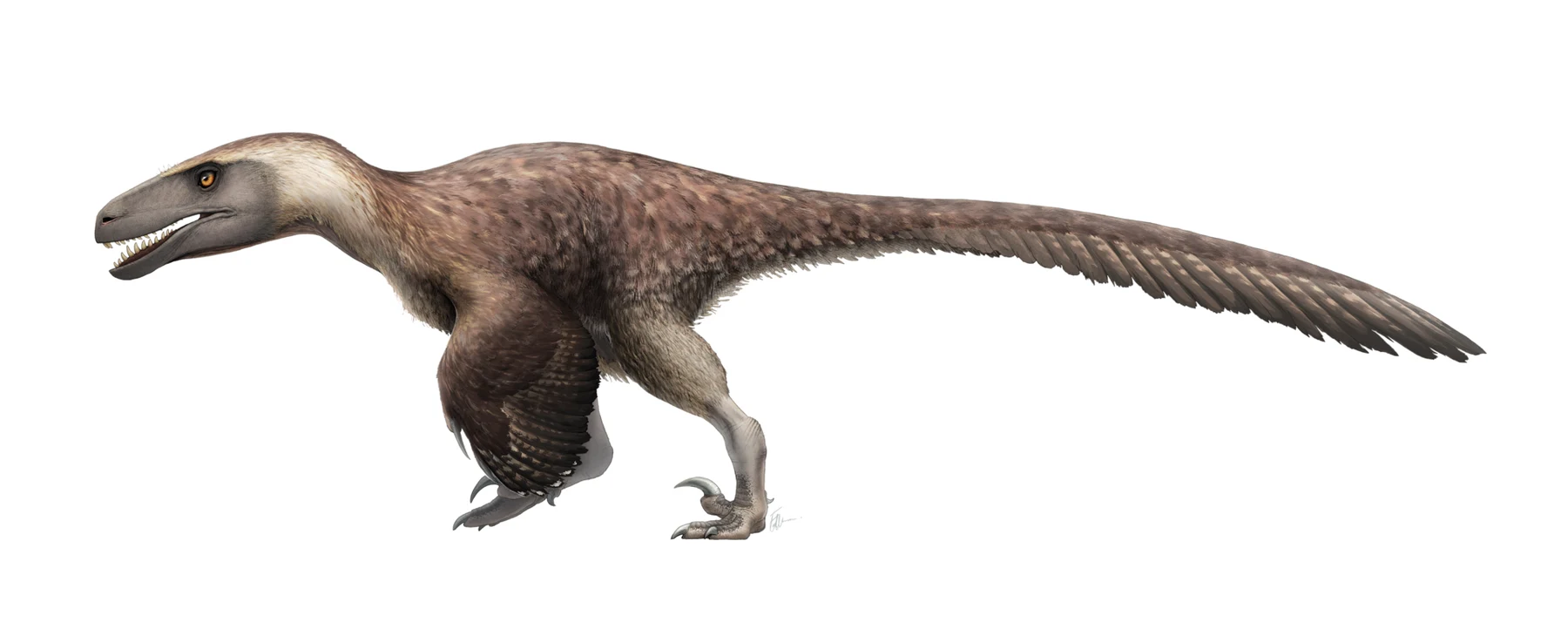
Deinonychus antirrhopus

A feathered Early Cretaceous dromaeosaurid with a raised second-toe claw, grasping hands and a reinforced tail. John Ostrom's study of it helped transform the modern view of dinosaurs as active, bird-like animals.

carnivore~3.3 m

Cretaceous

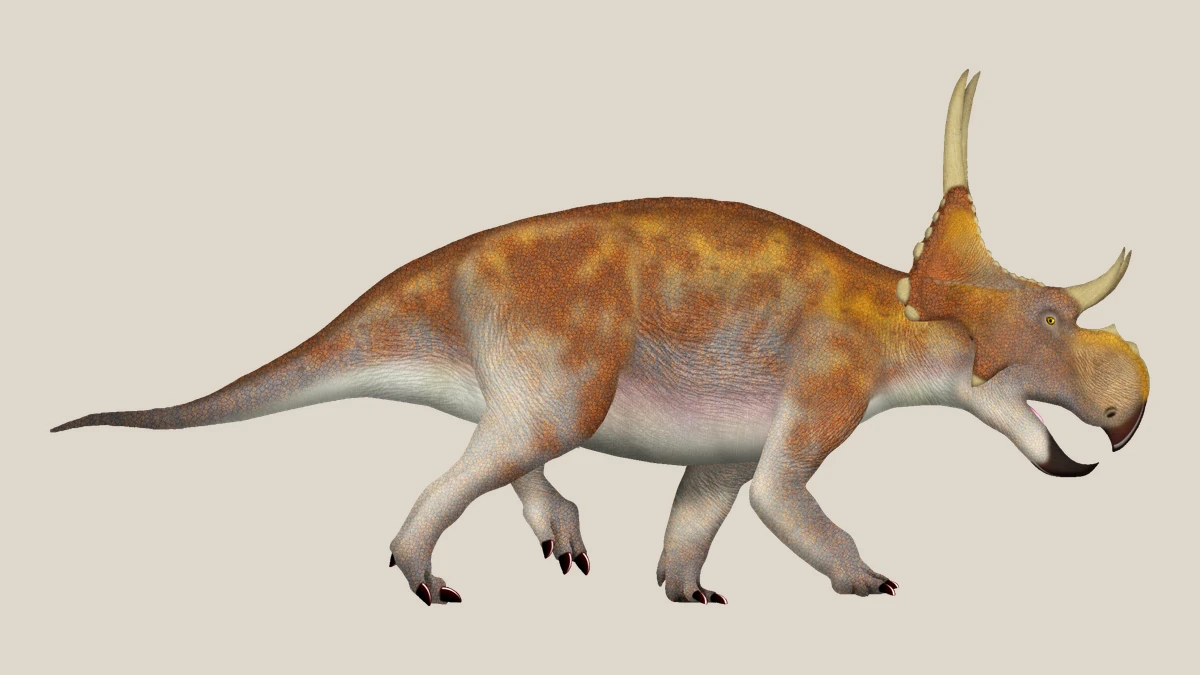
Diabloceratops eatoni

An early centrosaurine from Utah known from a remarkably complete skull with long brow horns and a pair of towering, curved frill spikes.

herbivore~4.5 m

Jurassic

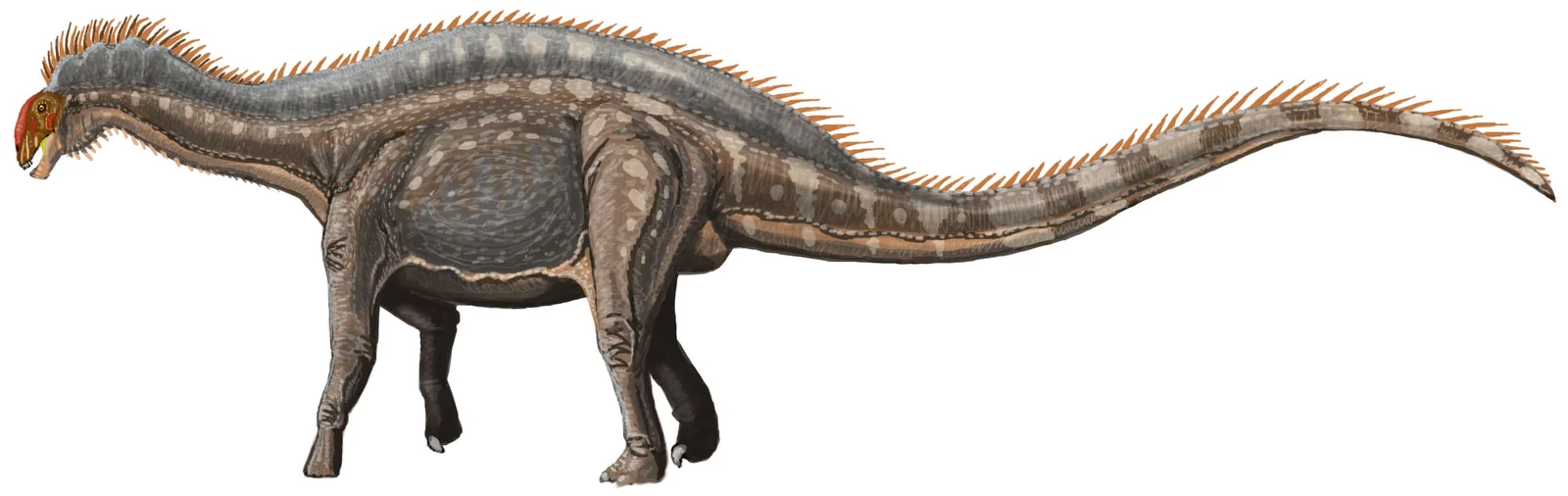
Dicraeosaurus hansemanni

A compact, unusually short-necked diplodocoid from Tanzania with tall forked vertebral spines and one of the best skeletons known for its family.

herbivore~13 m

Jurassic

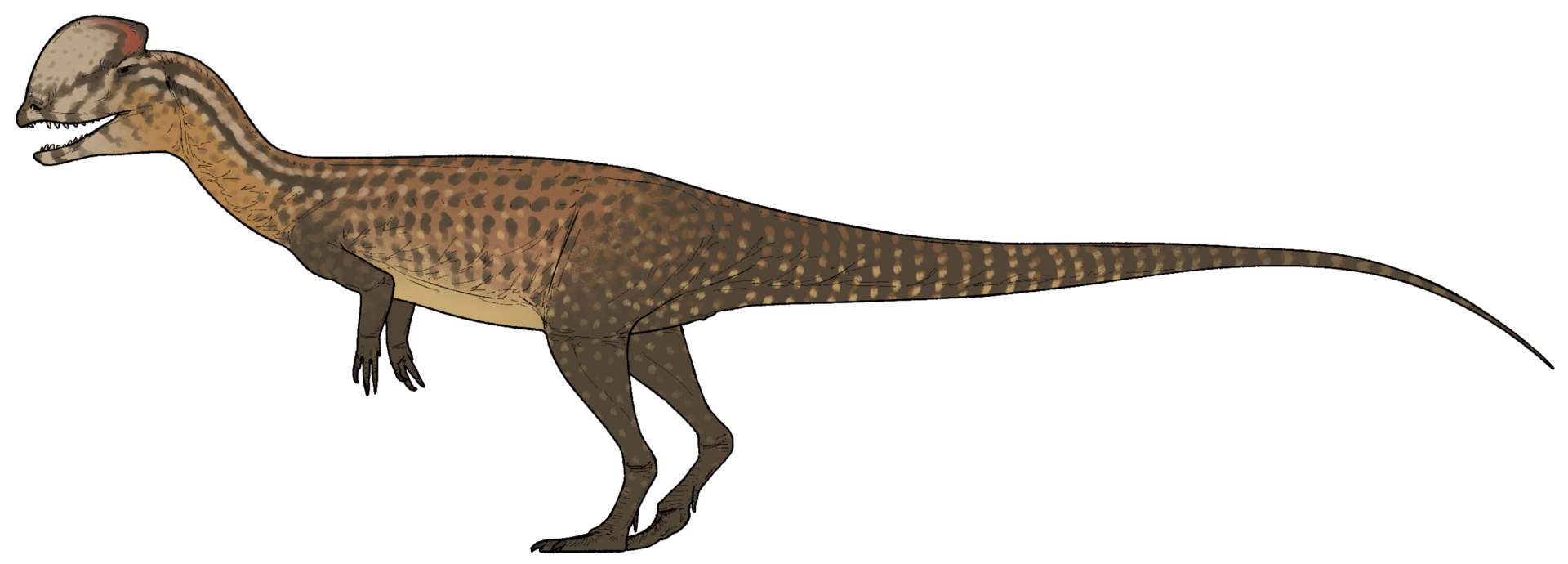
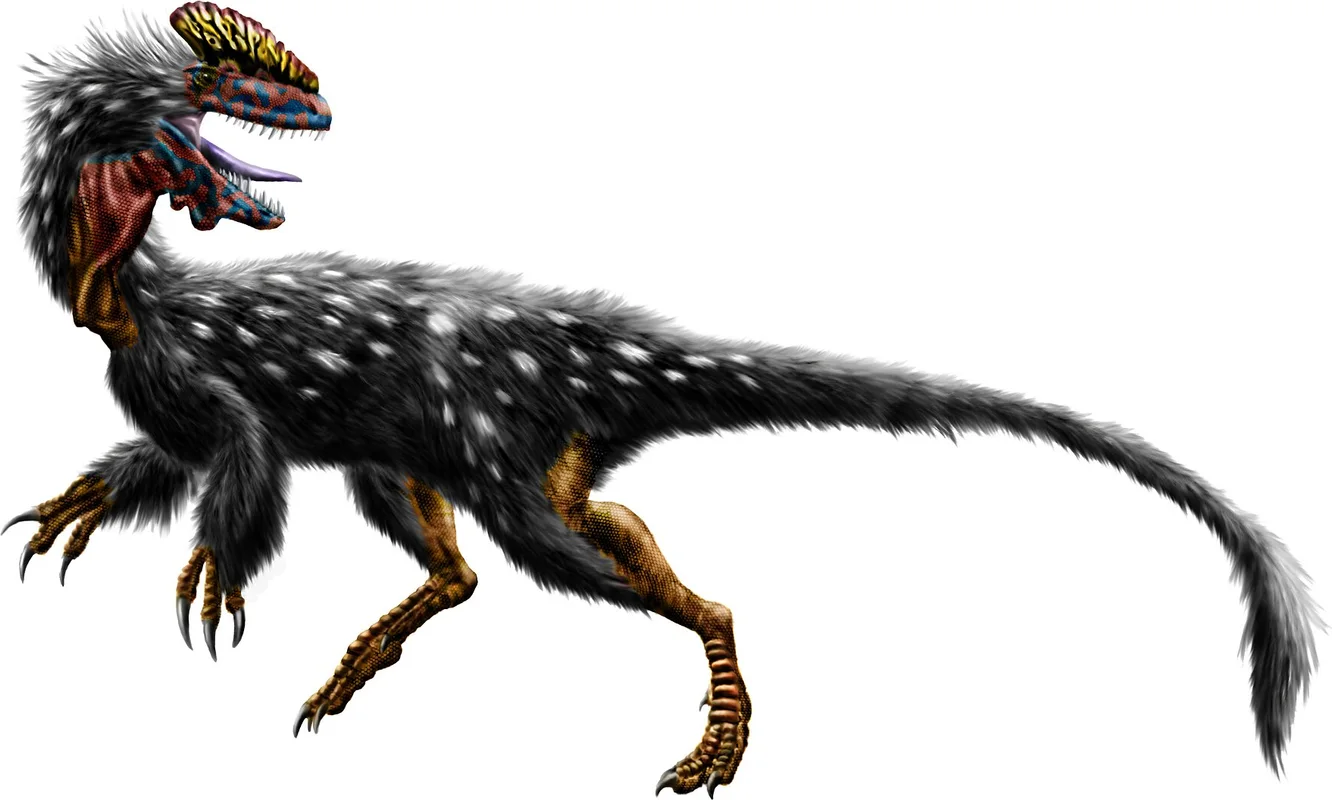
Dilophosaurus wetherilli

A large Early Jurassic predator from Navajo Nation lands in Arizona, distinguished by two thin crests built from several skull bones. It was far larger and more powerfully constructed than its small, venom-spitting film counterpart—and no fossil supports either venom or a neck frill.
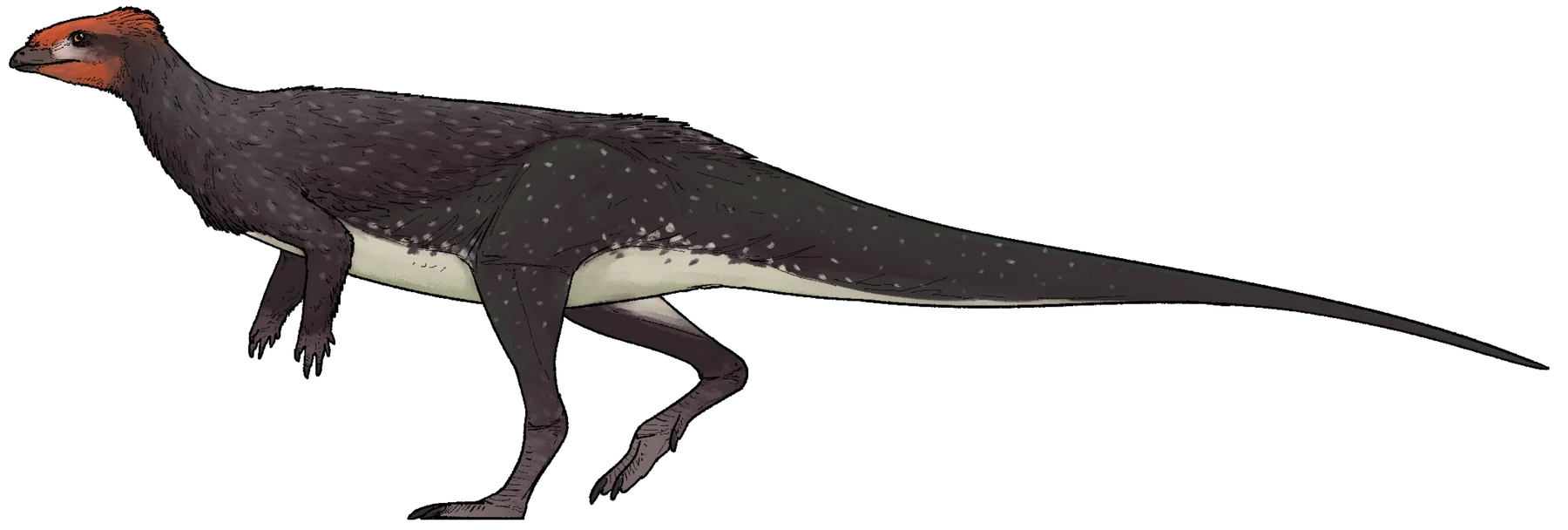
carnivore~7 m

Jurassic

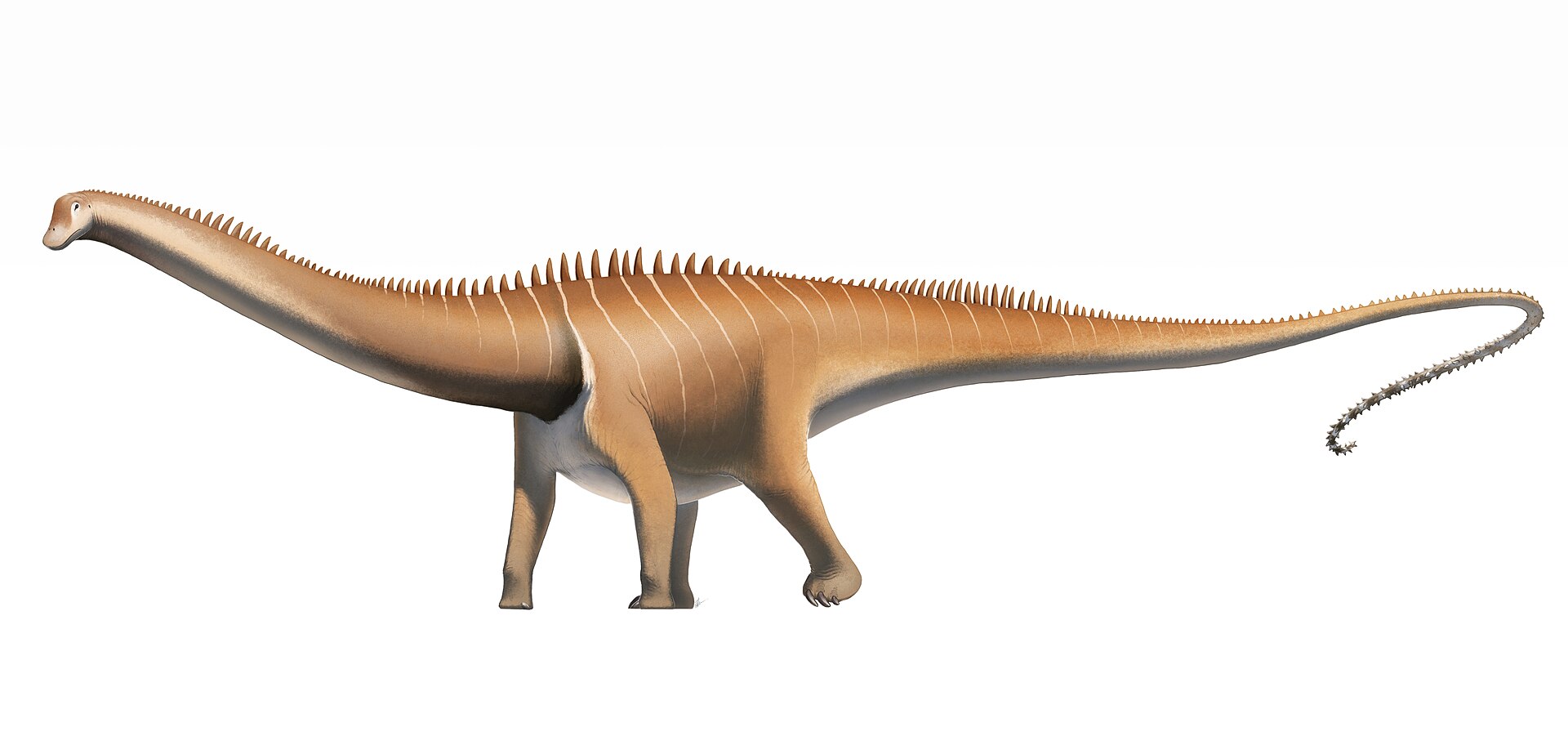
Diplodocus carnegii

A long, lightly built Morrison Formation sauropod with peg-like front teeth and an extraordinarily long tail. Its famous Carnegie skeleton—and casts sent around the world—made Diplodocus a global museum icon.

herbivore~25 m

Cretaceous

Doolysaurus huhmini

A juvenile, small-bodied thescelosaurid from South Korea whose partly hidden skull and skeleton were revealed in three dimensions by computed-tomography scans.

omnivore~1 m

Cretaceous

Dreadnoughtus schrani

An enormous Patagonian titanosaur represented by an exceptionally informative partial skeleton, with a famous but still debated body-mass estimate.

herbivore~26 m

Jurassic

Dryosaurus altus

A lightly built Late Jurassic herbivore from the Morrison Formation, with long hind limbs, a balancing tail and a small beaked head.

herbivore~3 m

Cretaceous

Duonychus tsogtbaatari

A medium-sized Mongolian therizinosaur with only two functional fingers and a rare three-dimensionally preserved keratin claw sheath.

herbivore~3 m

Cretaceous

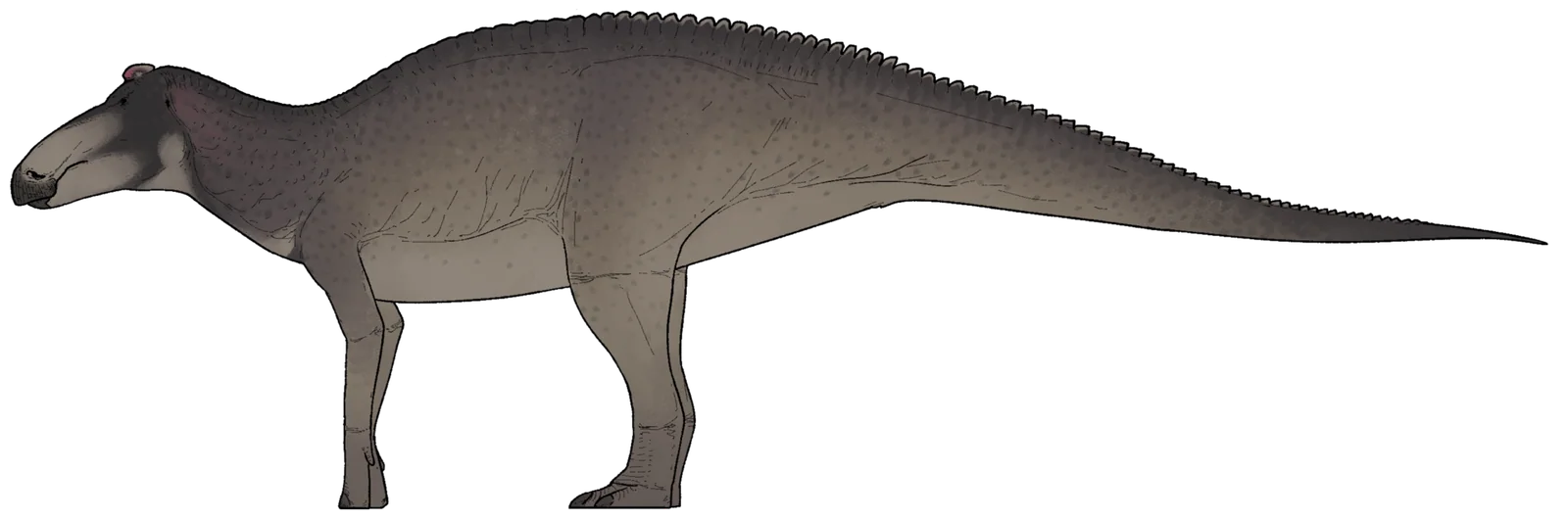
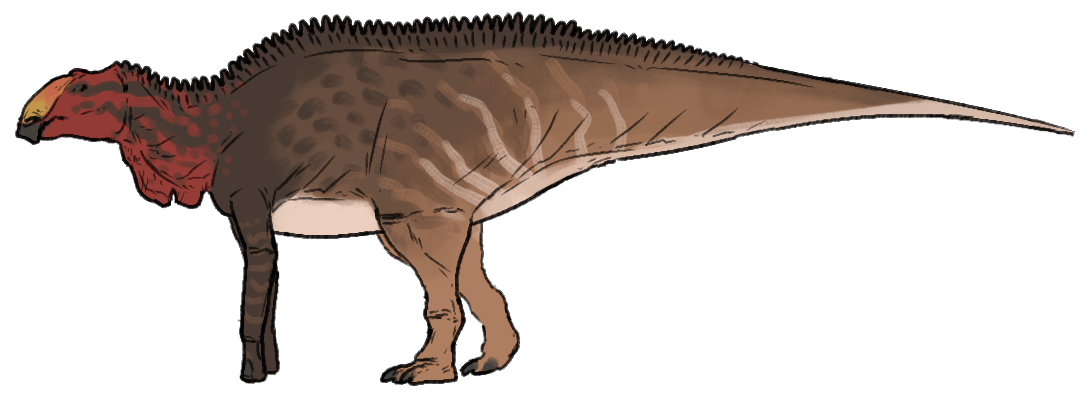
Edmontosaurus annectens

A very large, broad-billed hadrosaur from the final few million years of the Cretaceous. Complete skeletons, growth series and exceptional ‘mummies’ preserve its scales, fleshy back crest, tail spikes and hind-foot hooves in unusual detail.

herbivore~10 m

Cretaceous

Einiosaurus procurvicornis

A centrosaurine from Montana known from two multi-individual bonebeds, with a strongly forward-curving nasal horn and paired spikes on its frill.

herbivore~4.5 m

Jurassic

Enigmacursor mollyborthwickae

A small, long-legged Late Jurassic plant-eater from Colorado represented by the most complete securely named small neornithischian skeleton from the Morrison Formation.

herbivore~1.8 m

Cretaceous

Euoplocephalus tutus

A low, broad ankylosaurid from Alberta's Dinosaur Park Formation, protected by skull tiles, neck armour and body osteoderms and equipped with a stiff-handled tail club. Modern revision has greatly narrowed which fossils truly belong to it.

herbivore~5.5 m

Jurassic

Europasaurus holgeri

An island-dwarf macronarian sauropod from Late Jurassic Germany, known from an exceptional growth series that includes skulls and mature small adults.

herbivore~6.2 m

Cretaceous

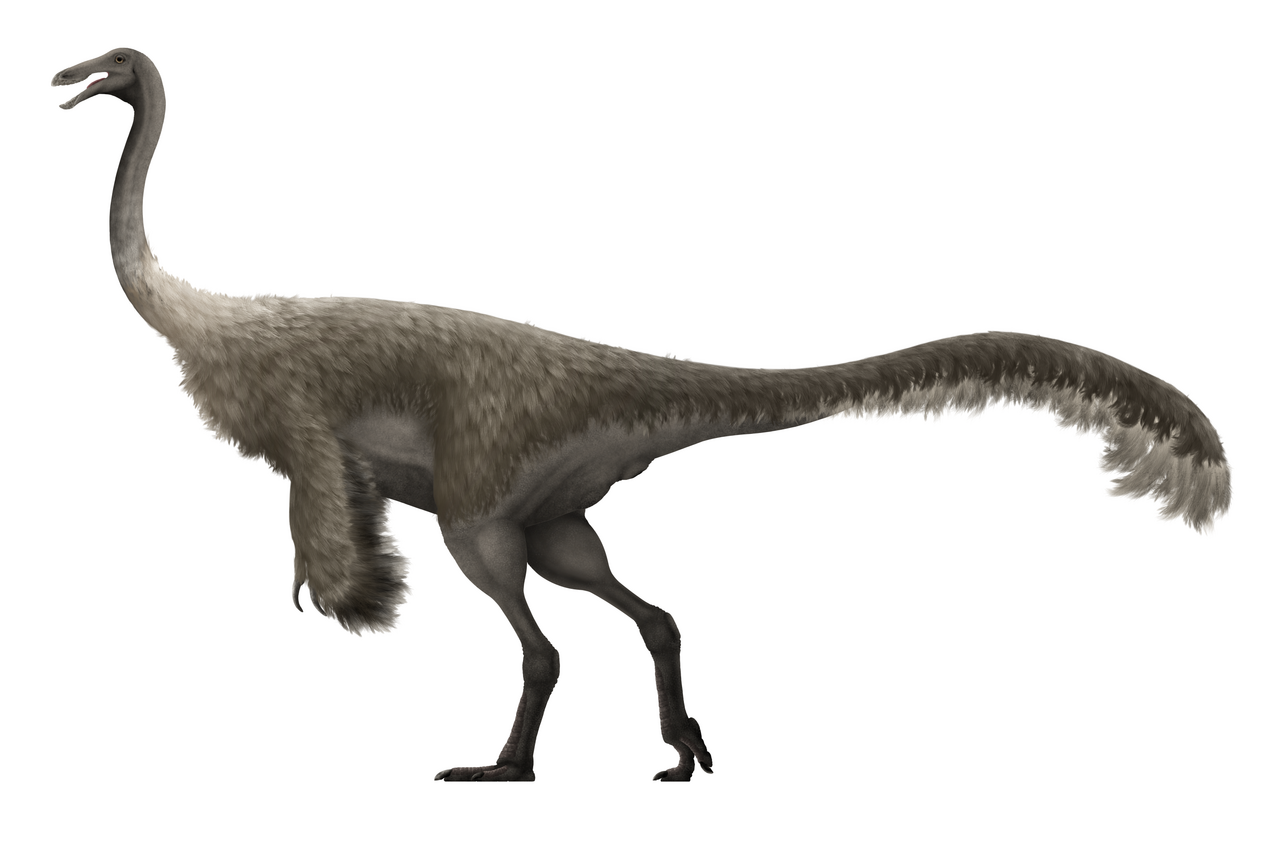
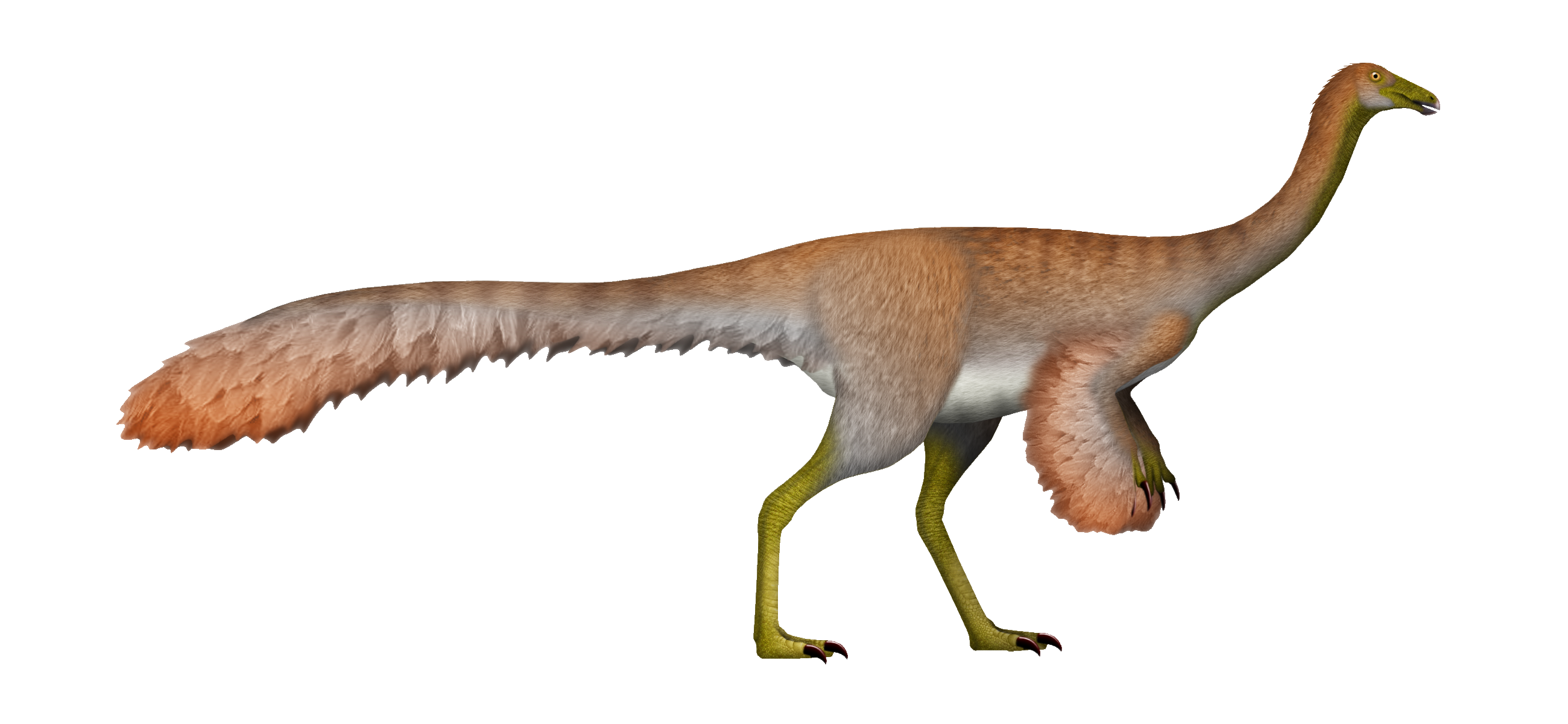
Gallimimus bullatus

A large, toothless Mongolian ornithomimid with a small head, long neck and powerful running legs, known from several skeletons spanning different growth stages.

omnivore~6 m

Cretaceous

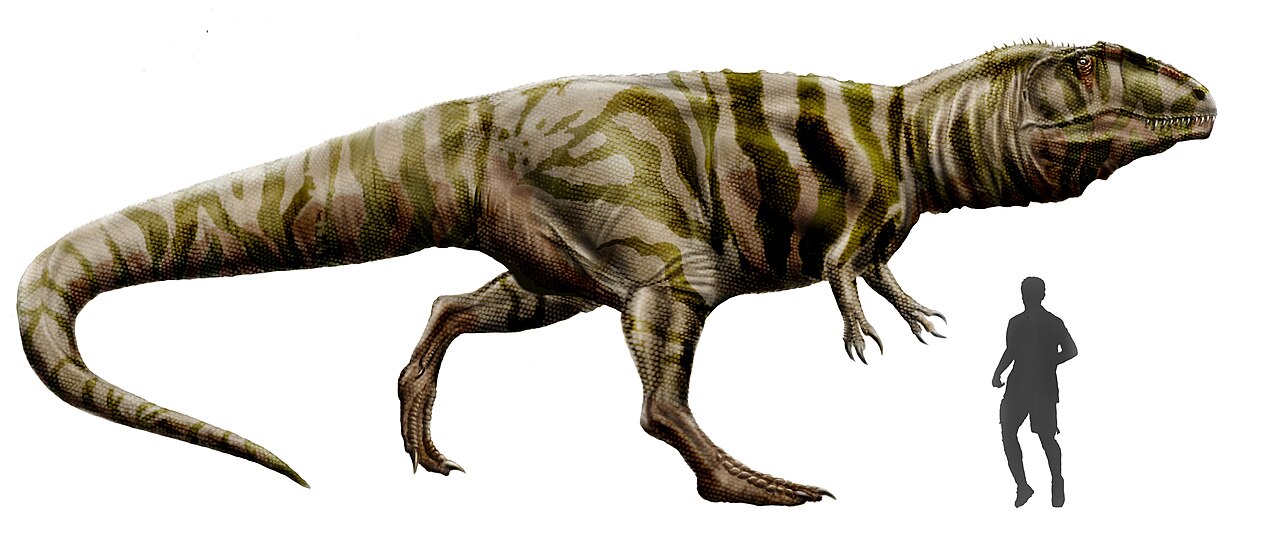
Giganotosaurus carolinii

One of the largest well-supported terrestrial predators, a long-skulled Patagonian carcharodontosaurid known chiefly from a single substantial partial skeleton.

carnivore~12.2 m

Cretaceous

Gorgosaurus libratus

A slender, long-legged tyrannosaur from Alberta known from an exceptional growth series, including a juvenile with the remains of two small dinosaurs preserved in its stomach.

carnivore~8.6 m

Jurassic

Guanlong wucaii

A small Late Jurassic tyrannosauroid from China with a tall, delicate crest extending along the middle of its snout and skull roof.

carnivore~3 m

Triassic

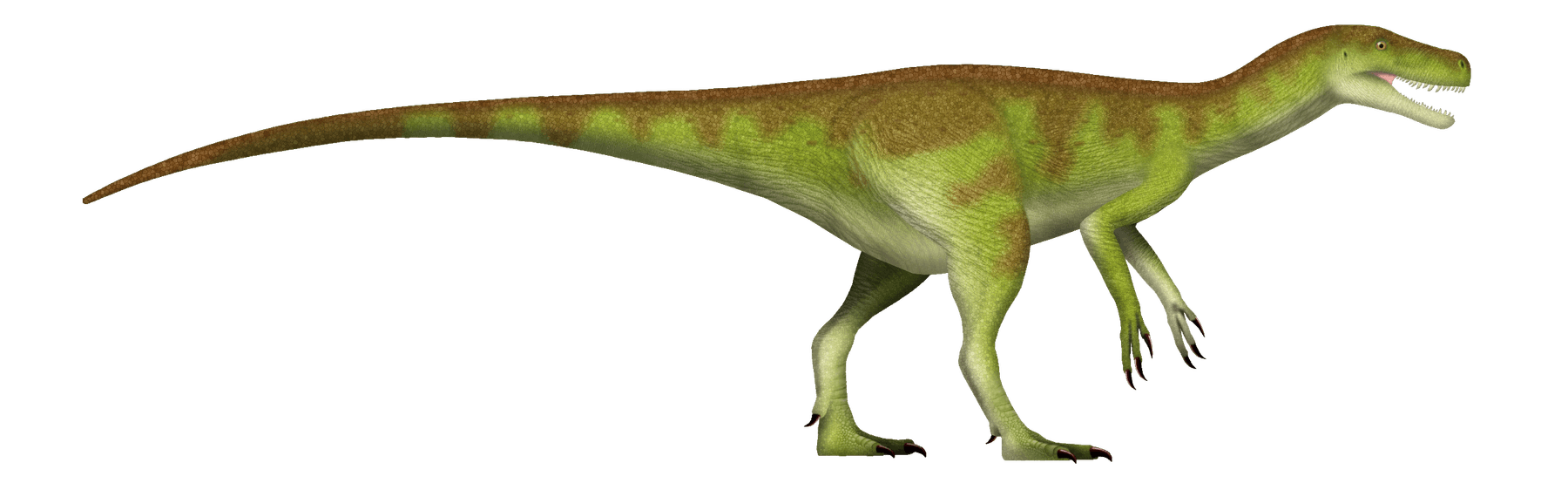
Herrerasaurus ischigualastensis

A large, lightly built Late Triassic predator from Argentina with a long low skull, serrated teeth, grasping three-clawed hands and a mixture of primitive and theropod-like skeletal features.

carnivore~5 m

Jurassic

Heterodontosaurus tucki

A small Early Jurassic ornithischian with a beak, grinding cheek teeth and prominent tusk-like caniniforms in the same jaws.

herbivore~1.5 m

Cretaceous

Hypsilophodon foxii

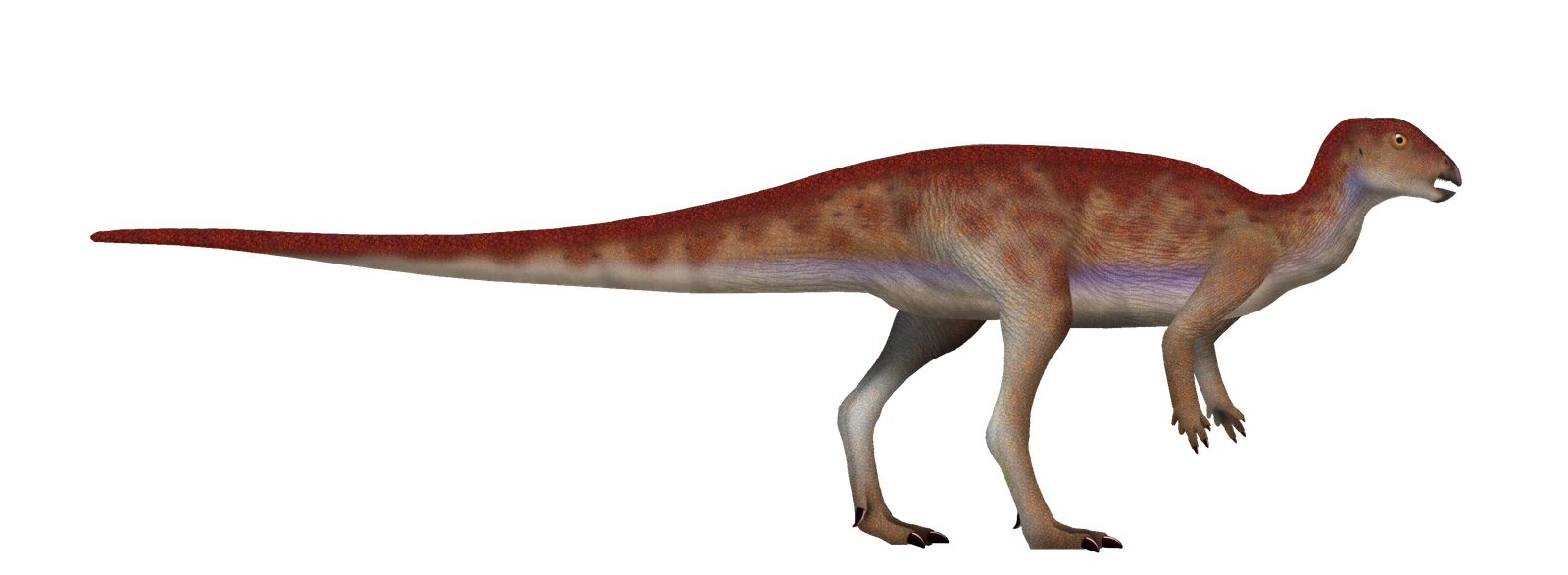
A small, agile, ground-dwelling plant-eater from the Early Cretaceous Isle of Wight, known from numerous well-preserved skeletons.

herbivore~2 m

Cretaceous

Iguanodon bernissartensis

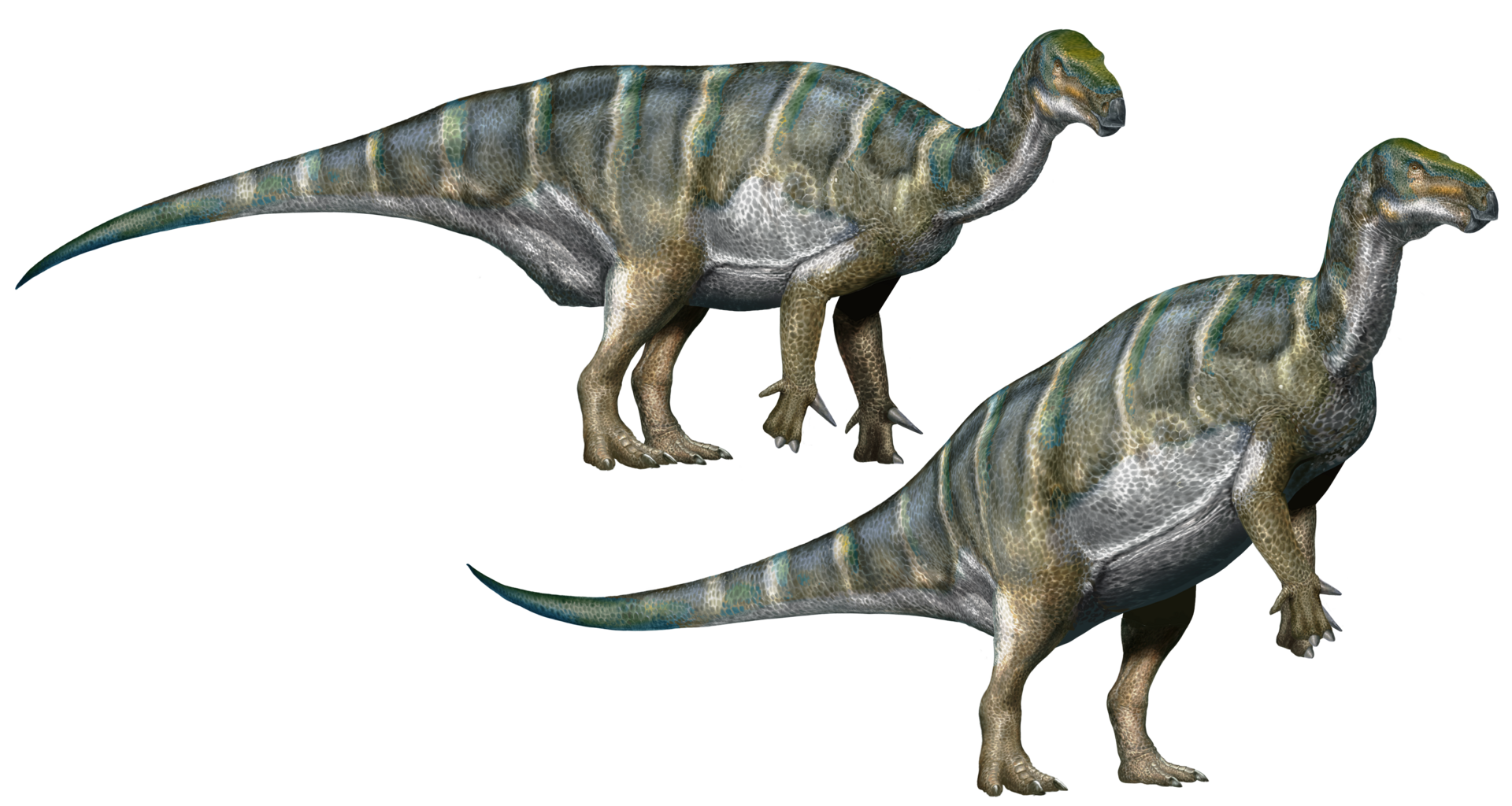
A large Early Cretaceous herbivore with a thumb spike, a weight-bearing three-fingered hand and a famous Belgian fossil record of about thirty articulated skeletons. Those fossils transformed Iguanodon from a fragmentary curiosity into one of the first well-understood dinosaurs.
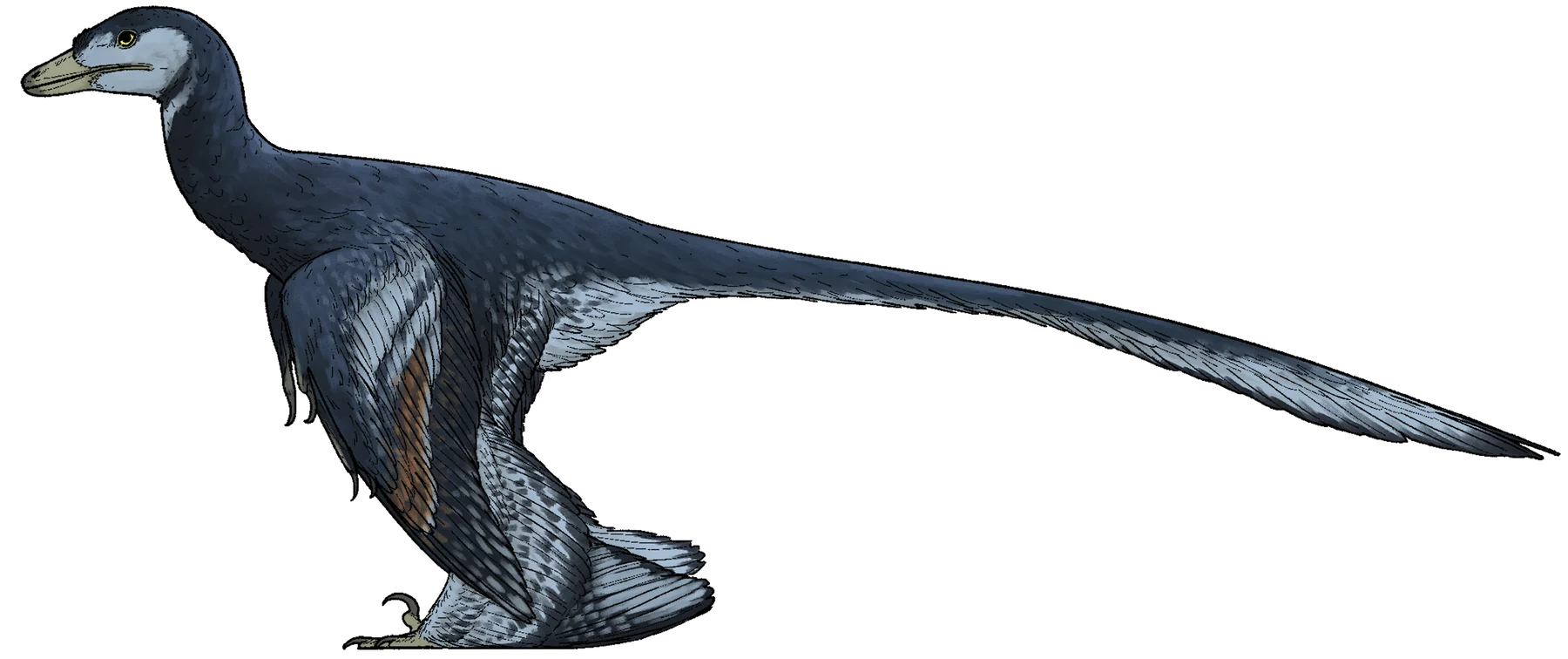
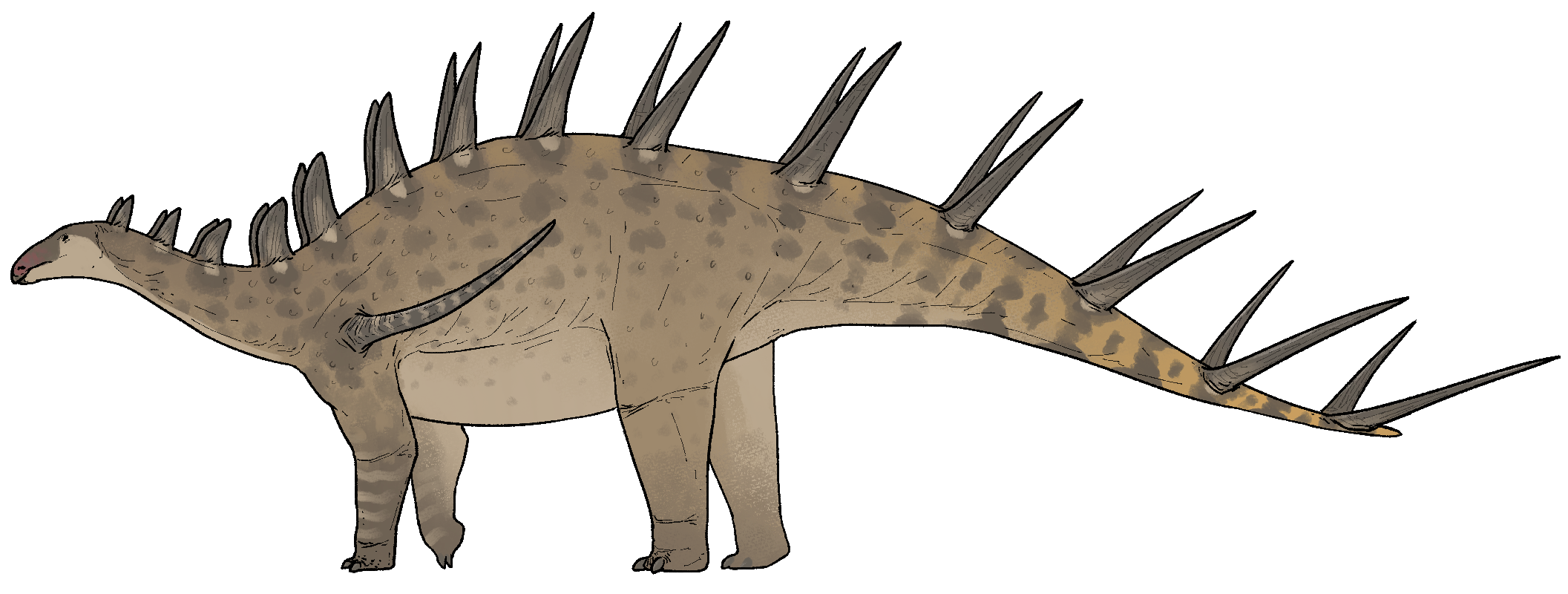
herbivore~9 m

Cretaceous

Jian changmaensis

A newly named microraptorine from northwestern China, represented by one articulated shoulder and forelimb from fossil beds otherwise famous for early birds.

carnivoreSize unknown

Jurassic

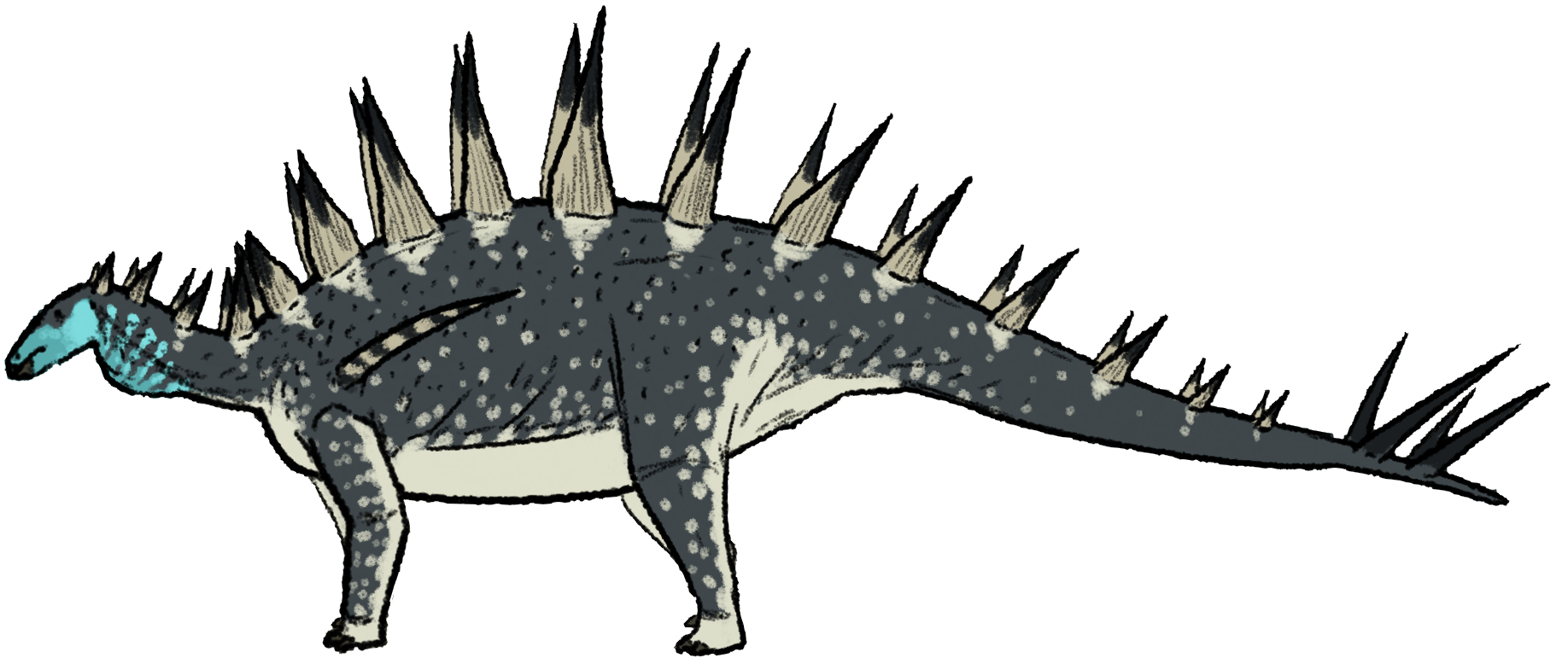
Kentrosaurus aethiopicus

A compact Tanzanian stegosaur with plates over the front half of its back and increasingly long defensive spikes toward the hips and tail.

herbivore~4.5 m

Cretaceous

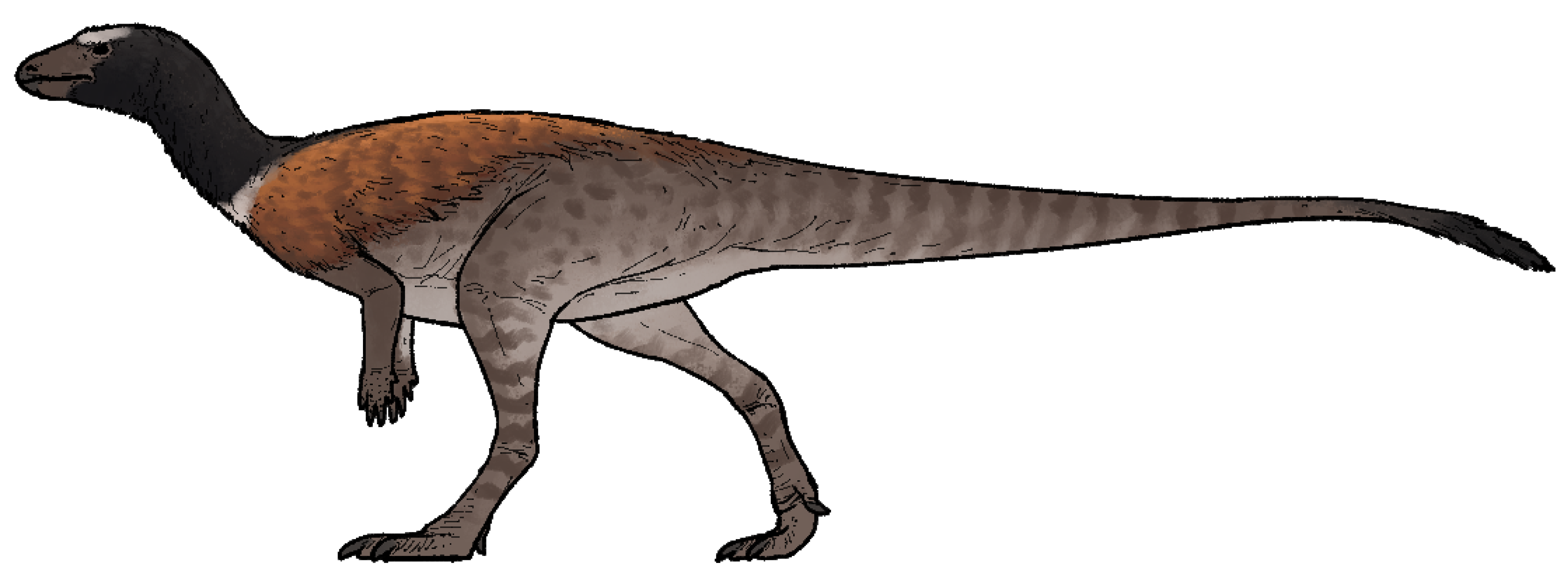
Khankhuuluu mongoliensis

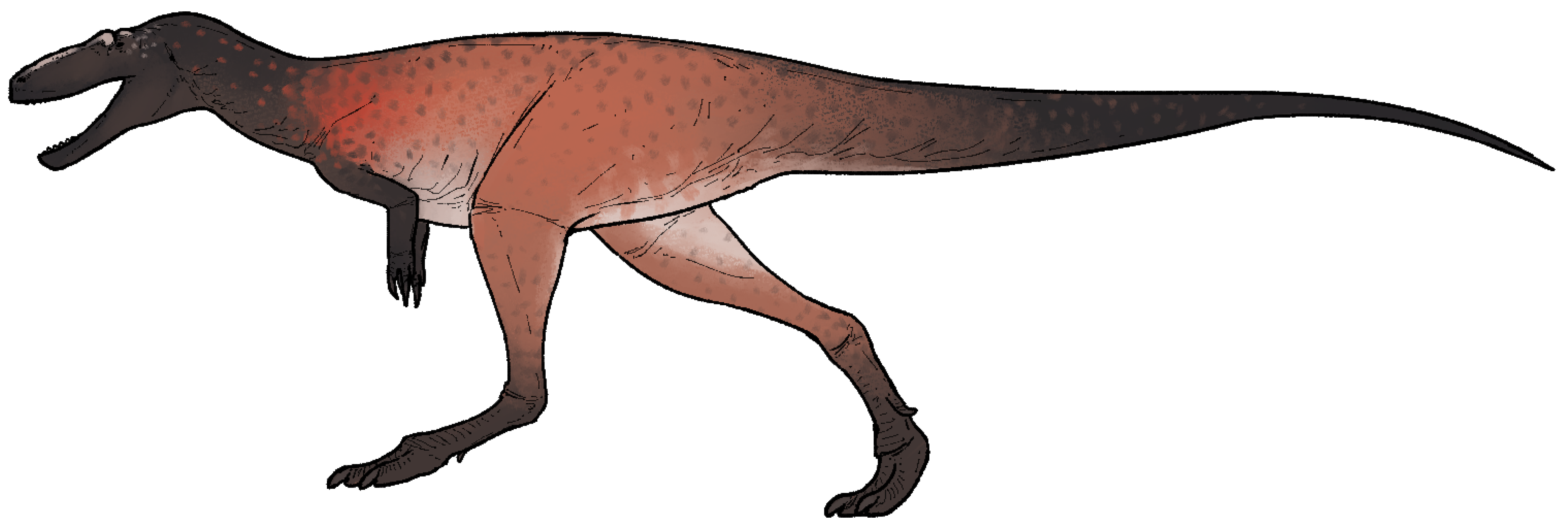
A medium-sized Mongolian tyrannosauroid that documents the gracile body plan near the evolutionary origin of the giant, deep-skulled tyrannosaurids.

carnivore~4 m

Cretaceous

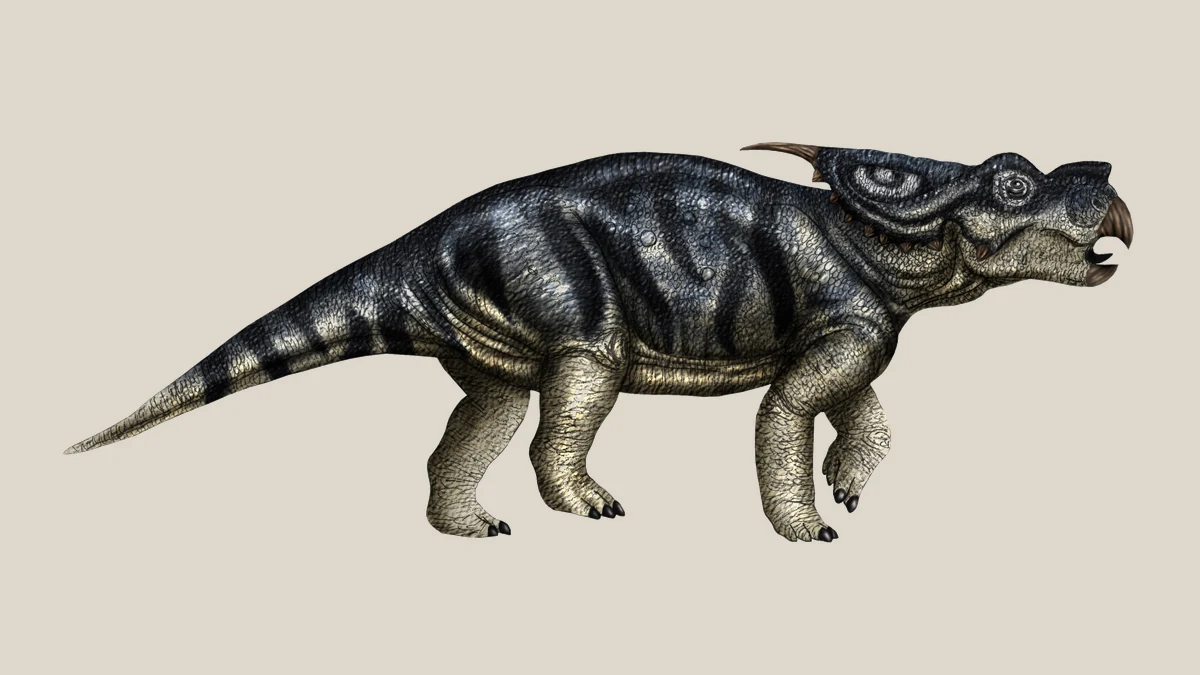
Kosmoceratops richardsoni

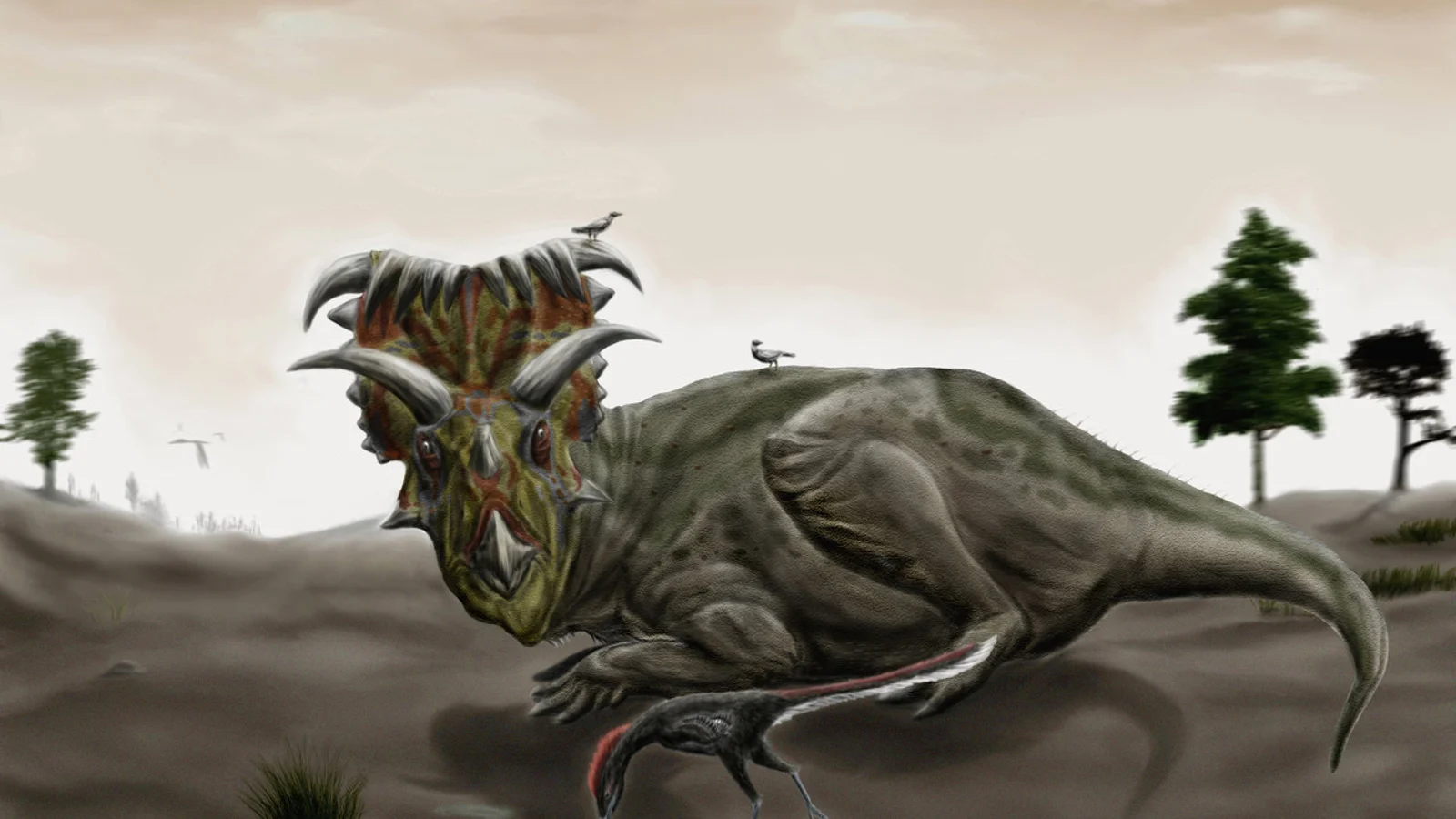
A spectacularly ornamented chasmosaurine from southern Utah, with a short broad frill edged by ten curved hooks and spikes.

herbivore~4.5 m

Cretaceous

Lambeosaurus lambei

A large Canadian duck-billed dinosaur with a distinctive hollow hatchet-shaped crest containing an intricate looping airway.

herbivore~8.5 m

Cretaceous

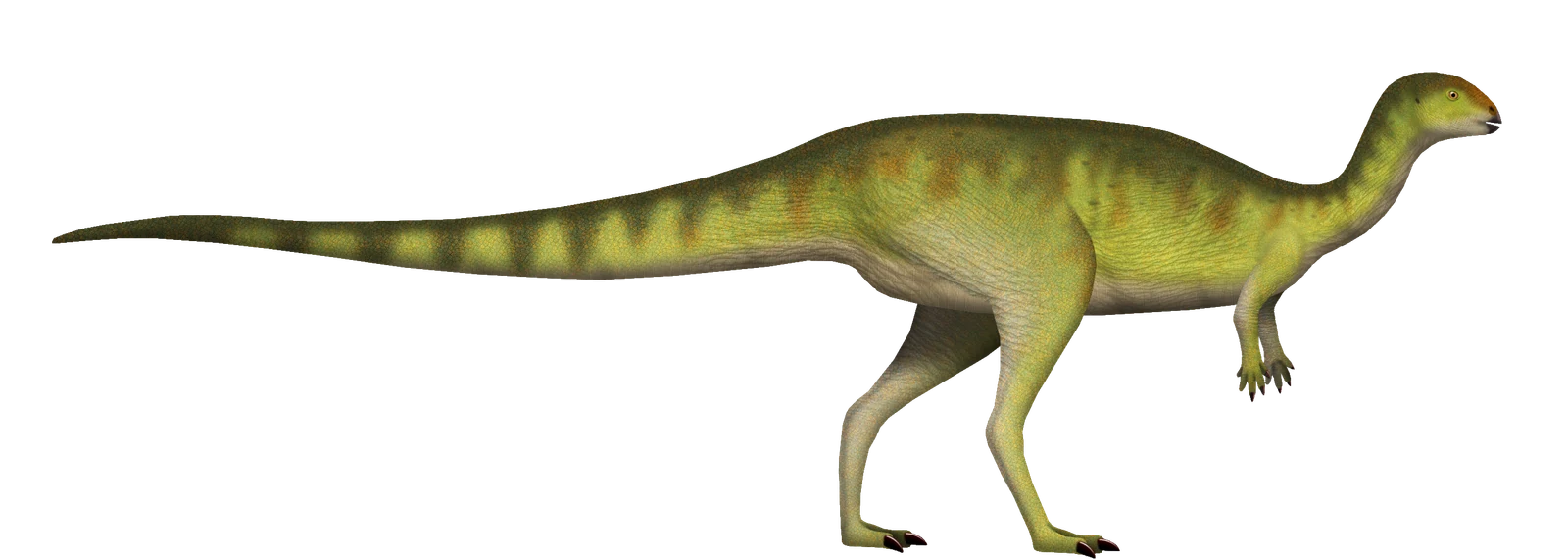
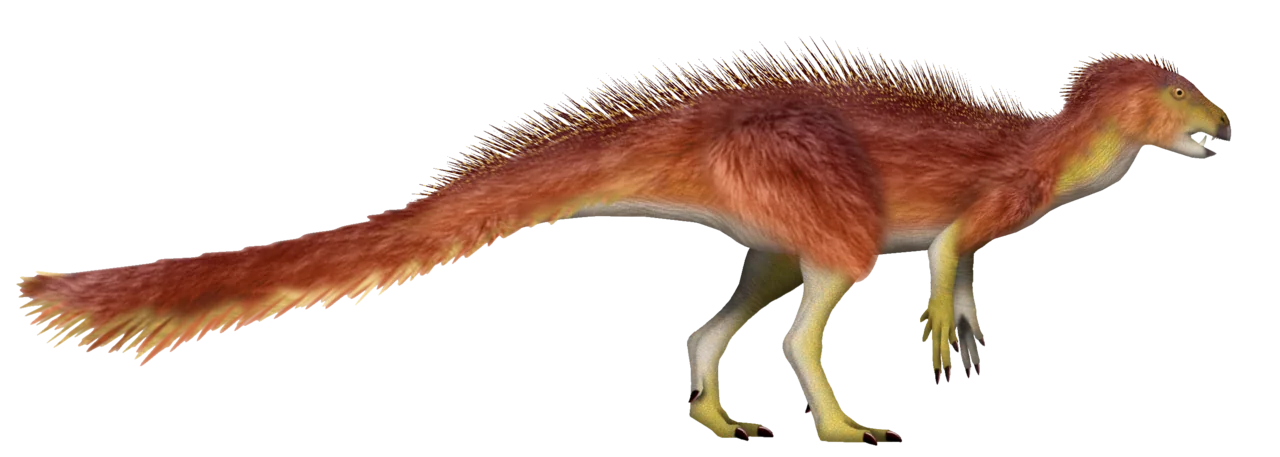
Leaellynasaura amicagraphica

A small Early Cretaceous ornithischian from polar southeastern Australia, securely known from limited skull material at Dinosaur Cove.

herbivore~1 m

Cretaceous

Maiasaura peeblesorum

A large Montana hadrosaur famous for colonial nesting grounds containing eggs, embryos and young of many ages, providing landmark evidence for prolonged dinosaur nest care.

herbivore~8.5 m

Cretaceous

Majungasaurus crenatissimus

A short-skulled Madagascan abelisaurid known from multiple skulls and skeletons, including bones bearing feeding marks made by its own species.

carnivore~6.5 m

Jurassic

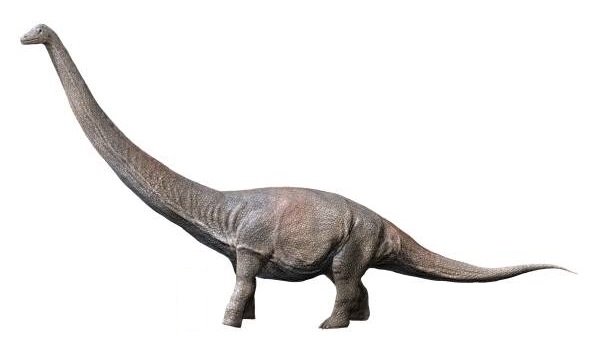
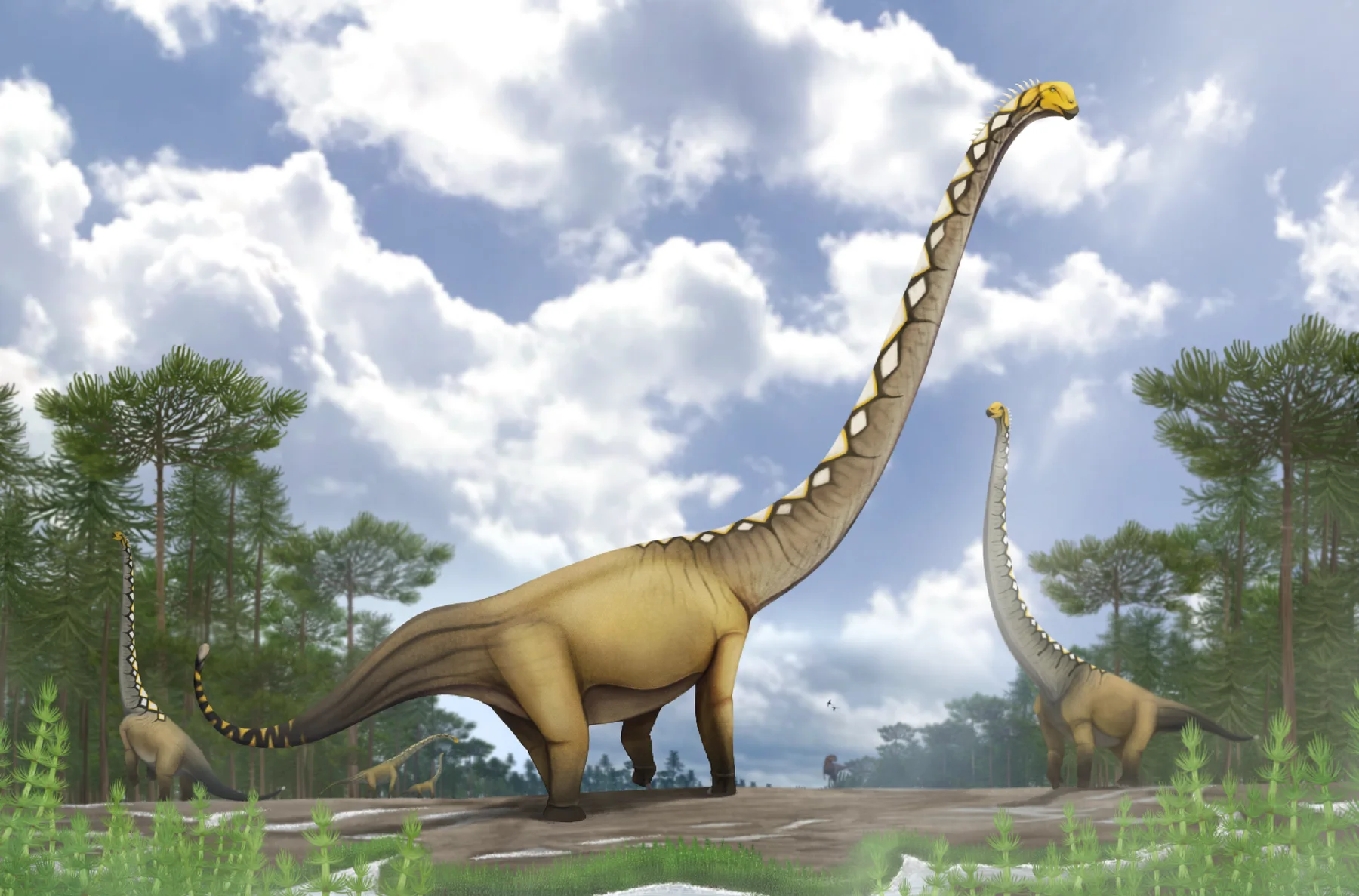
Mamenchisaurus hochuanensis

A nearly complete Chinese sauropod famous for a neck about 9.5 metres long, an exceptional cervical series and a small fused structure at the end of its tail.

herbivore~22 m

Cretaceous

Mapusaurus roseae

A giant Patagonian carcharodontosaurid represented by a remarkable bonebed containing several individuals of different sizes.

carnivore~11.5 m

Jurassic

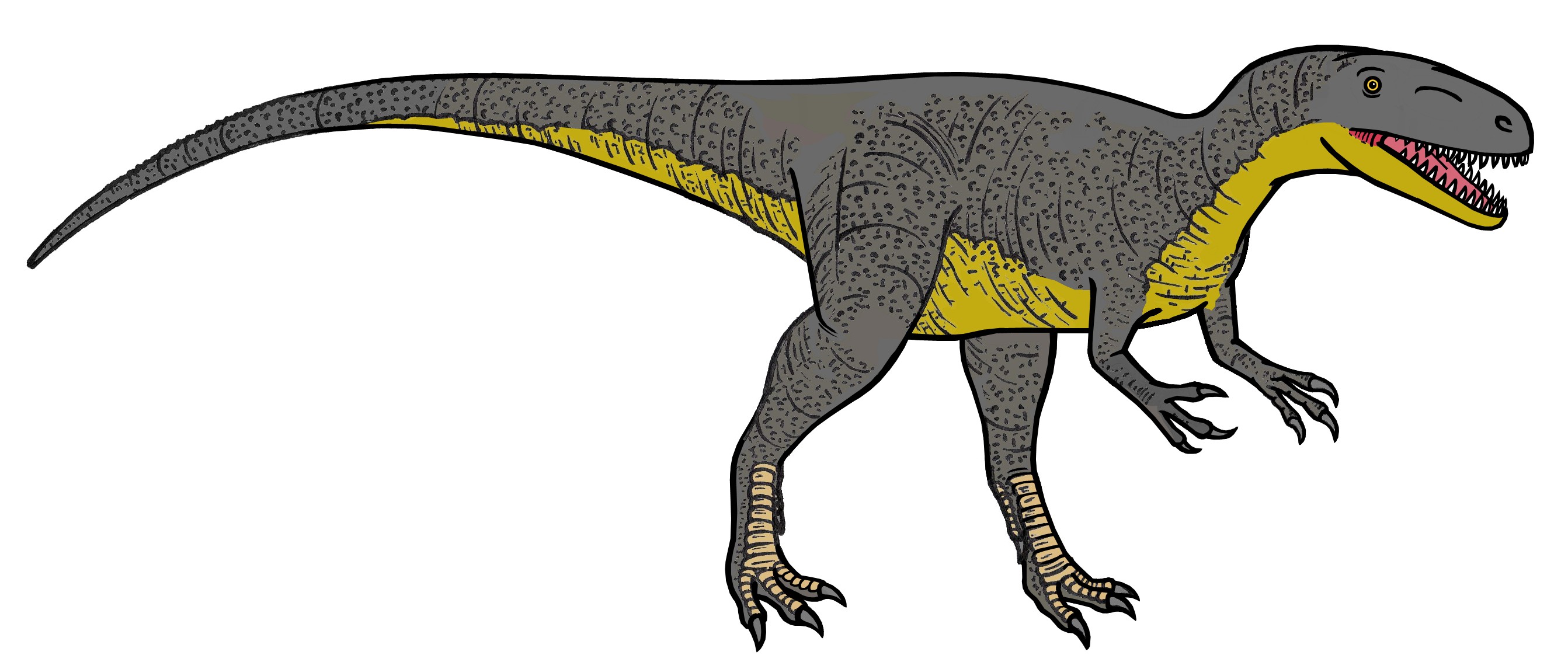
Megalosaurus bucklandii

The first non-avian dinosaur scientifically named: a large Middle Jurassic English predator known from a diagnostic lower jaw and scattered skeletal remains.

carnivore~6 m

Cretaceous

Mexidracon longimanus

A long-handed ornithomimid from northern Mexico whose metacarpals were unusually longer than its metatarsals, known from one headless partial skeleton.

omnivore~2.7 m

Cretaceous

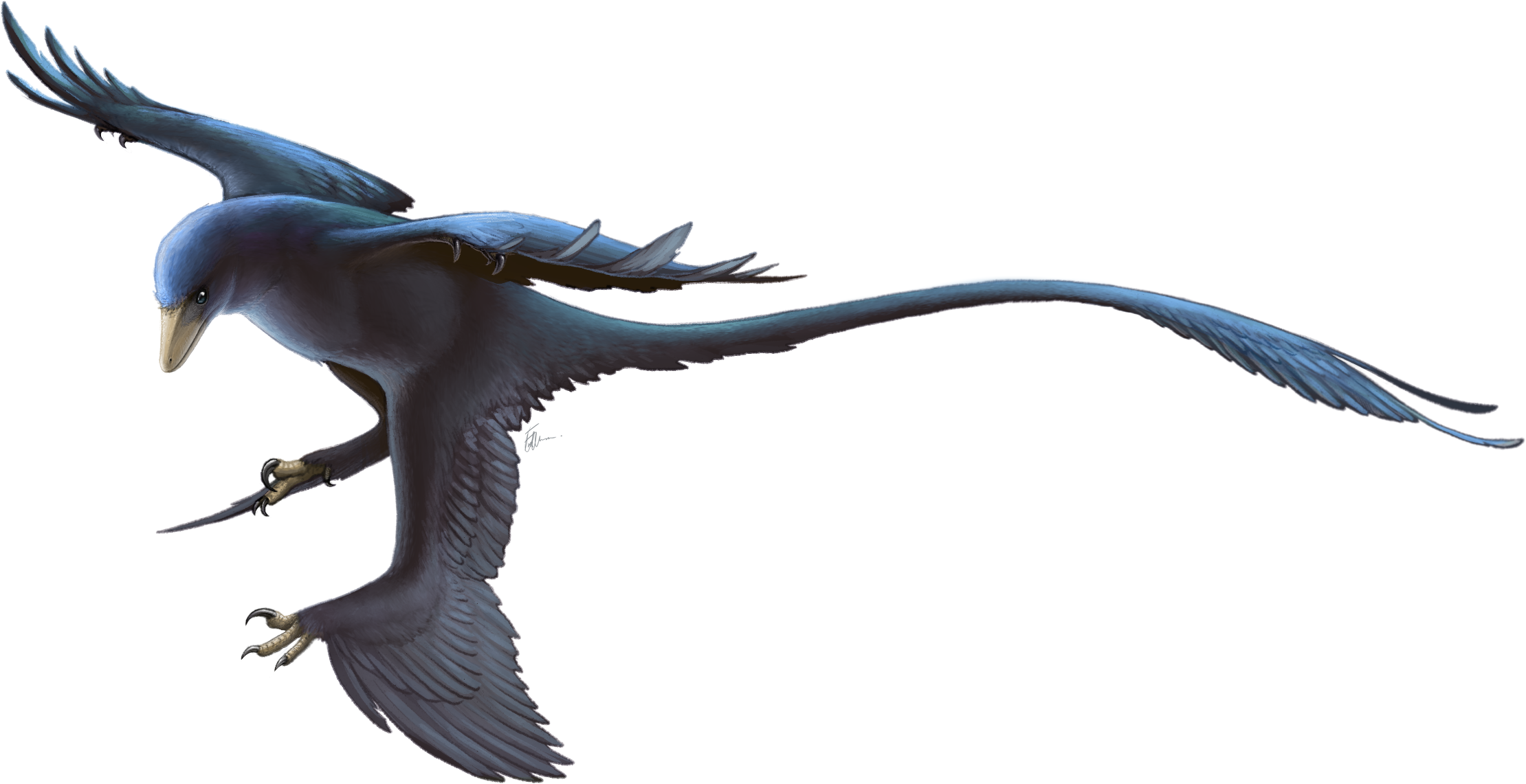
Microraptor gui

A crow-sized dromaeosaur with long flight feathers on all four limbs, a feathered tail fan and direct fossil evidence for glossy iridescent plumage.

carnivore~0.77 m

Jurassic

Miragaia longicollum

A Portuguese stegosaur with at least seventeen neck vertebrae—more than most sauropods and far more than its short-necked relatives.

herbivore~6.5 m

Cretaceous

Monoclonius crassus

A historically important but dubious centrosaurine name based on an incomplete frill bone from Montana and an original collection mixed from several animals.

herbivoreSize unknown

Jurassic

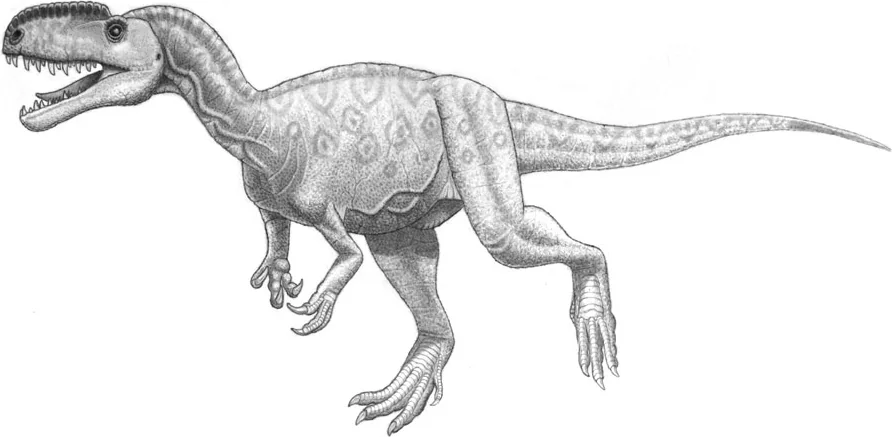
Monolophosaurus jiangi

A remarkably complete Middle Jurassic theropod from China with a single hollow crest running along the middle of its skull.

carnivore~5.5 m

Triassic

Musango matusadonaensis

A newly named, nearly grown Late Triassic sauropodomorph from Zimbabwe, known from a skull-less partial skeleton that survived a serious injury or infection.

herbivore~4.5 m

Cretaceous

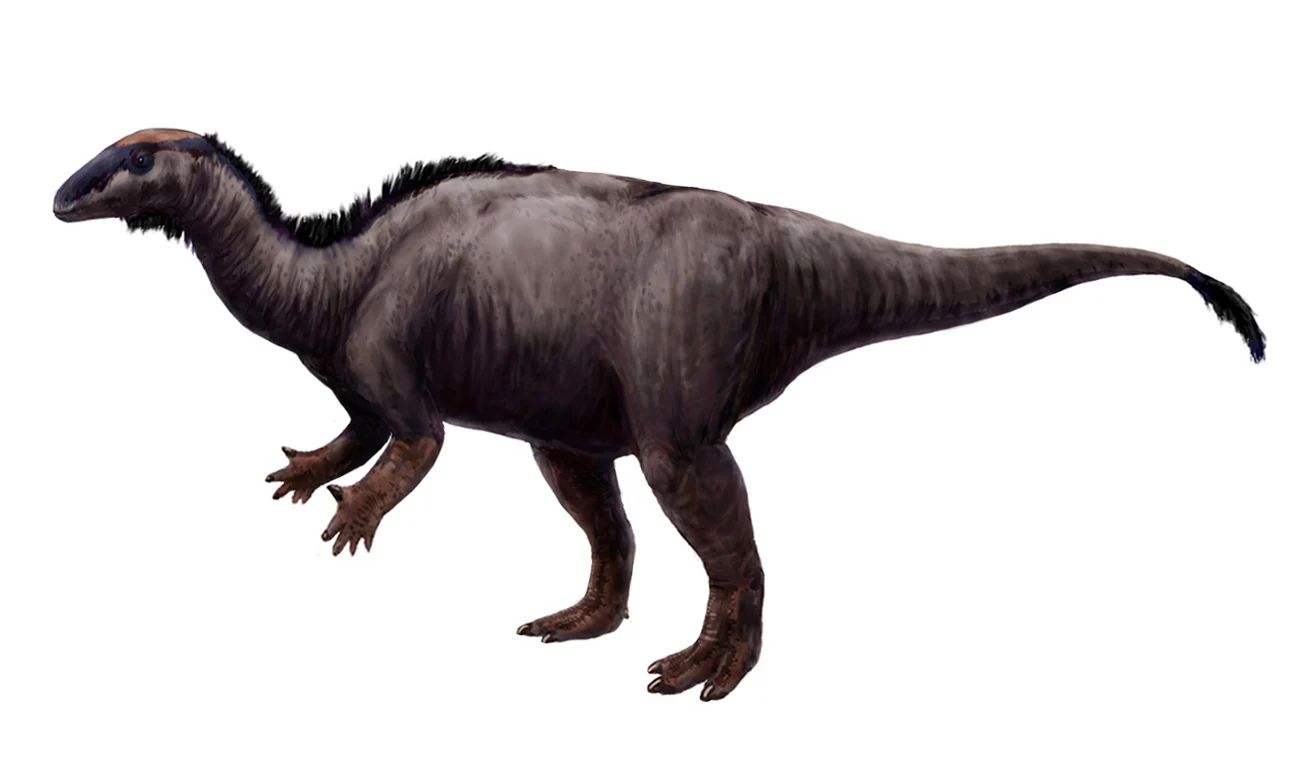
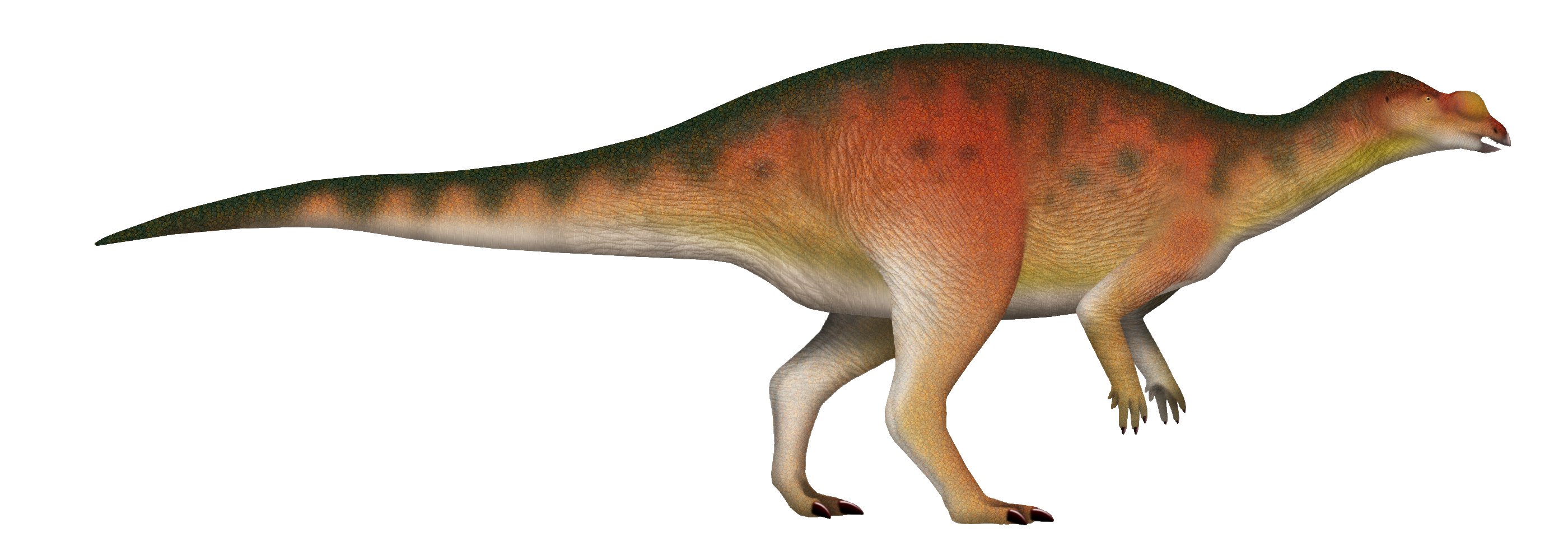
Muttaburrasaurus langdoni

An iconic Australian ornithopod with an inflated muzzle, a remarkably complete type skeleton and a newly reconstructed skull shaped by CT scanning and fresh quarry finds.

herbivore~7.5 m

Cretaceous

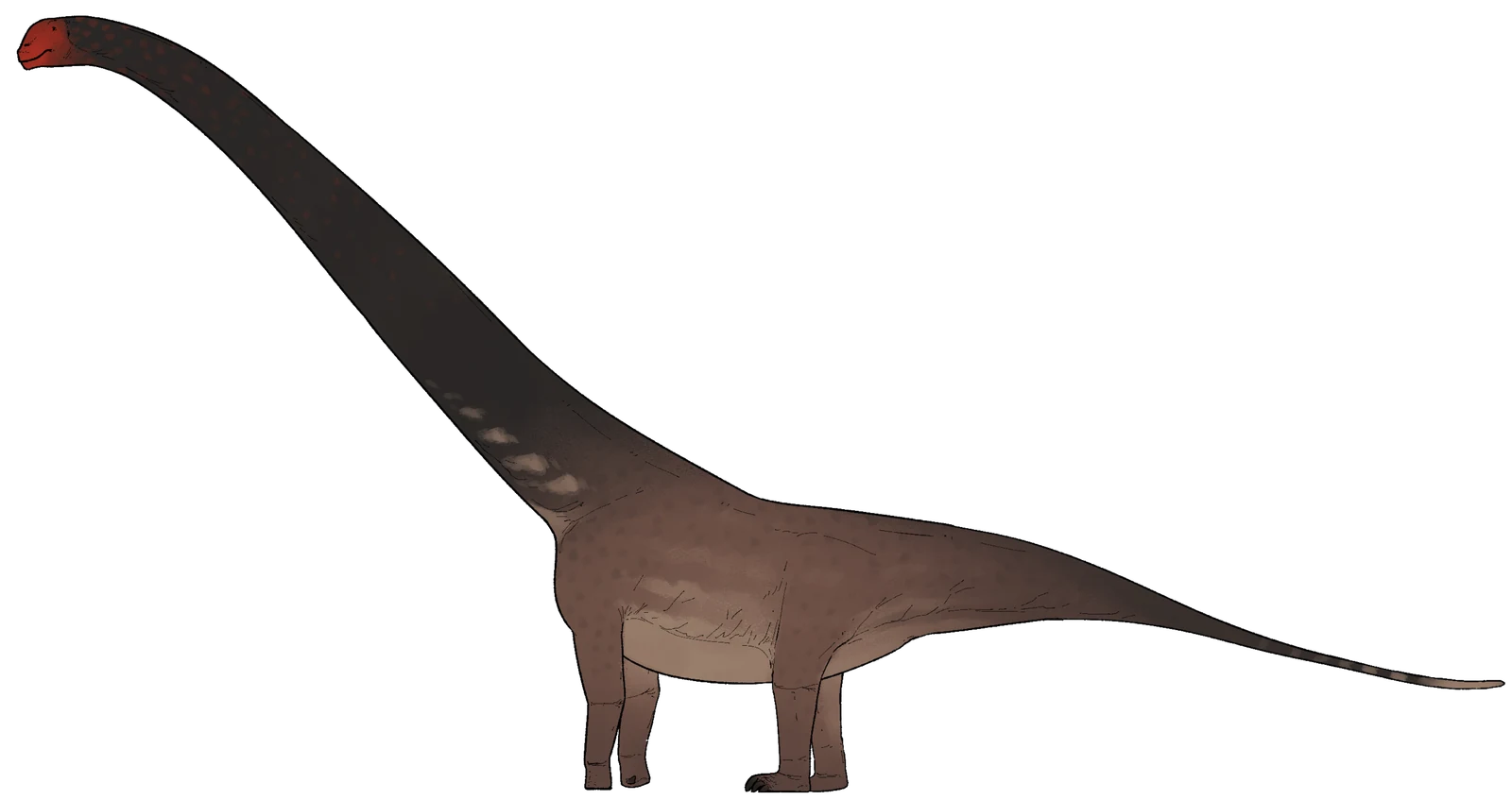
Nagatitan chaiyaphumensis

A gigantic Early Cretaceous sauropod from Thailand, represented by an associated partial skeleton and estimated at about 27 metres and 27 tonnes.

herbivore~27 m

Cretaceous

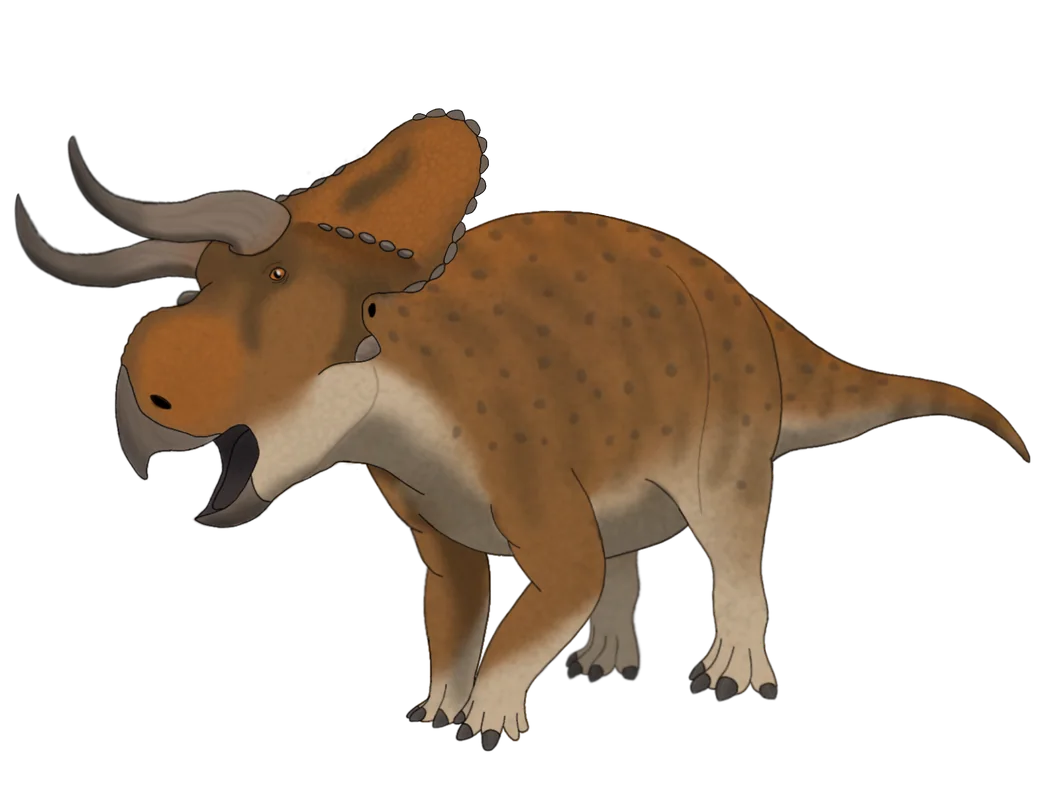
Nasutoceratops titusi

A Utah centrosaurine with an oversized nose, remarkably long forward-curving brow horns and a comparatively simple rounded frill.

herbivore~4.5 m

Cretaceous

Neovenator salerii

A large Early Cretaceous allosauroid from the Isle of Wight, represented by much of the skeleton and a remarkably complex sensory network inside its snout.

carnivore~7.5 m

Cretaceous

Nigersaurus taqueti

A small, short-necked sauropod with a broad downturned muzzle, extremely delicate skull and more than 500 continually replacing teeth.

herbivore~9 m

Cretaceous

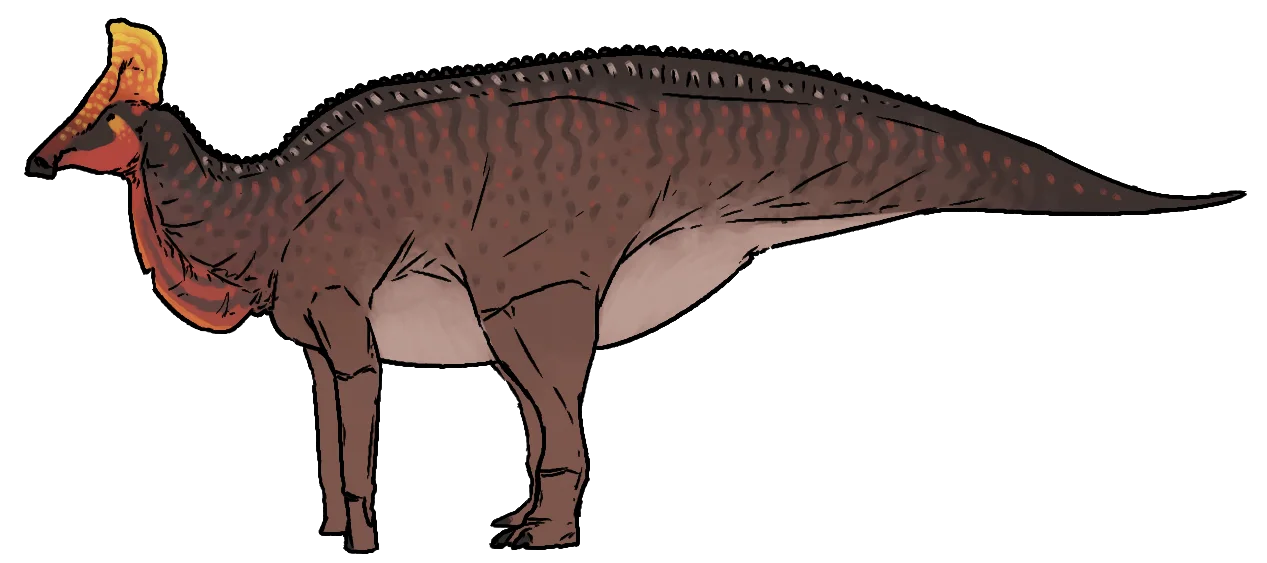
Olorotitan arharensis

An exceptionally complete hollow-crested hadrosaur from Far Eastern Russia, recognised by its tall helmet-like crest and unusually long neck.

herbivore~8 m

Cretaceous

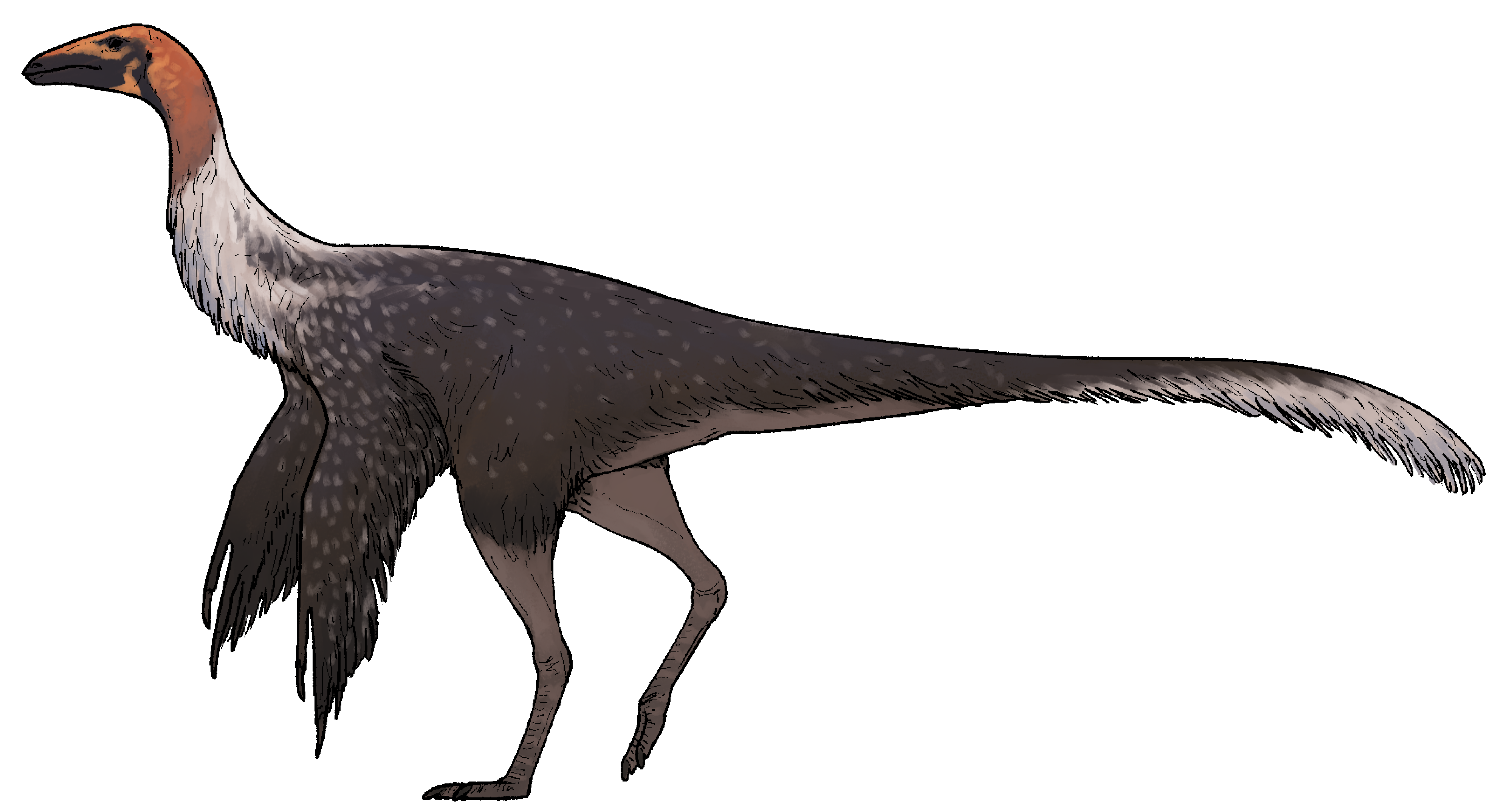
Ornithomimus edmontonicus

A long-legged Canadian ornithomimid known from complete skeletons and fossils preserving a shaggy coat and adult wing-like arm feathers.

omnivore~3.8 m

Cretaceous

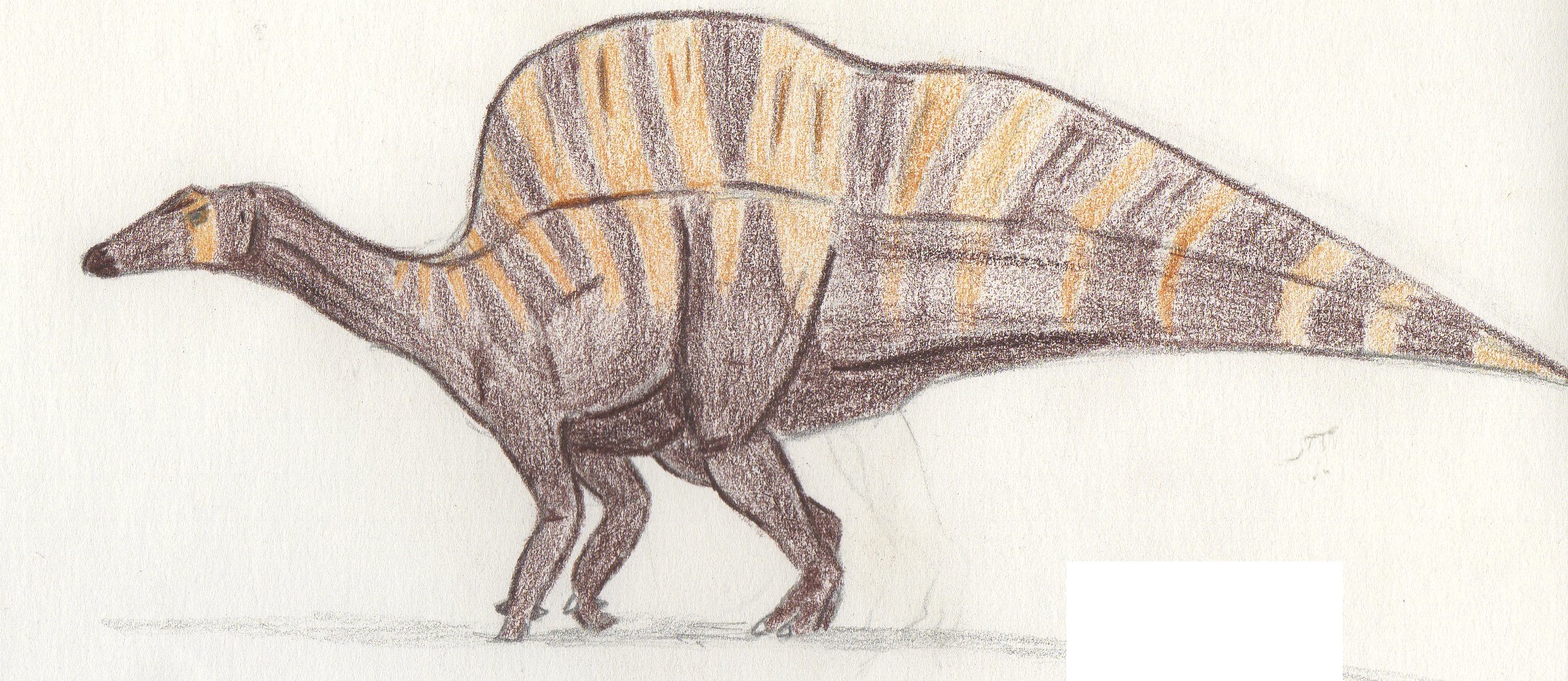
Ouranosaurus nigeriensis

A large, deep-bodied iguanodontian from Niger with a broad beak, thumb spikes and a spectacular row of elongated vertebral spines.

herbivore~7.5 m

Cretaceous

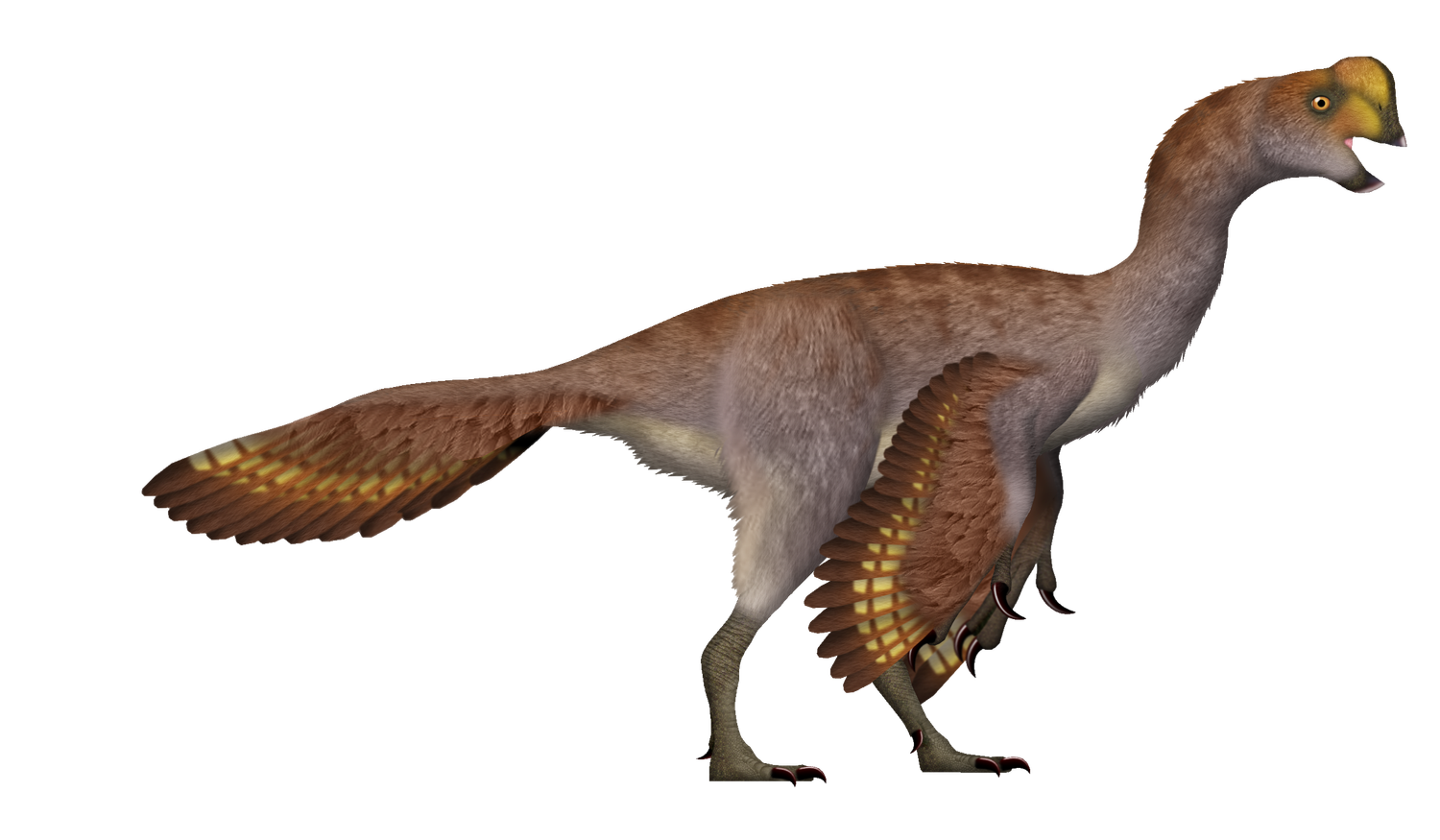
Oviraptor philoceratops

A small, toothless and probably feathered Mongolian theropod named as an egg thief after it was found above a nest. Embryos discovered decades later showed that the same egg type belonged to oviraptorids.

omnivore~1.8 m

Cretaceous

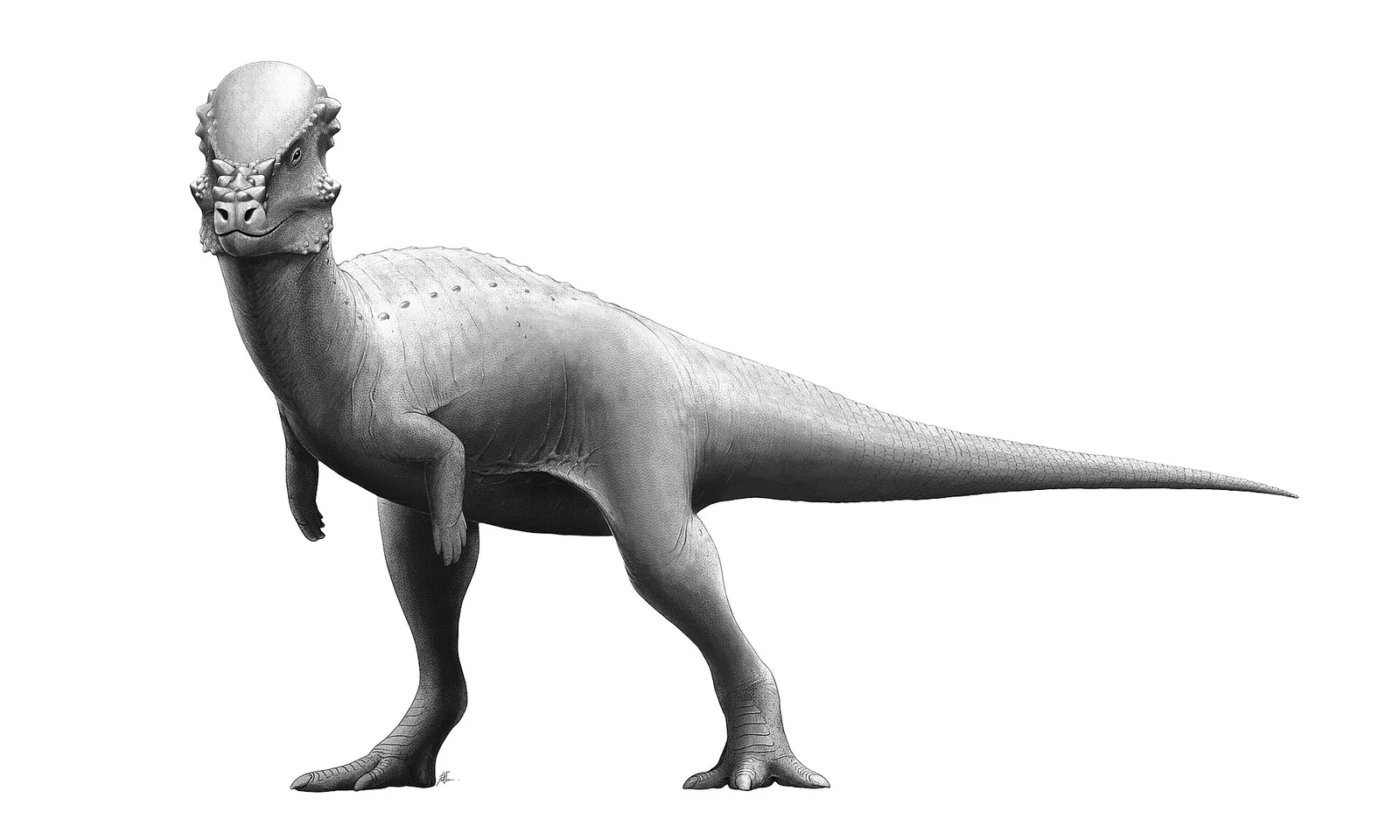
Pachycephalosaurus wyomingensis

The largest well-known dome-headed dinosaur, from the latest Cretaceous of the western United States. Adult skulls carry a massive rounded dome and a fringe of blunt nodes, but much of the body remains reconstructed from incomplete skeletons and close relatives.
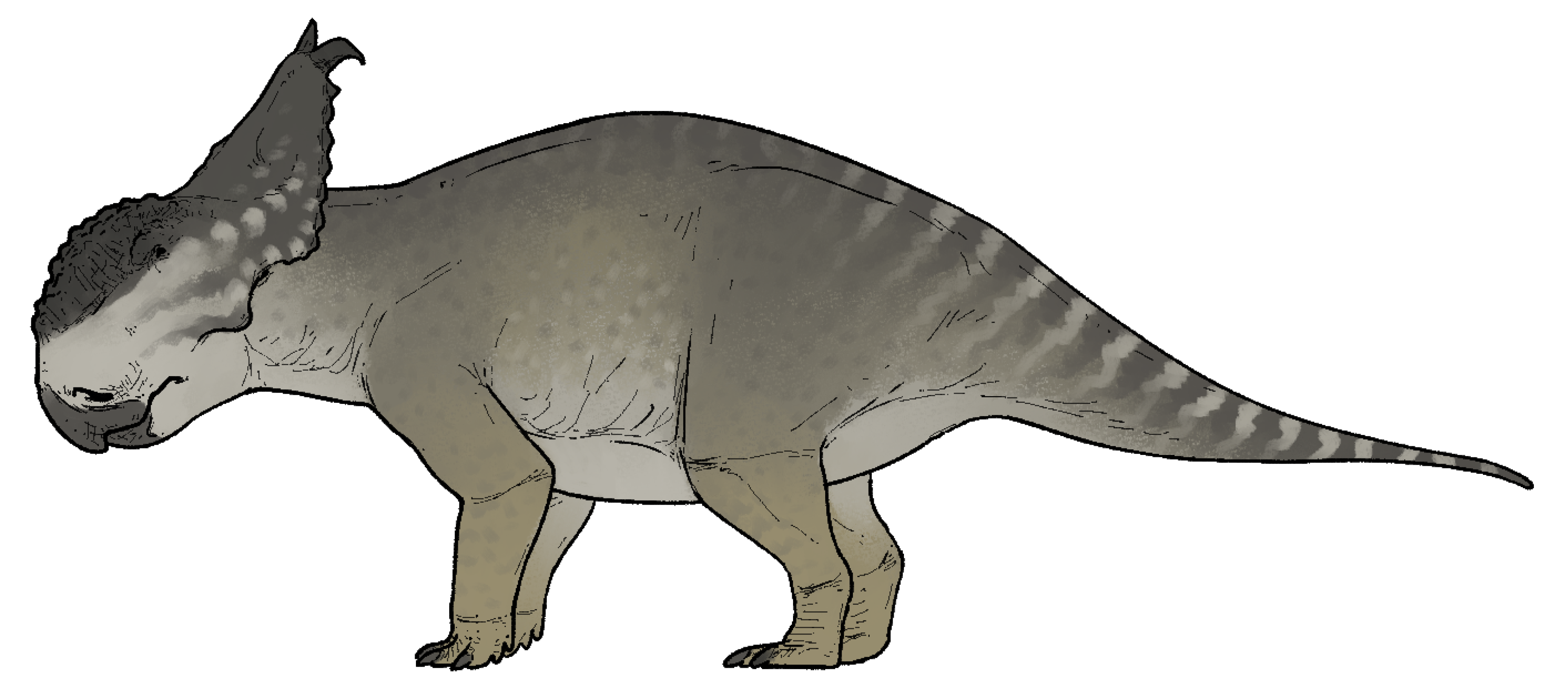
herbivore~4.5 m

Cretaceous

Pachyrhinosaurus canadensis

A large Canadian centrosaurine whose nose carried a broad roughened boss instead of a conventional horn, known from multiple partial skulls and regional bonebeds.

herbivore~6 m

Cretaceous

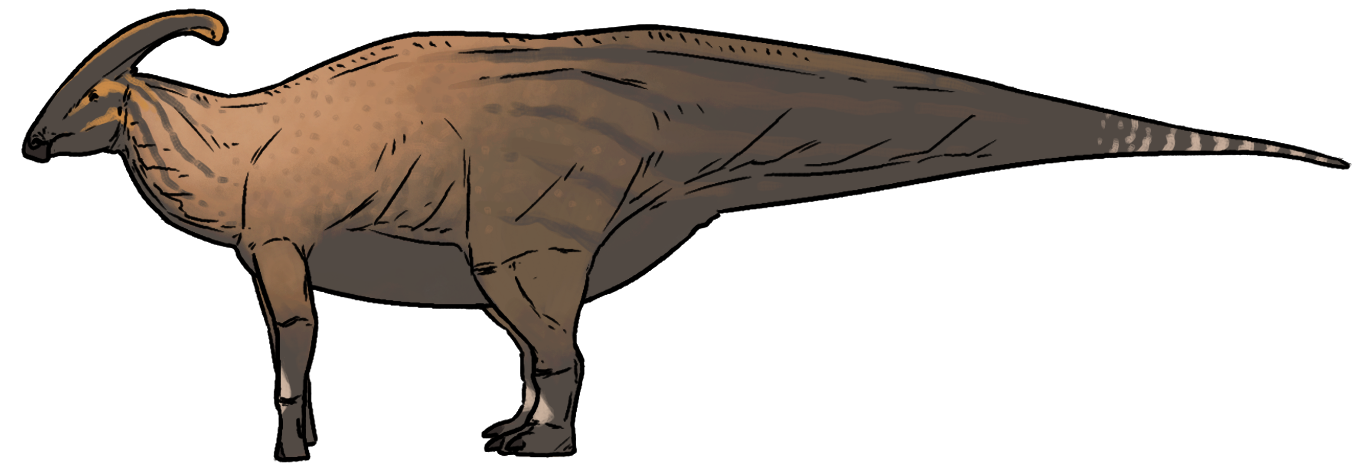
Parasaurolophus walkeri

A rare Canadian hadrosaur with a long, backward-projecting tubular crest. Its exceptionally important holotype preserves a complete skull and a partial skeleton, including healed injuries that the animal survived.

herbivore~9 m

Triassic

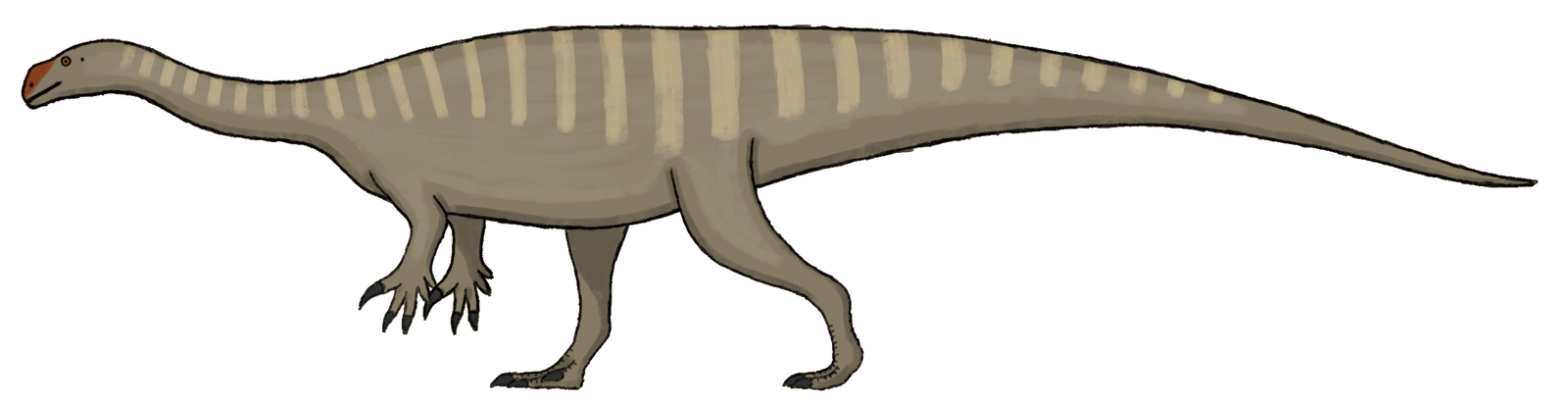
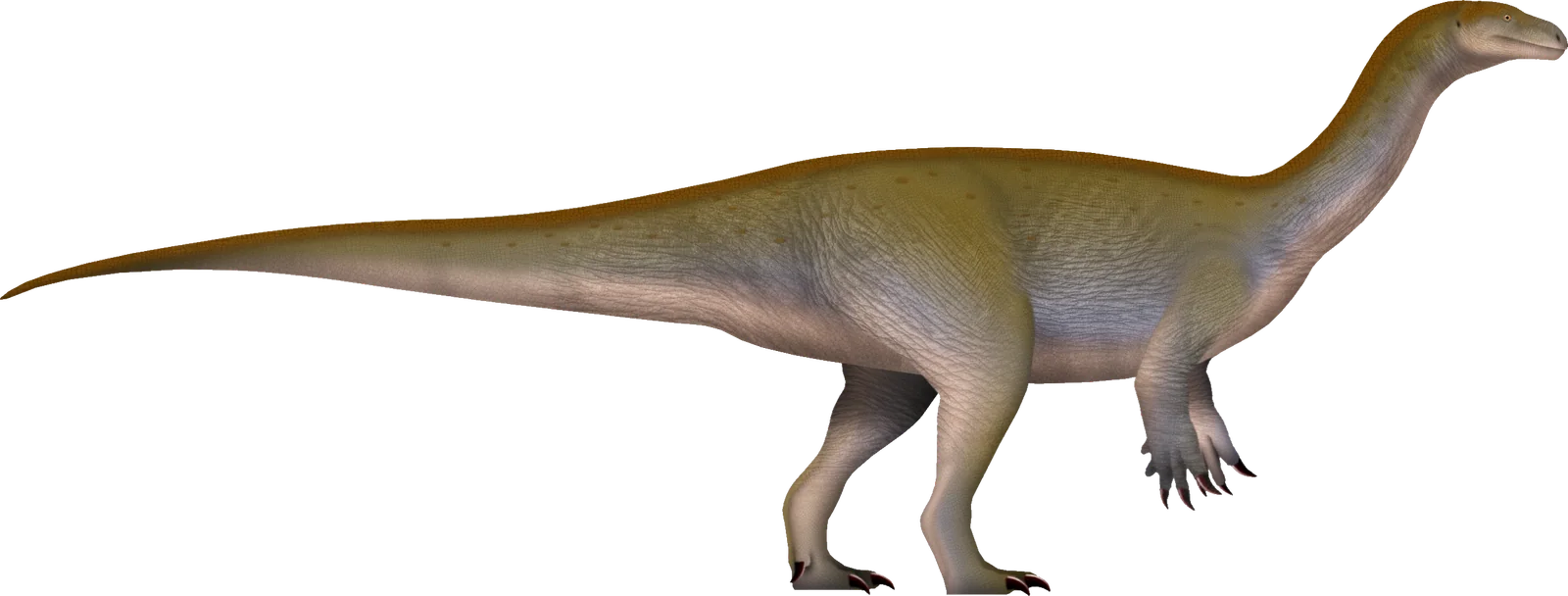
Plateosaurus trossingensis

A large, obligately bipedal Late Triassic herbivore known from exceptionally complete European skeletons. Its holotype, growth record and healed injuries make it a cornerstone for understanding early sauropodomorphs.

herbivore~6.7 m

Cretaceous

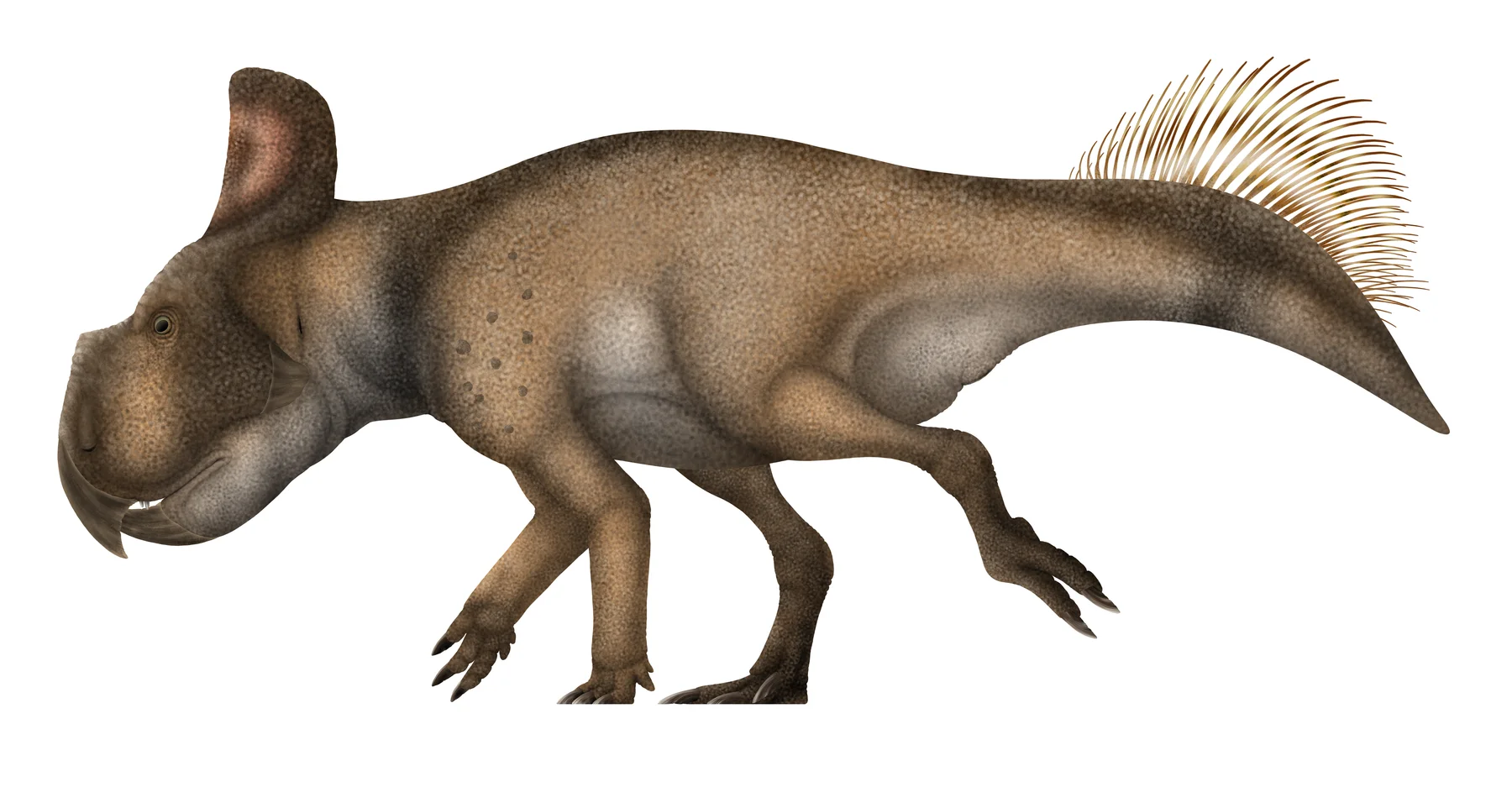
Protoceratops andrewsi

A sheep- to pig-sized, four-legged ceratopsian from Mongolia’s Late Cretaceous dune fields, known from abundant skulls and skeletons, a juvenile nest and the extraordinary ‘Fighting Dinosaurs’ fossil.

herbivore~2 m

Cretaceous

Rajasaurus narmadensis

A stoutly built Indian abelisaurid known from an associated partial skeleton with a thickened skull roof and distinctive low median horn.

carnivore~6.6 m

Cretaceous

Rubeosaurus ovatus

A disputed name for a partial centrosaurine frill from Montana, variously treated as Rubeosaurus, a second Styracosaurus species or Styracosaurus albertensis.

herbivore~5.5 m

Cretaceous

Saltasaurus loricatus

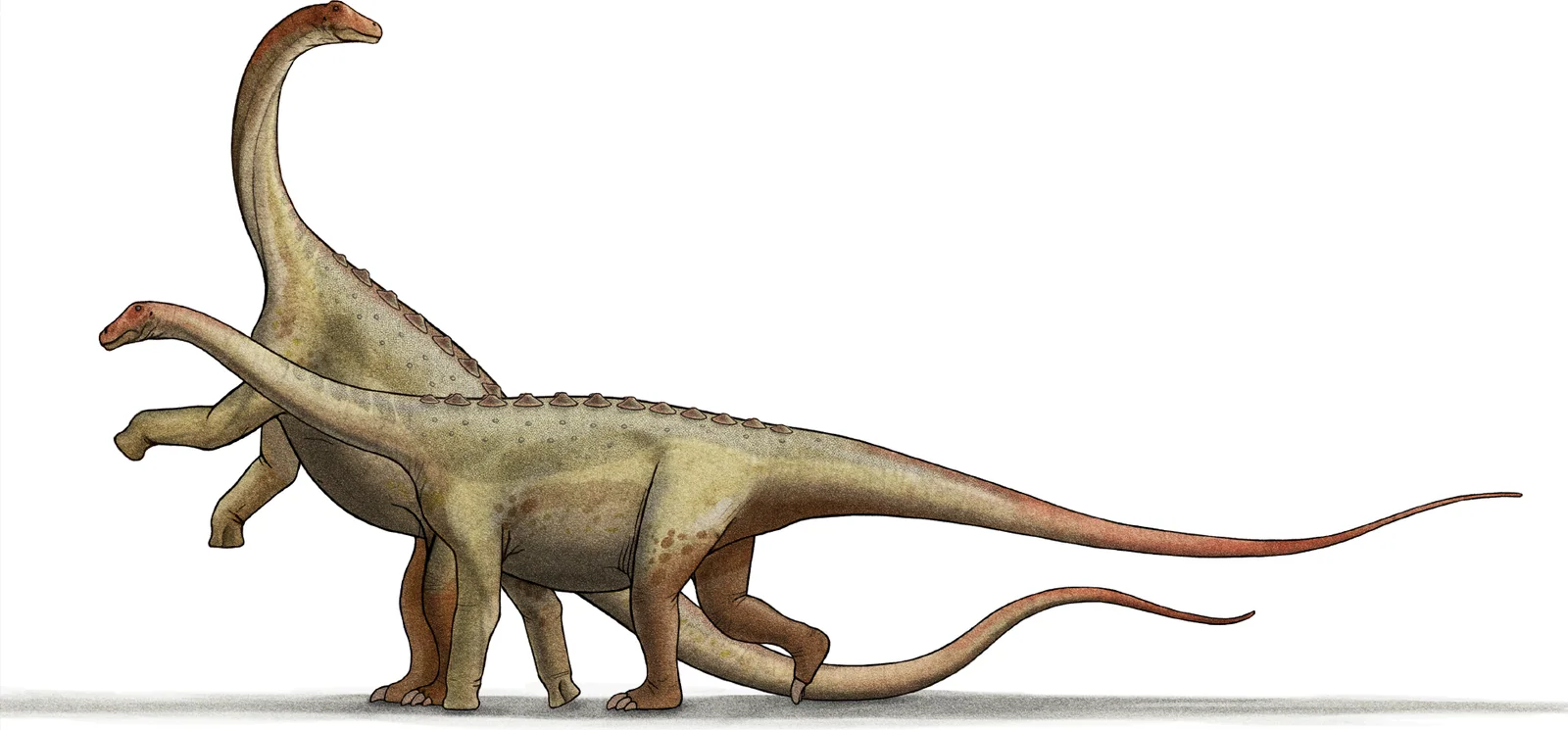
A compact Late Cretaceous titanosaur from Argentina whose associated bony plates and small dermal ossicles proved that some sauropods carried armour.

herbivore~7 m

Cretaceous

Saurolophus osborni

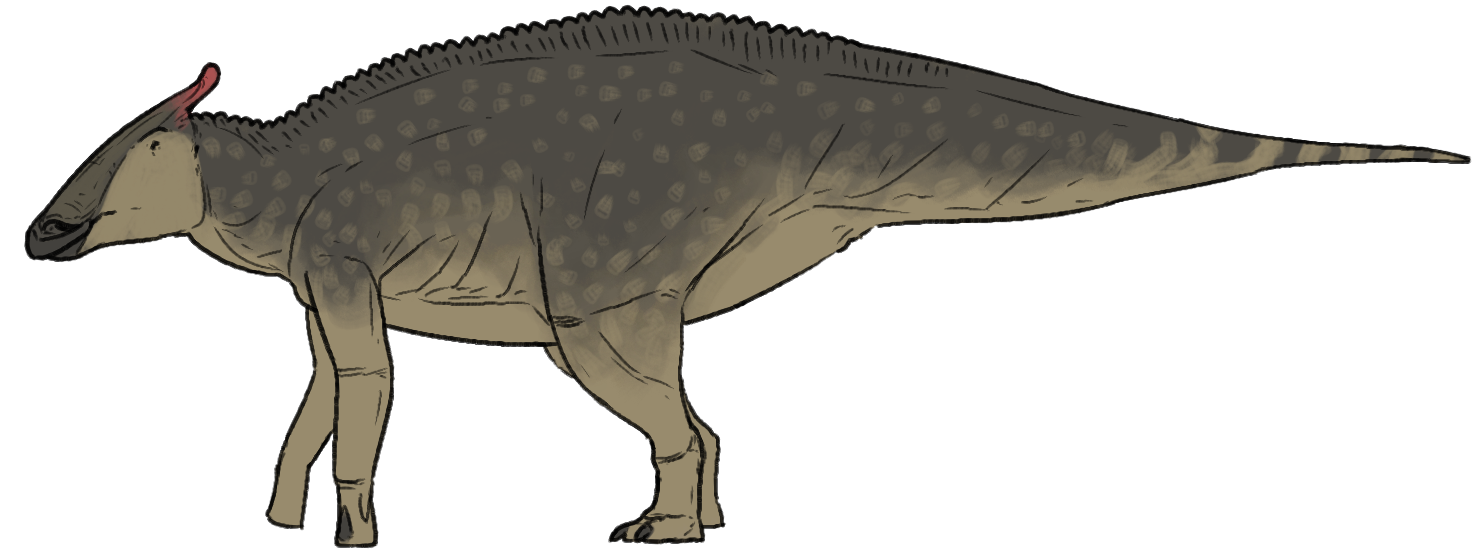
A large Canadian duck-billed dinosaur known from a nearly complete skeleton, a solid backward-pointing crest and patches of fossilised skin.

herbivore~9 m

Cretaceous

Sauropelta edwardsorum

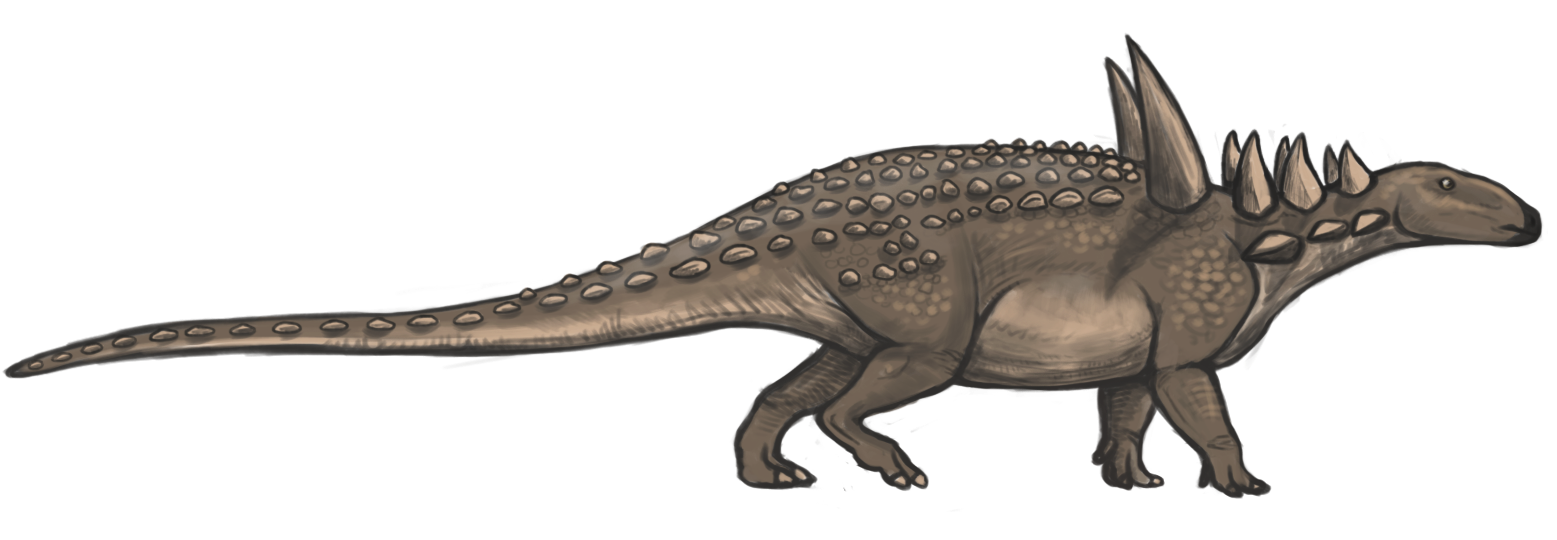
A heavily armored Cloverly nodosaur with rows of bony plates and enormous paired spines projecting from its shoulders.

herbivore~6.5 m

Jurassic

Scelidosaurus harrisonii

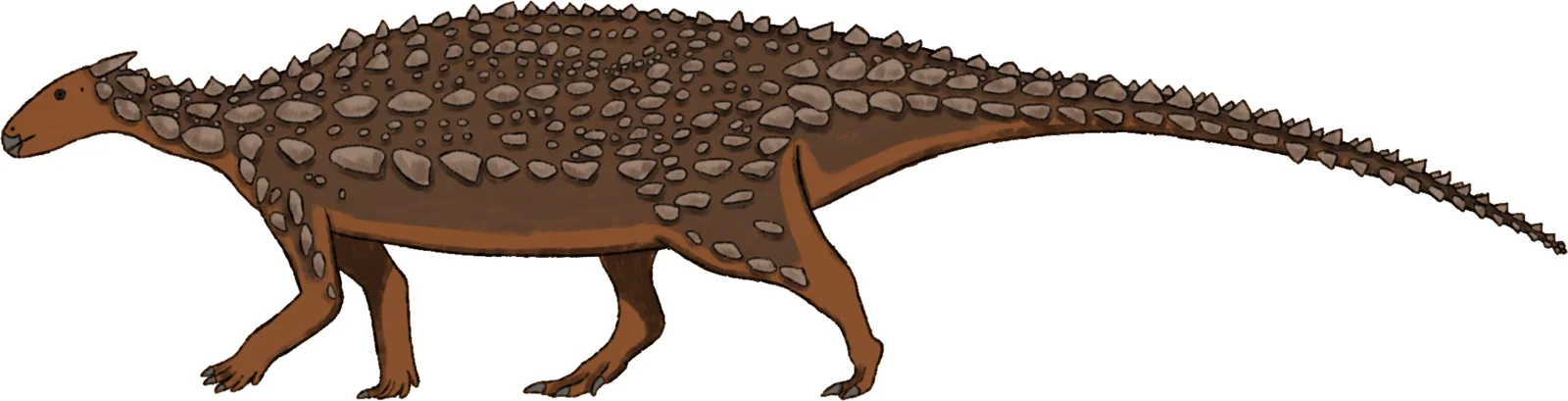
A remarkably complete Early Jurassic armoured dinosaur from Dorset with rows of keeled plates, small spikes and a skull sheathed in keratinous scutes.

herbivore~4 m

Cretaceous

Sinoceratops zhuchengensis

The first named ceratopsid from China, distinguished by a large skull ringed with numerous curved frill processes.

herbivore~6 m

Cretaceous

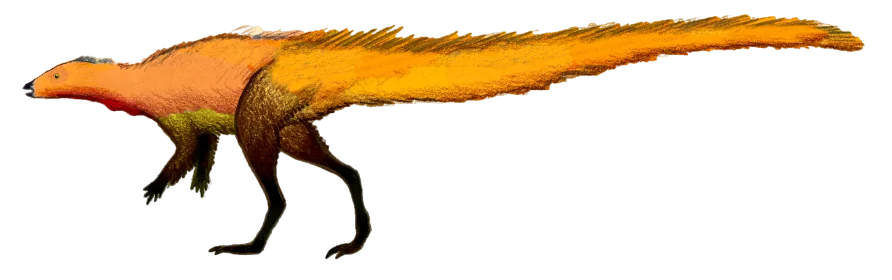
Sinosauropteryx prima

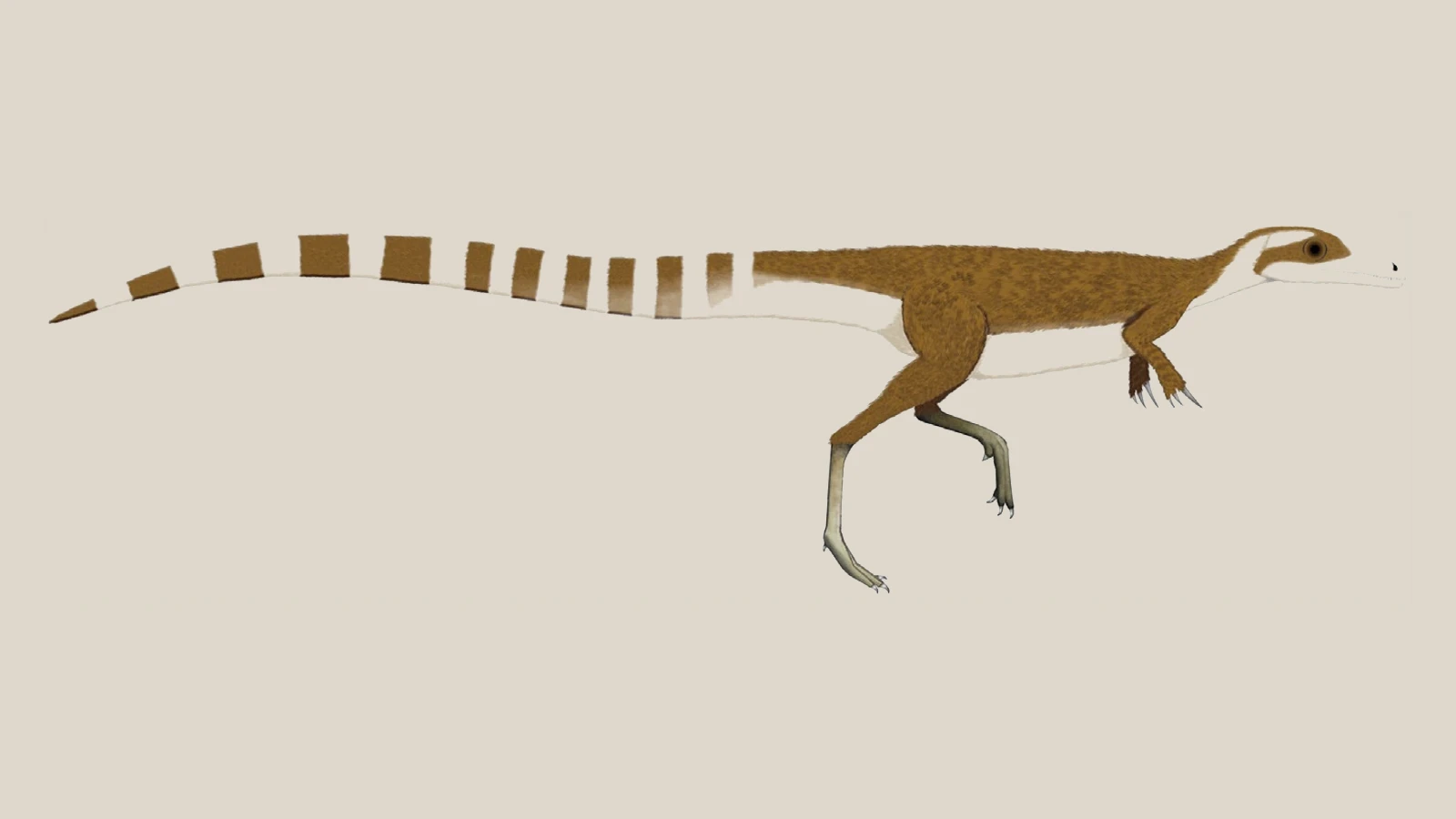
A small Jehol coelurosaur whose articulated fossils preserve simple filamentous feathers, gut contents and a striped, countershaded colour pattern.

carnivore~1.1 m

Cretaceous

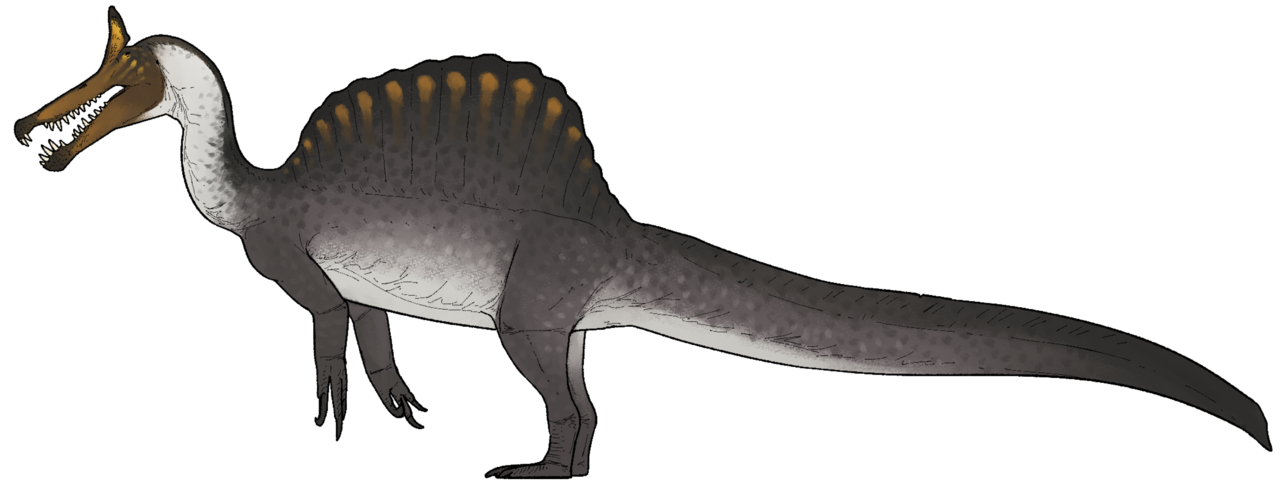
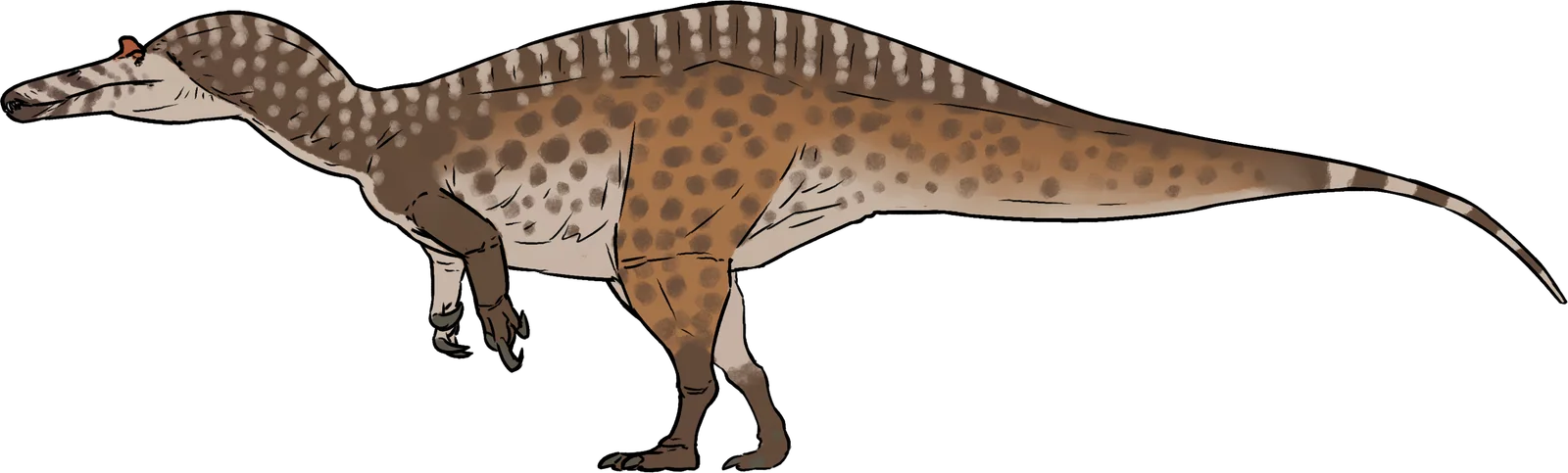
Spinosaurus aegyptiacus

A giant North African spinosaurid with an elongated, narrow snout, conical teeth, towering neural spines and a deep, fin-like tail. How much time it spent swimming remains actively debated.

carnivore~14 m

Cretaceous

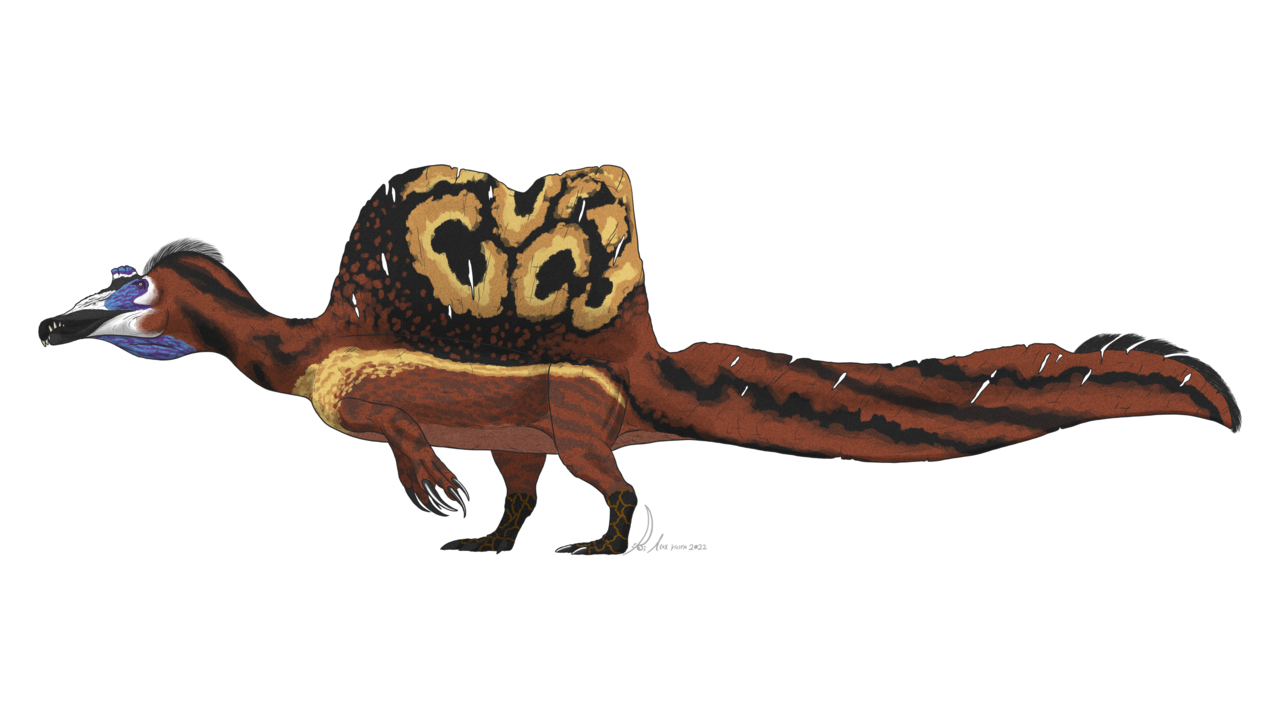
Spinosaurus mirabilis

A newly named Spinosaurus species from Niger, recognised by a tall, scimitar-shaped crest above the skull roof. It is known only from immature, incomplete individuals.

carnivore~8 m

Jurassic

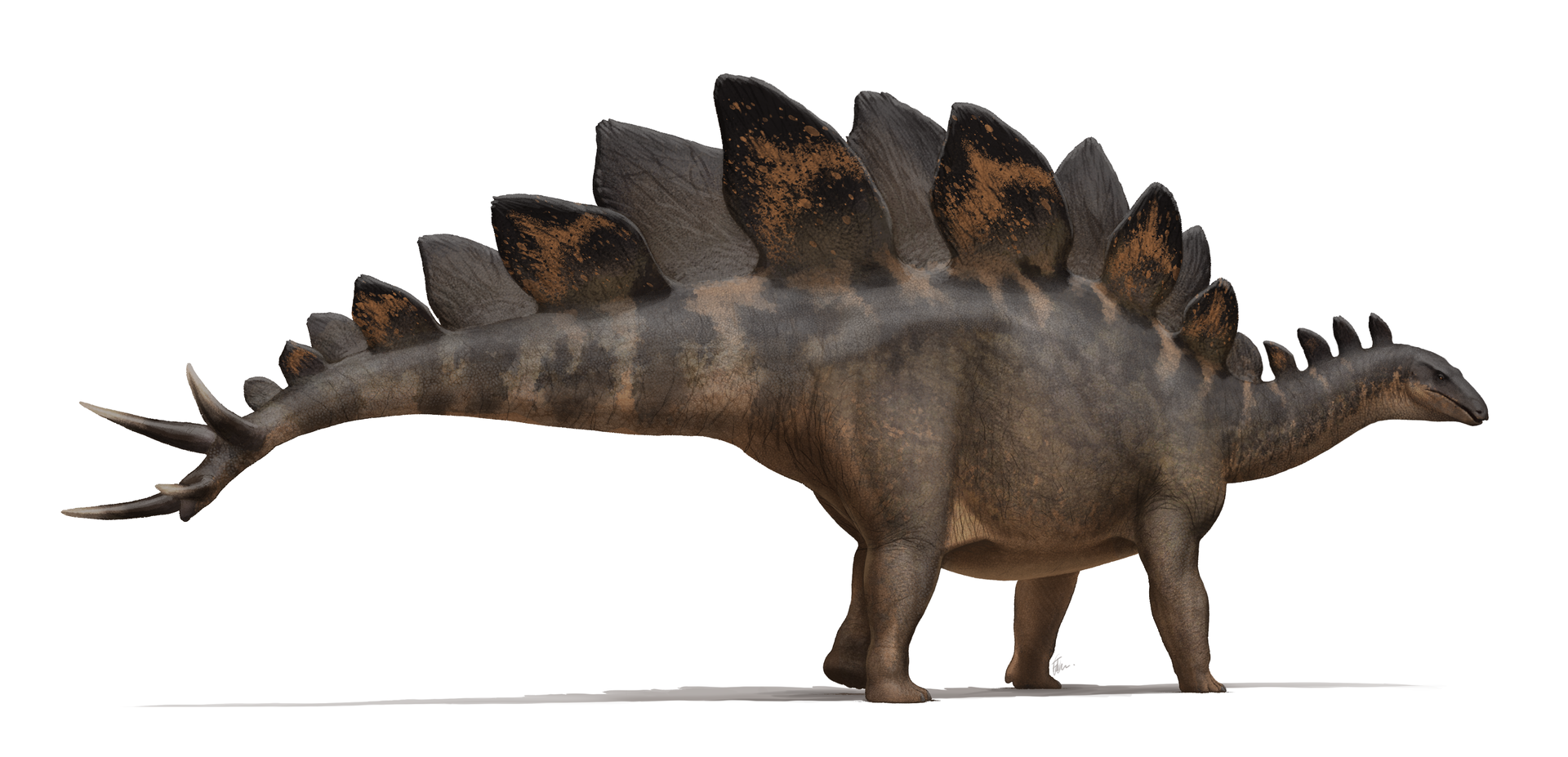
Stegosaurus stenops

The best-known plated dinosaur: a low-browsing Morrison Formation herbivore with two rows of tall back plates and four formidable tail spikes. Its exceptionally complete holotype preserves rare details including a skull and throat ossicles.

herbivore~6.8 m

Cretaceous

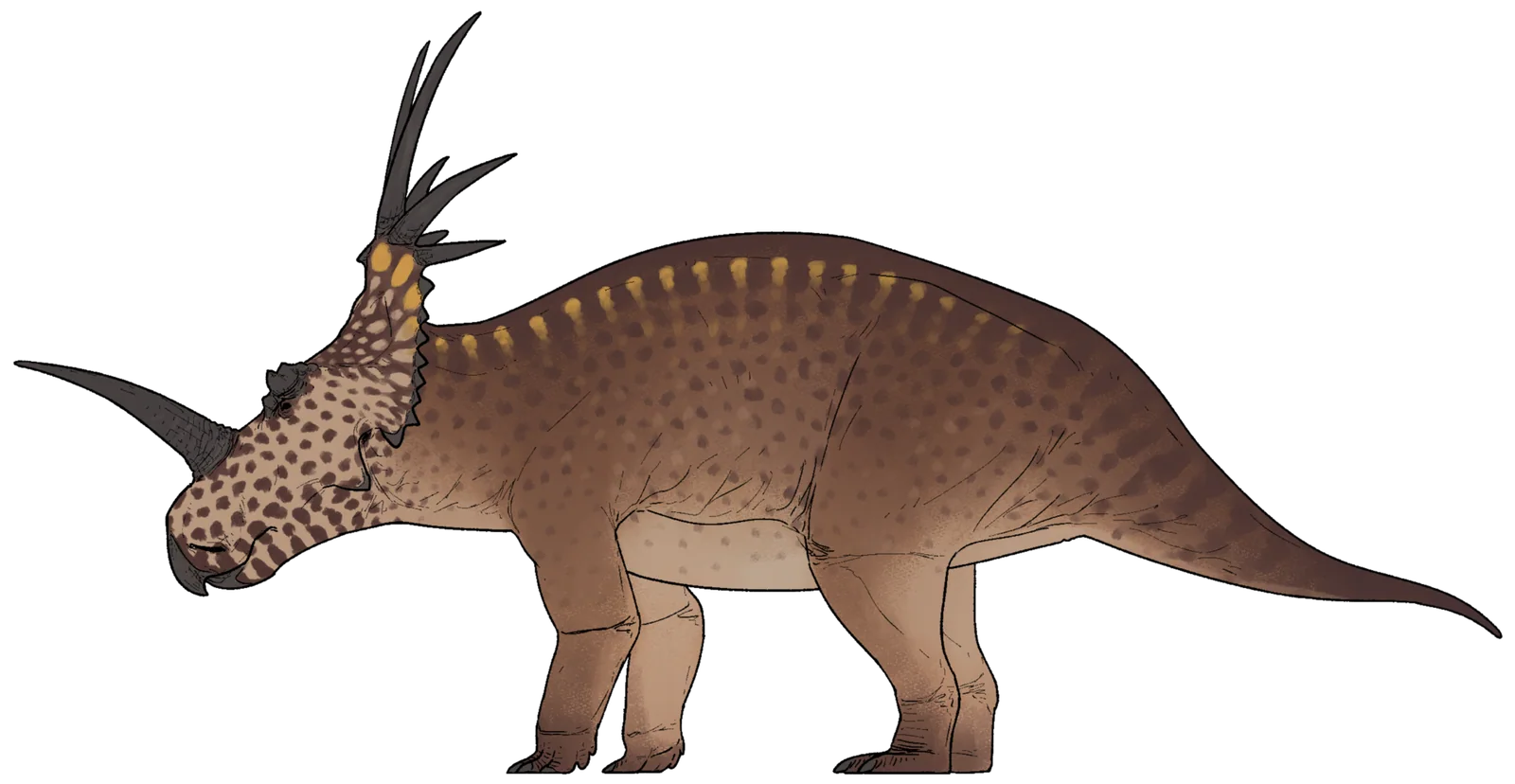
Styracosaurus albertensis

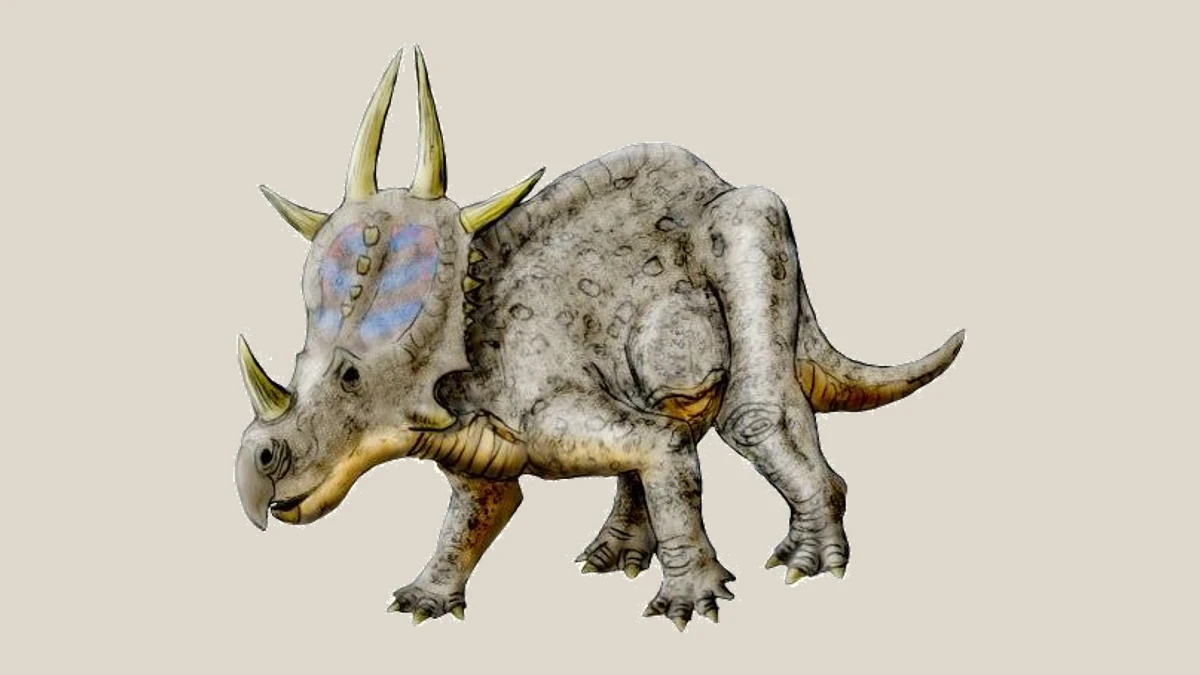
A centrosaurine horned dinosaur from the upper Dinosaur Park Formation, distinguished by a huge nasal horn and long spikes around its frill. Several skulls show that the celebrated frill pattern varied—and could be strongly asymmetric—between individuals.
herbivore~5.5 m

Cretaceous

Suchomimus tenerensis

A large, long-snouted spinosaurid from Early Cretaceous Niger with conical teeth, powerful forelimbs, an enlarged thumb claw and a low sail over its hips.

carnivore~11 m

Cretaceous

Tarbosaurus bataar

A giant Mongolian tyrannosaurine known from numerous skulls and skeletons, including a tiny juvenile that records how its lighter feeding apparatus developed into the deep, force-resistant adult skull.

carnivore~10.5 m

Triassic

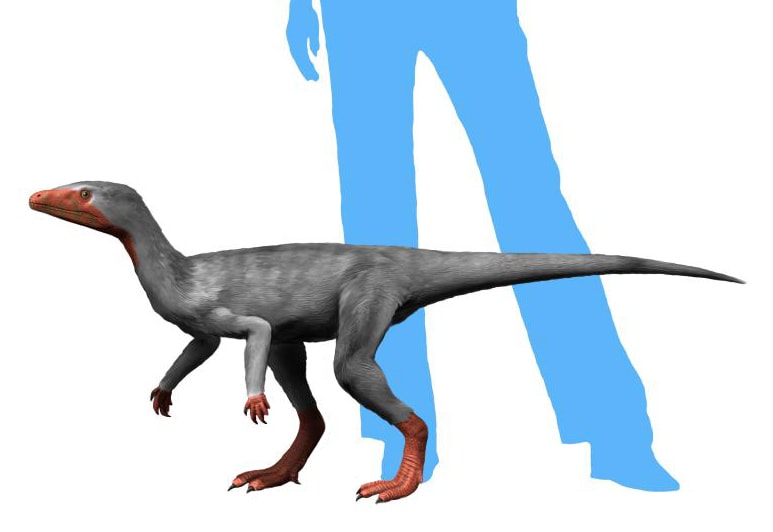
Tawa hallae

A lightly built Late Triassic theropod from Ghost Ranch, represented by several articulated skeletons that illuminate early dinosaur dispersal.

carnivore~2.5 m

Cretaceous

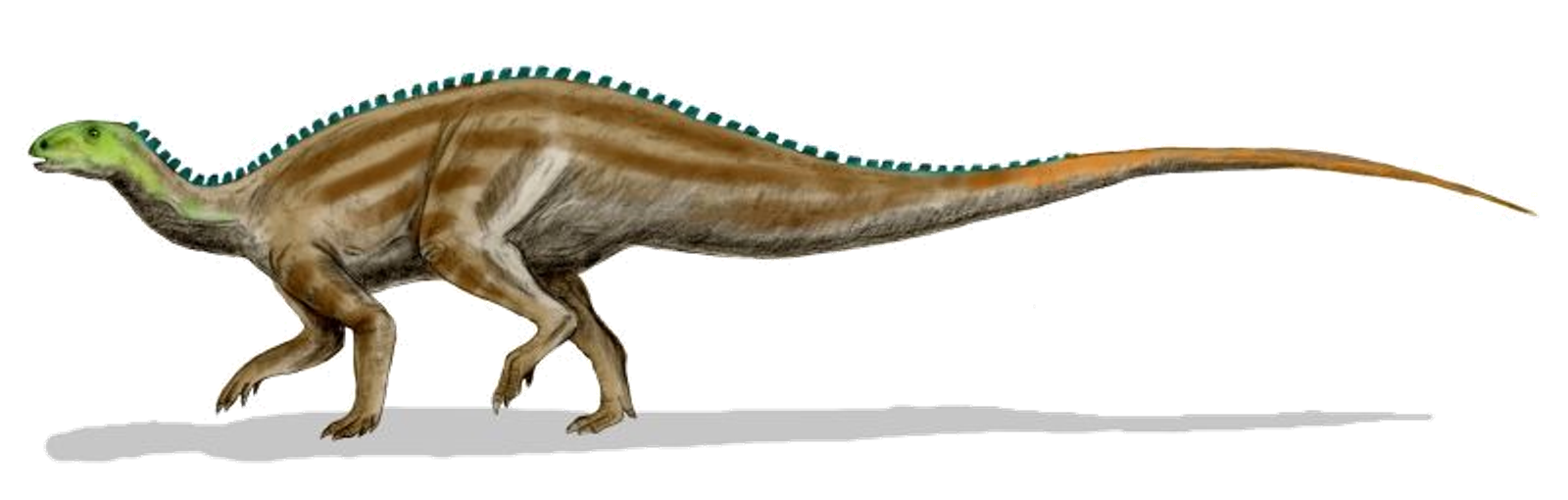
Tenontosaurus tilletti

A common Cloverly Formation ornithopod with a powerful body and an exceptionally long, tendon-stiffened tail.

herbivore~6.5 m

Cretaceous

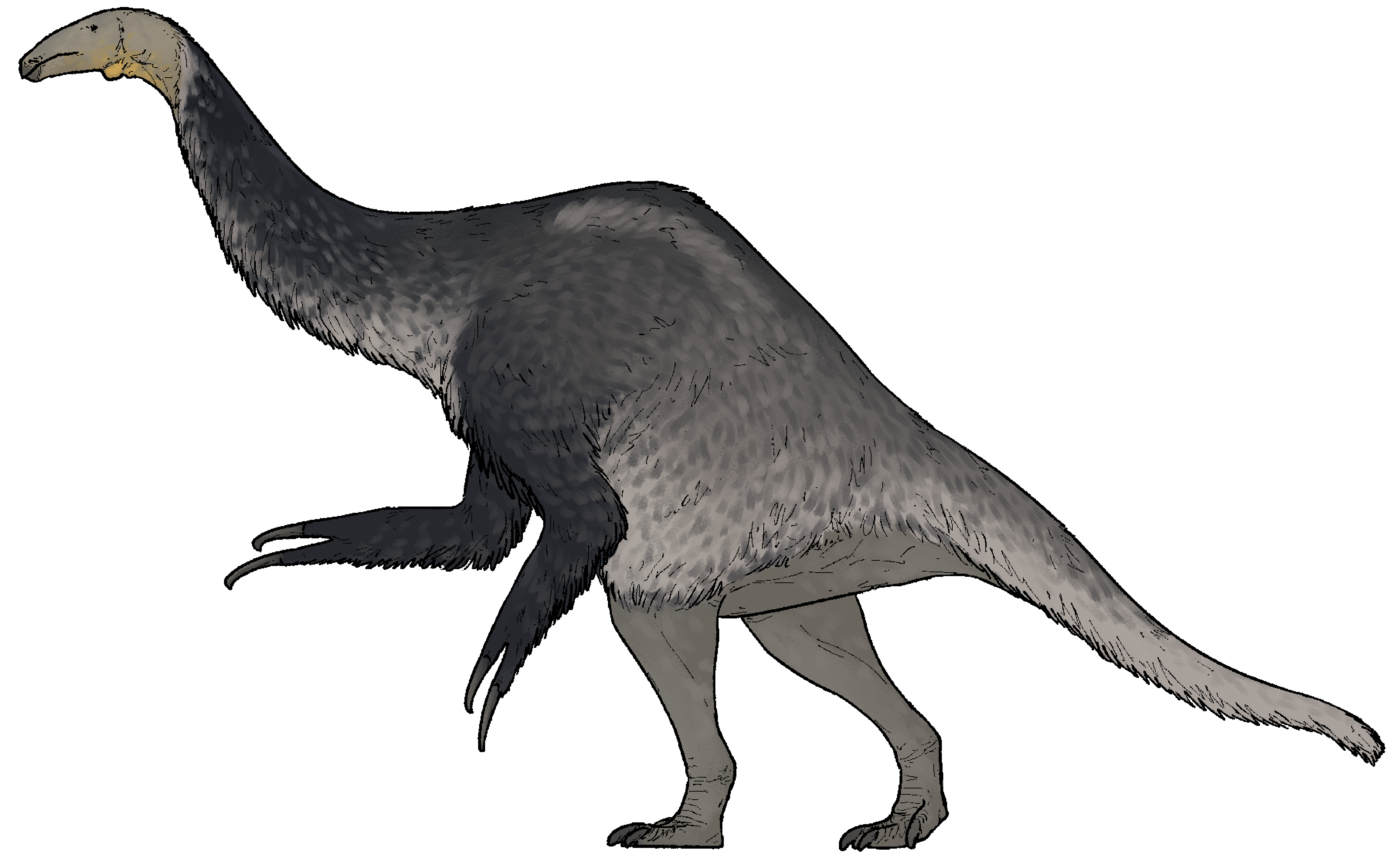
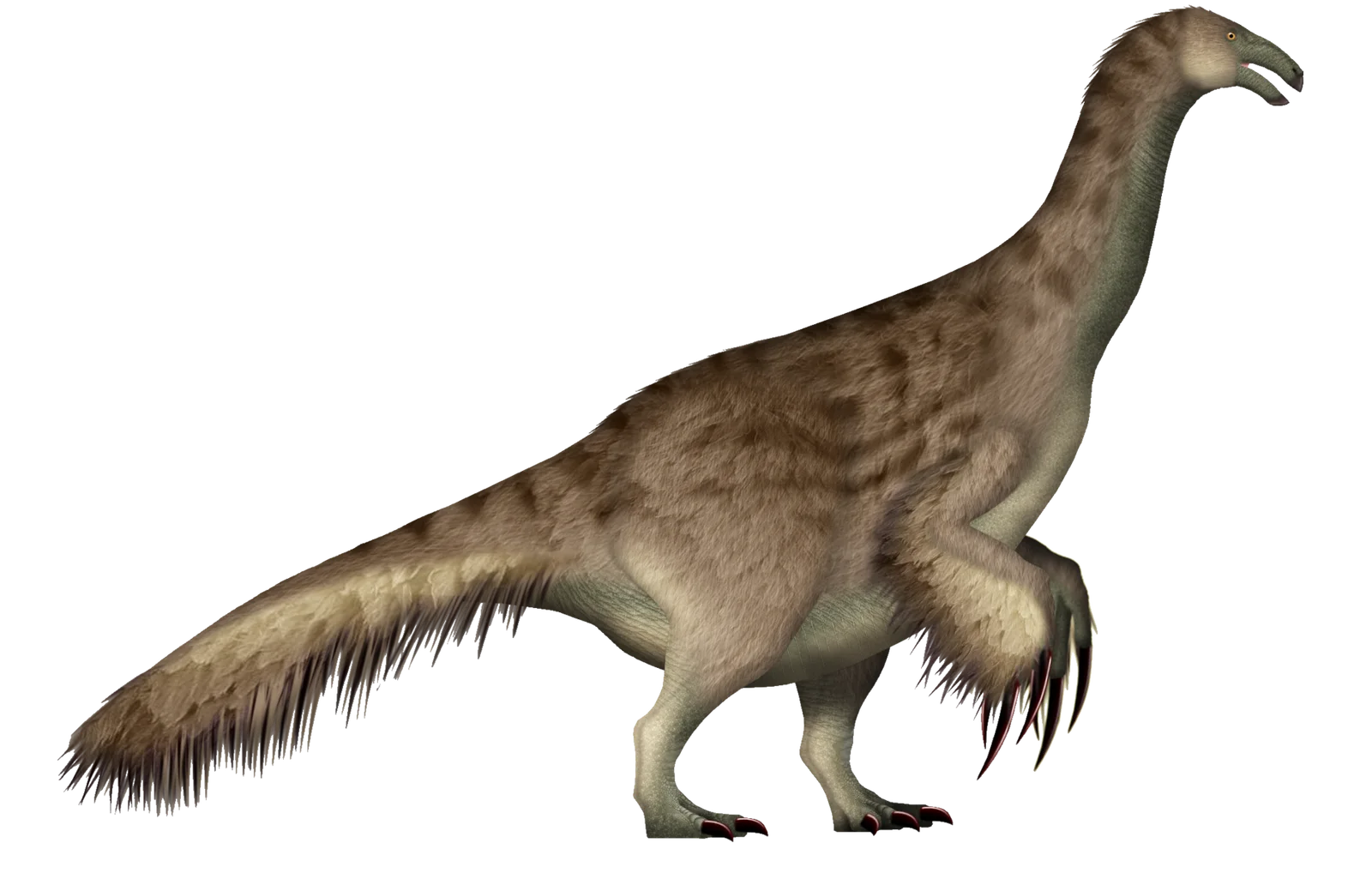
Therizinosaurus cheloniformis

A giant, plant-eating theropod from Mongolia known chiefly from enormous forelimbs and blade-like claw bones; its familiar long-necked, broad-bellied body is reconstructed from more complete relatives.

herbivore~9 m

Jurassic

Torvosaurus tanneri

A large, robust megalosaurid predator from the Morrison Formation, distinguished by massive three-fingered forelimbs and fragmentary skull material.

carnivore~9 m

Cretaceous

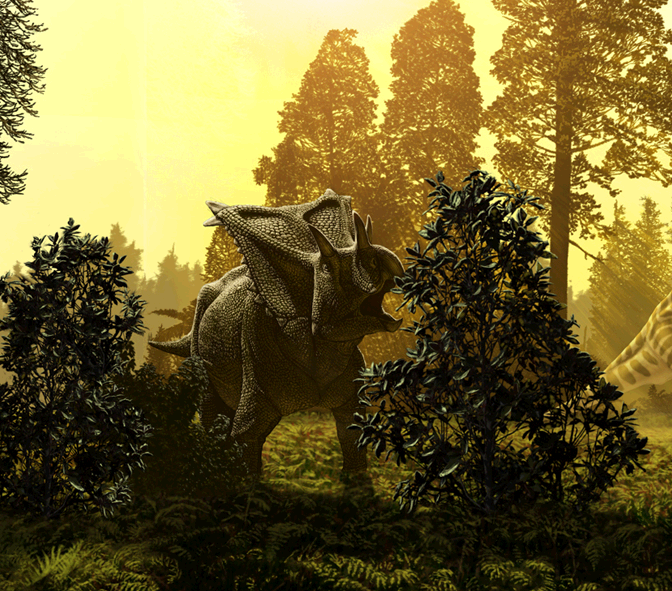
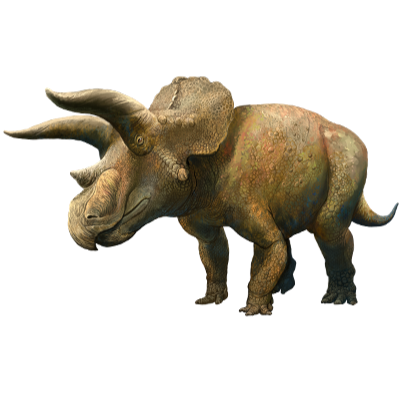
Triceratops horridus

A massive latest-Cretaceous herbivore with a parrot-like beak, continuously replacing dental batteries, two long brow horns, a nasal horn and a solid bony frill. It lived alongside Tyrannosaurus during the final two million years of the dinosaur age.

herbivore~8.5 m

Jurassic

Tuojiangosaurus multispinus

A well-represented Chinese stegosaur with a long low skull, changing plate shapes along its back and formidable spikes toward the end of the tail.

herbivore~7 m

Cretaceous

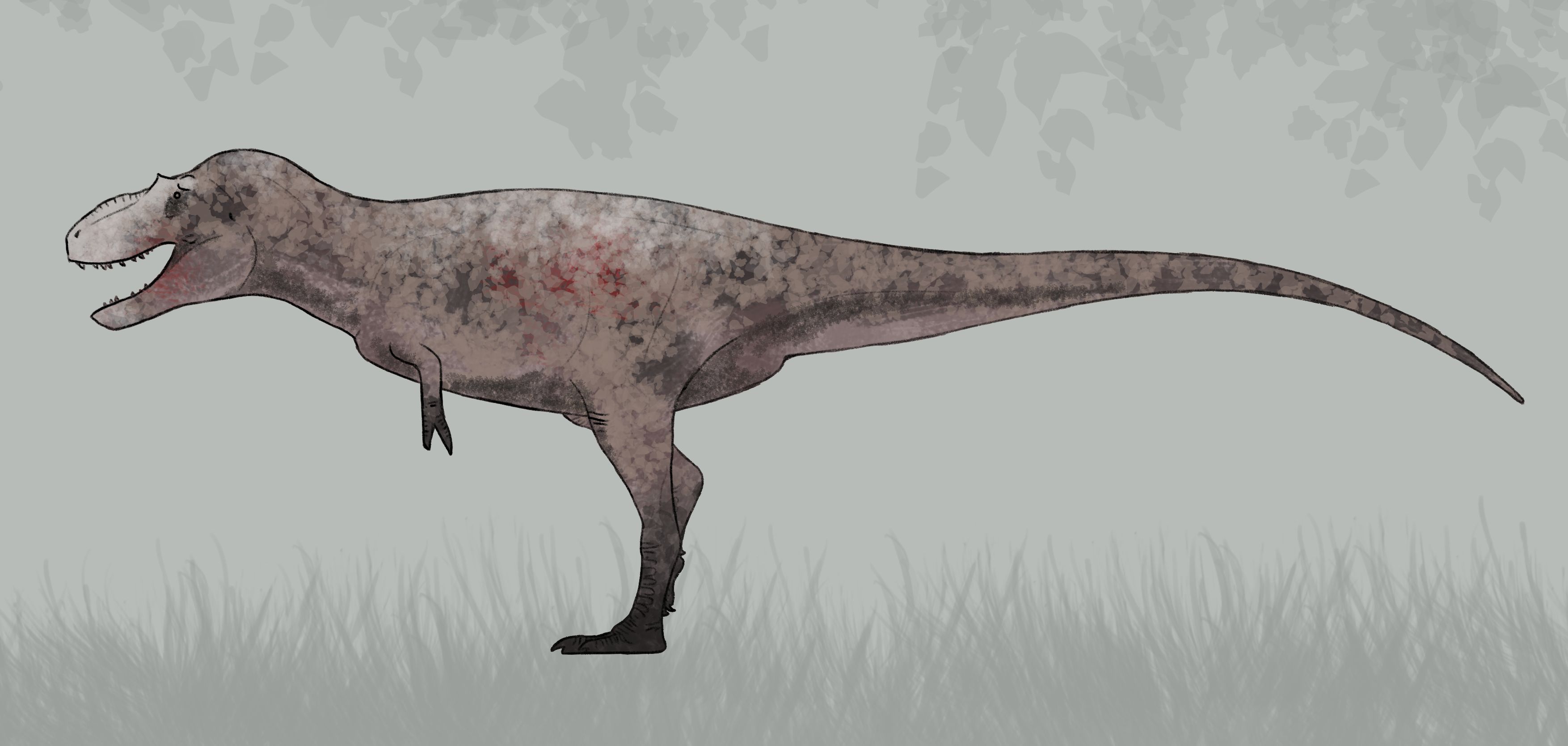
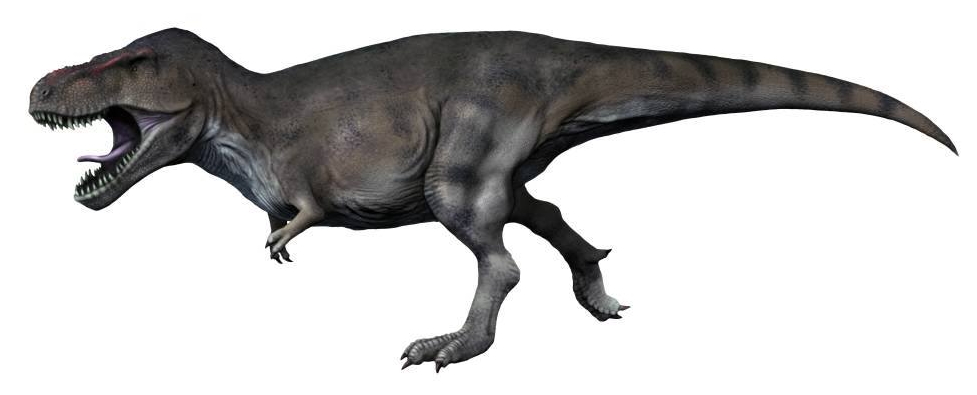
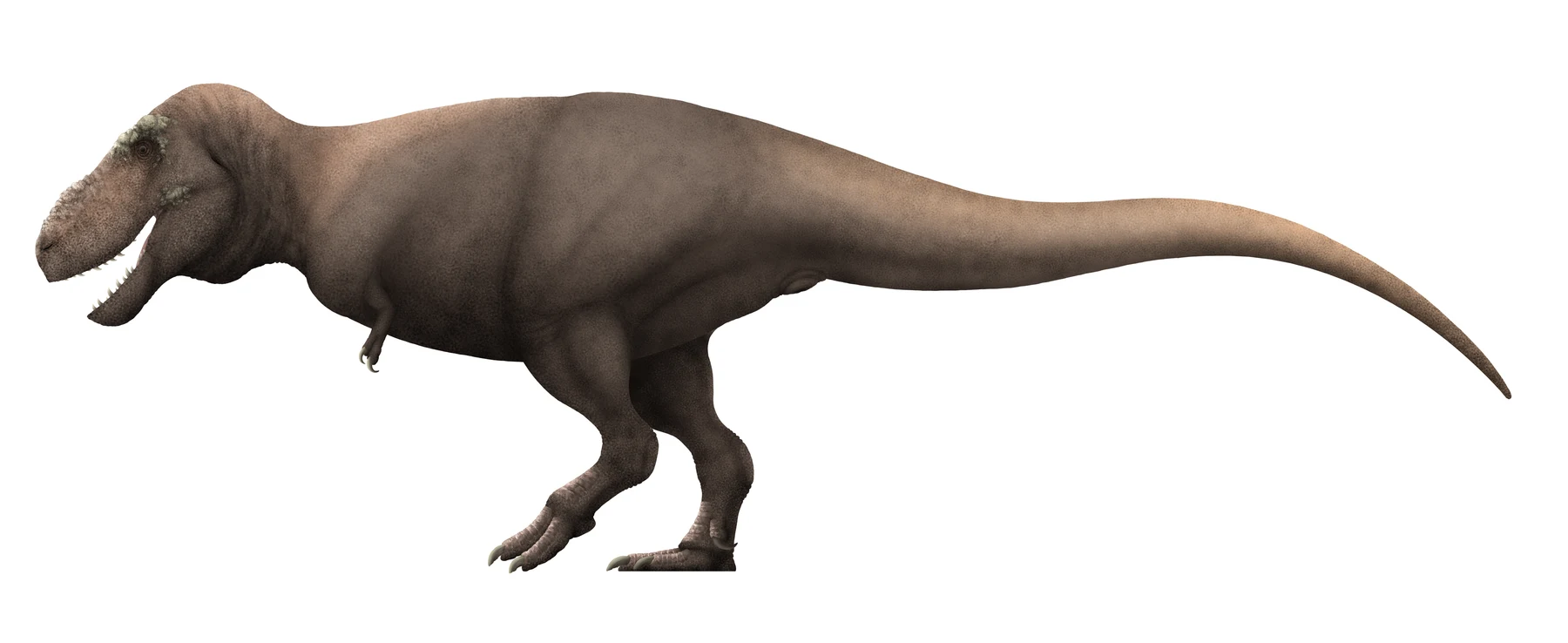
Tyrannosaurus rex

A massive latest-Cretaceous tyrannosaurid with a deep, reinforced skull, bone-crushing teeth, powerful hind limbs and extremely short two-fingered arms. Exceptional skeletons reveal dramatic changes from lightly built juveniles to heavy adults.

carnivore~12.3 m

Cretaceous

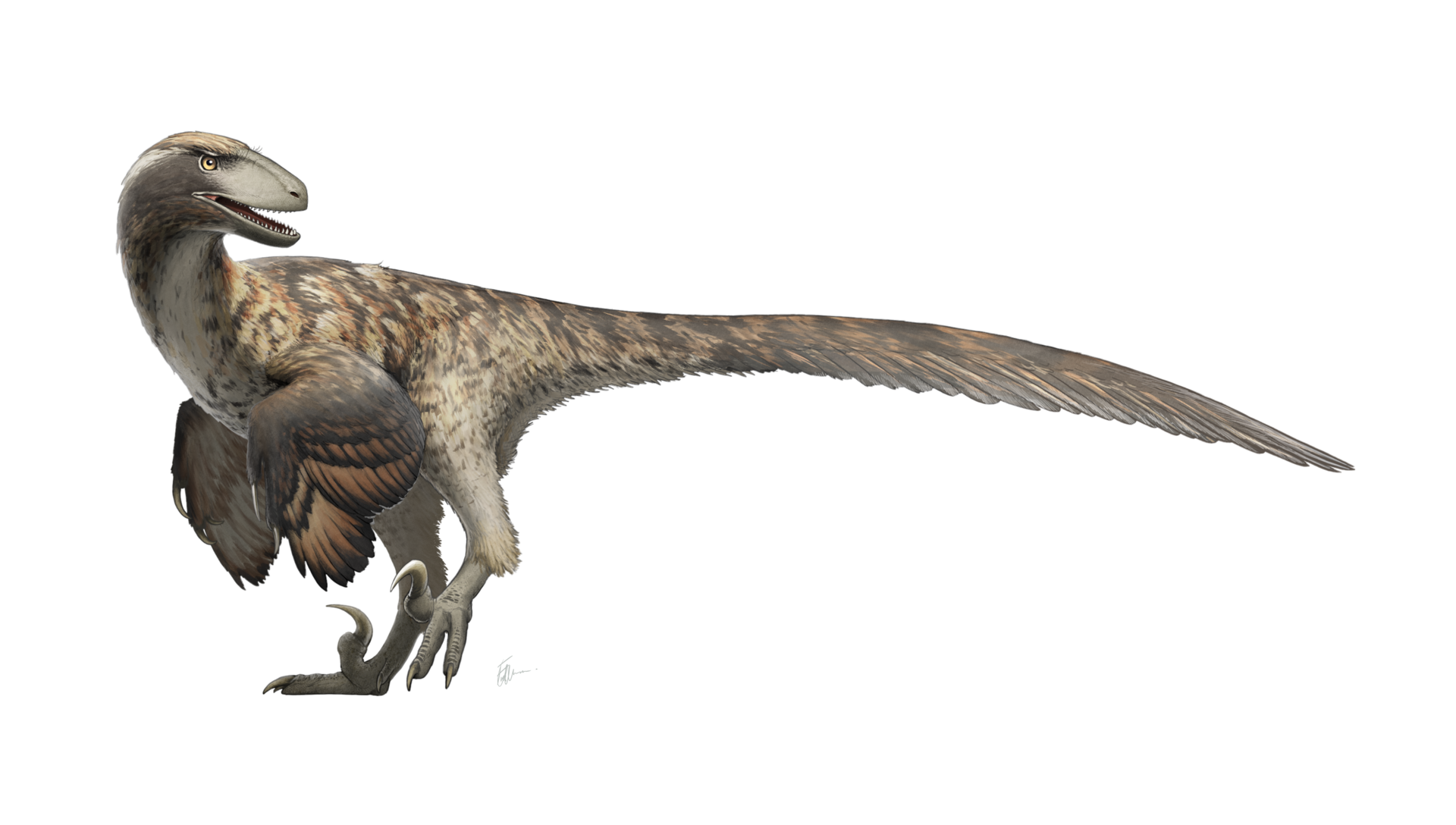
Utahraptor ostrommaysi

The largest well-supported dromaeosaur, a powerfully built Early Cretaceous predator from eastern Utah known from scattered type material, larger BYU individuals and a remarkable multi-age sandstone block still being prepared.

carnivore~5.5 m

Cretaceous

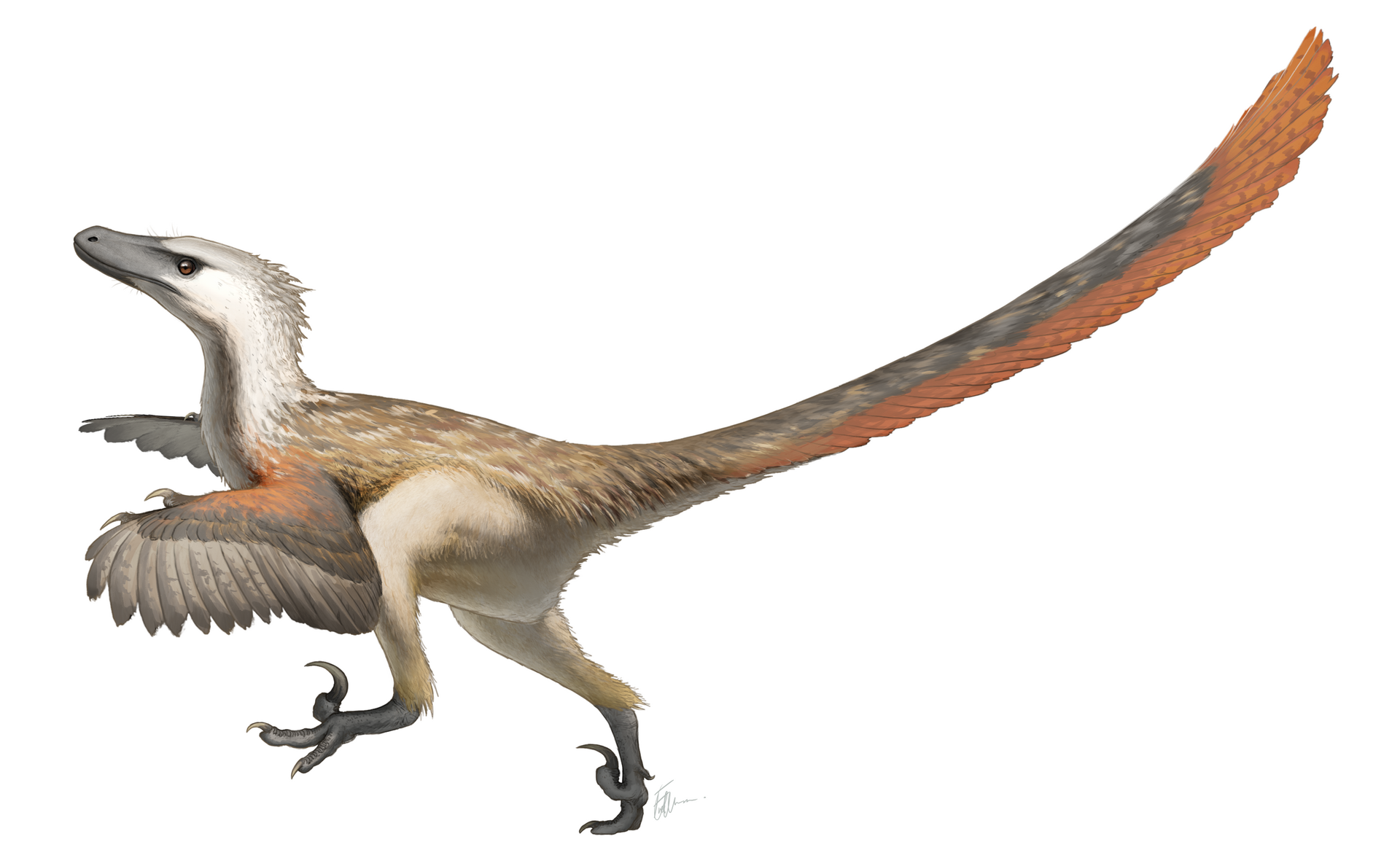
Velociraptor mongoliensis

A turkey-sized, fully feathered dromaeosaurid from Mongolia's Late Cretaceous deserts. Its real anatomy includes wing feathers, a long stiffened tail and an enlarged second-toe claw—but not the human-sized, scaly body made famous by films.

carnivore~2 m

Cretaceous

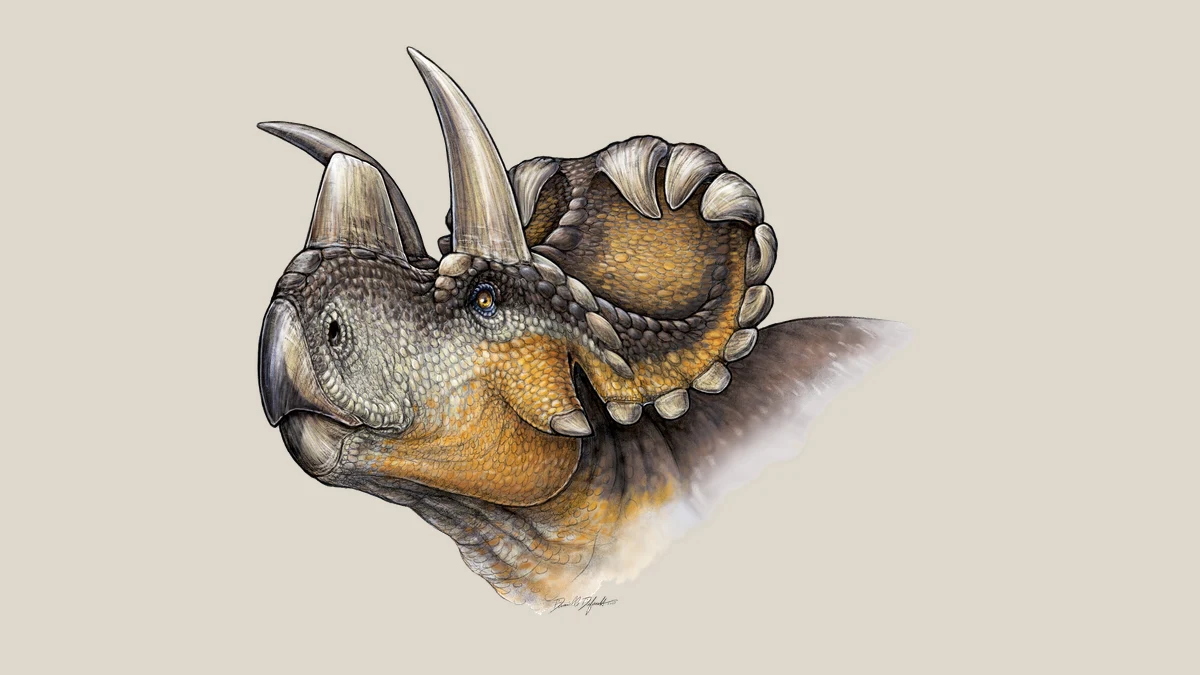
Wendiceratops pinhornensis

A richly ornamented early centrosaurine from an Alberta bonebed, recognized by broad frill hooks that curl forward over the shield.

herbivore~6 m

Jurassic

Xiangyunloong fengming

A large early sauropodomorph from Yunnan, China, represented by a mature partial skeleton that illuminates body-size evolution before true giant sauropods.

herbivore~9.5 m

Cretaceous

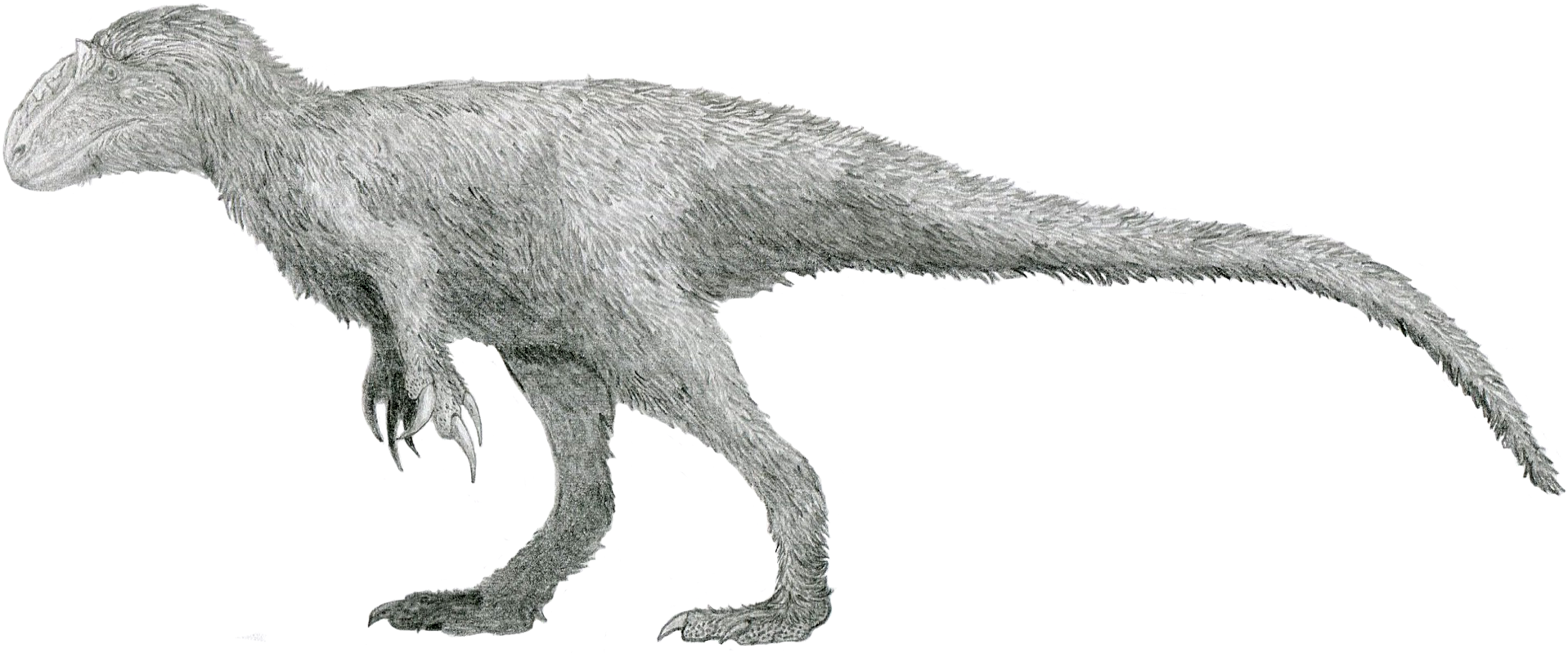
Yutyrannus huali

A nine-metre Early Cretaceous tyrannosauroid known from three remarkably complete skeletons with direct impressions of long filamentous feathers.

carnivore~9 m

Cretaceous

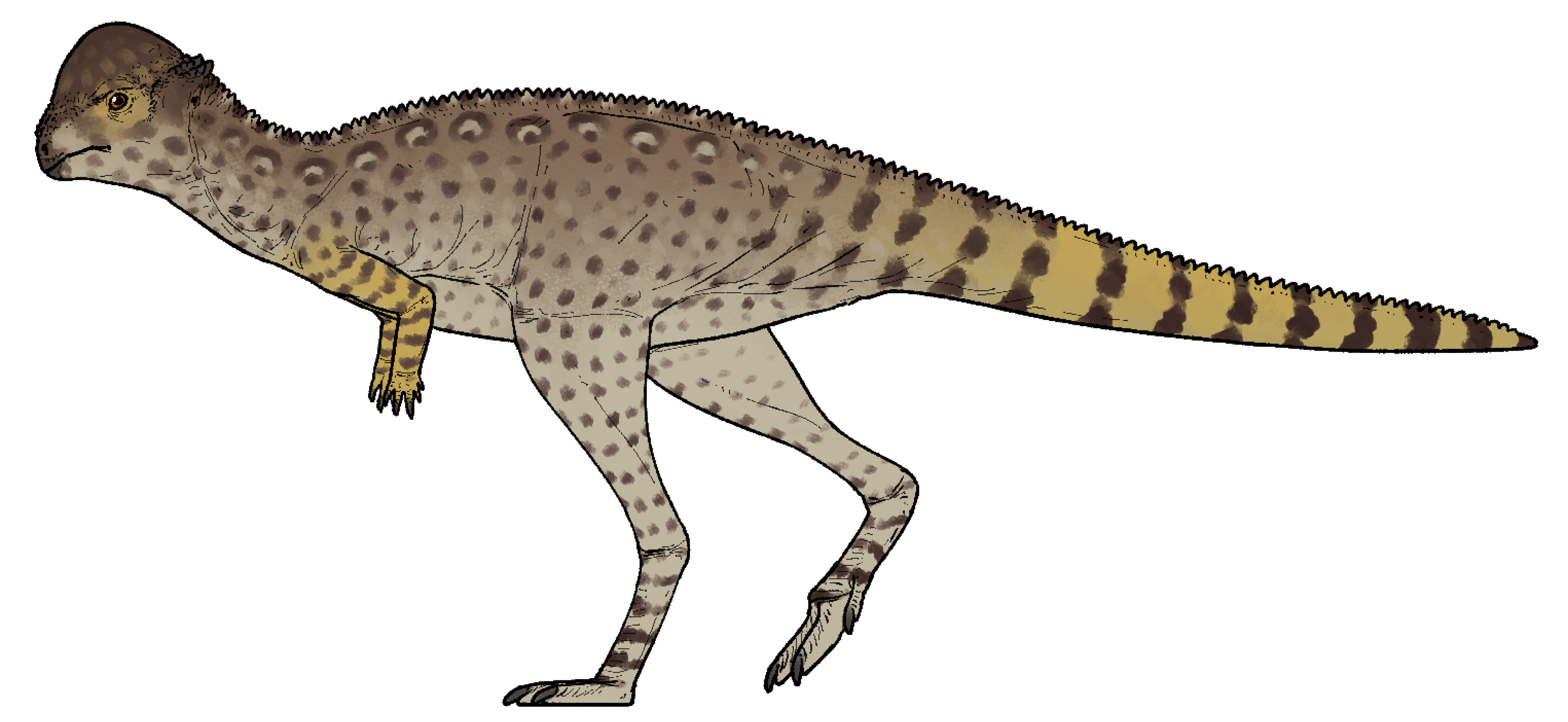
Zavacephale rinpoche

The oldest definitive and most complete known pachycephalosaur, a sheepdog-sized Mongolian herbivore whose dome developed before its body finished growing.

herbivore~0.95 m

Cretaceous

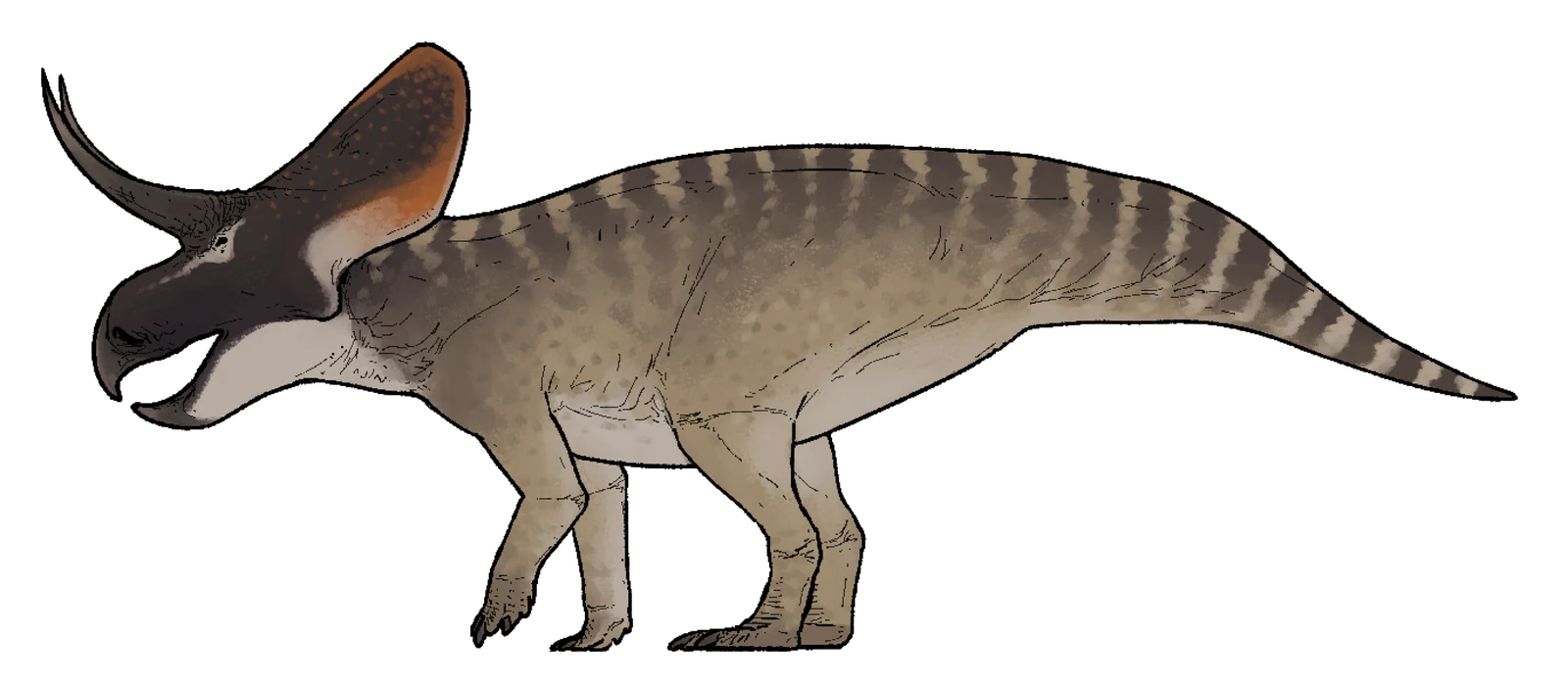
Zuniceratops christopheri

An early horned dinosaur from New Mexico with paired brow horns and a frill, but without the advanced dental battery of later ceratopsids.

herbivore~3.2 m