Skip to content
Dinosauria Tree

Quick access on iPhone

Add Dinosauria Tree to your Home Screen

Open the dinosaur tree like an app, with its own icon and more screen space.

  1. 1. Tap Share

    Find the Share button in your browser toolbar.

  2. 2. Choose Add to Home Screen

    You may need to scroll down in the Share menu.

  3. 3. Tap Add

    The Dinosauria Tree icon will appear on your Home Screen.

Dismiss it and this reminder will wait 30 days.

clade · 22 represented species

Marginocephalia

Marginocephalia unites pachycephalosaurs and ceratopsians, ornithischians characterized by specialized bone along the rear margin of the skull.

Explore this branch Parent: Neornithischia

Public correction form

Report an error

Marginocephalia

The page URL and title are included automatically. Optional contact details are used only to discuss this report. Do not submit private information or precise sensitive fossil-site coordinates.

Representative silhouette for Marginocephalia
2Direct child groups
4Countries represented
161–66 MaDataset range

Definition

Characteristics and significance

The lineage produced two contrasting forms of cranial elaboration: thickened skull roofs and expanded frills with horns.

  • Bony shelf or thickening at the rear of the skull
  • Beaked, herbivorous jaws

Name meaning: Fringed heads

Branch structure

Direct branches in this dataset

Representative taxa

Dinosaurs in this branch

Cretaceous

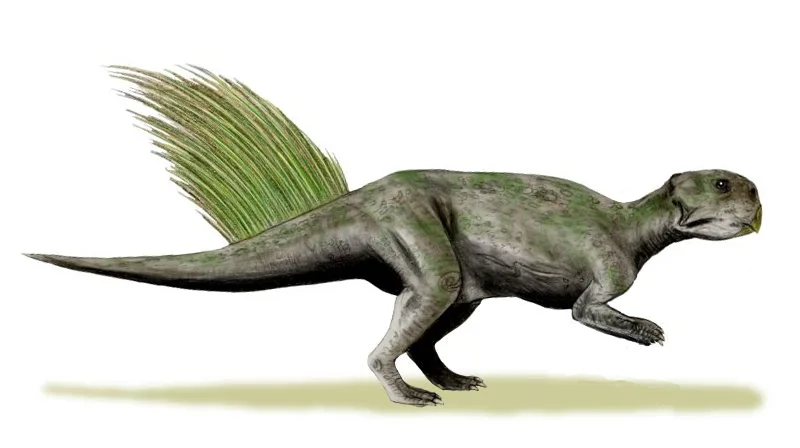
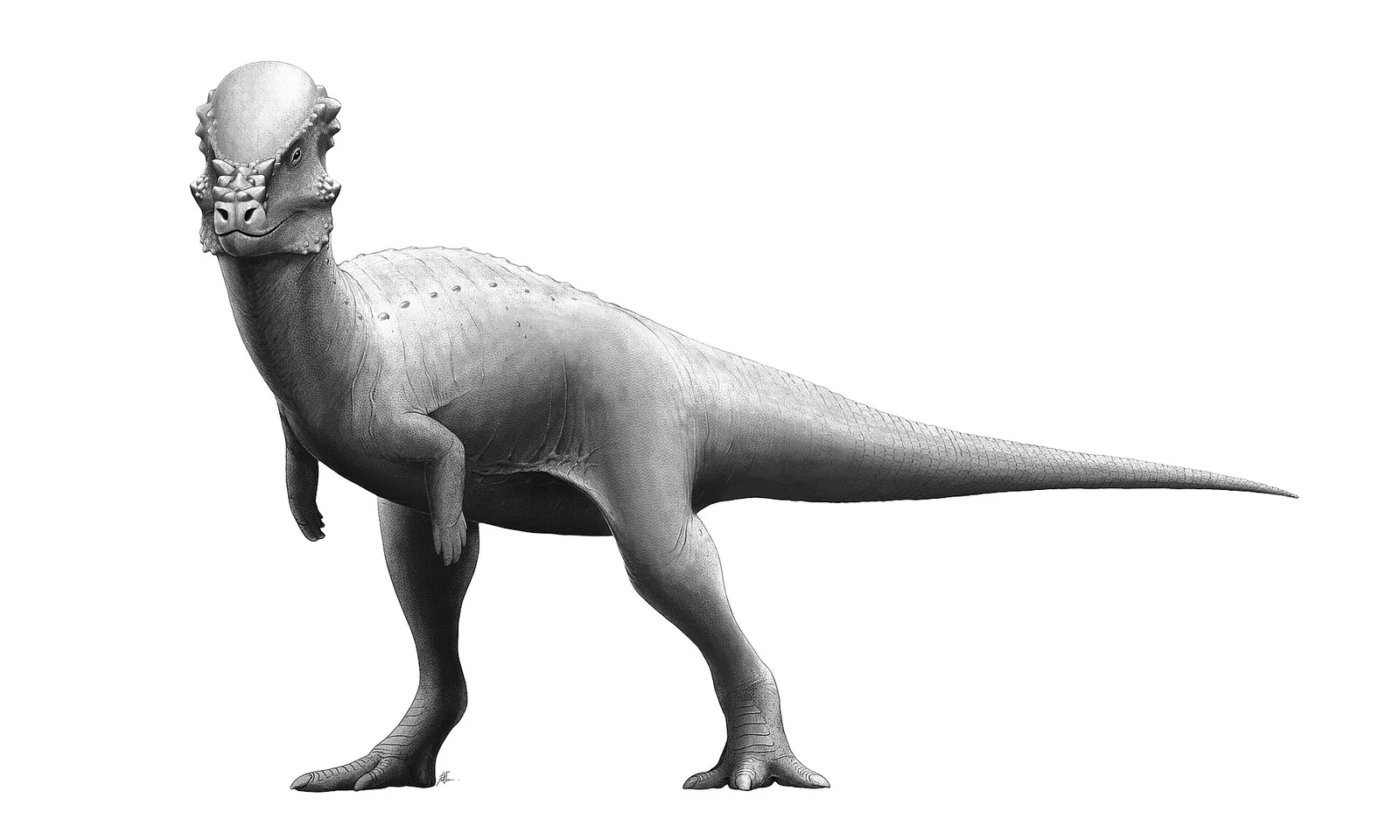
Pachycephalosaurus wyomingensis

The largest well-known dome-headed dinosaur, from the latest Cretaceous of the western United States. Adult skulls carry a massive rounded dome and a fringe of blunt nodes, but much of the body remains reconstructed from incomplete skeletons and close relatives.

herbivore~4.5 m
Cretaceous

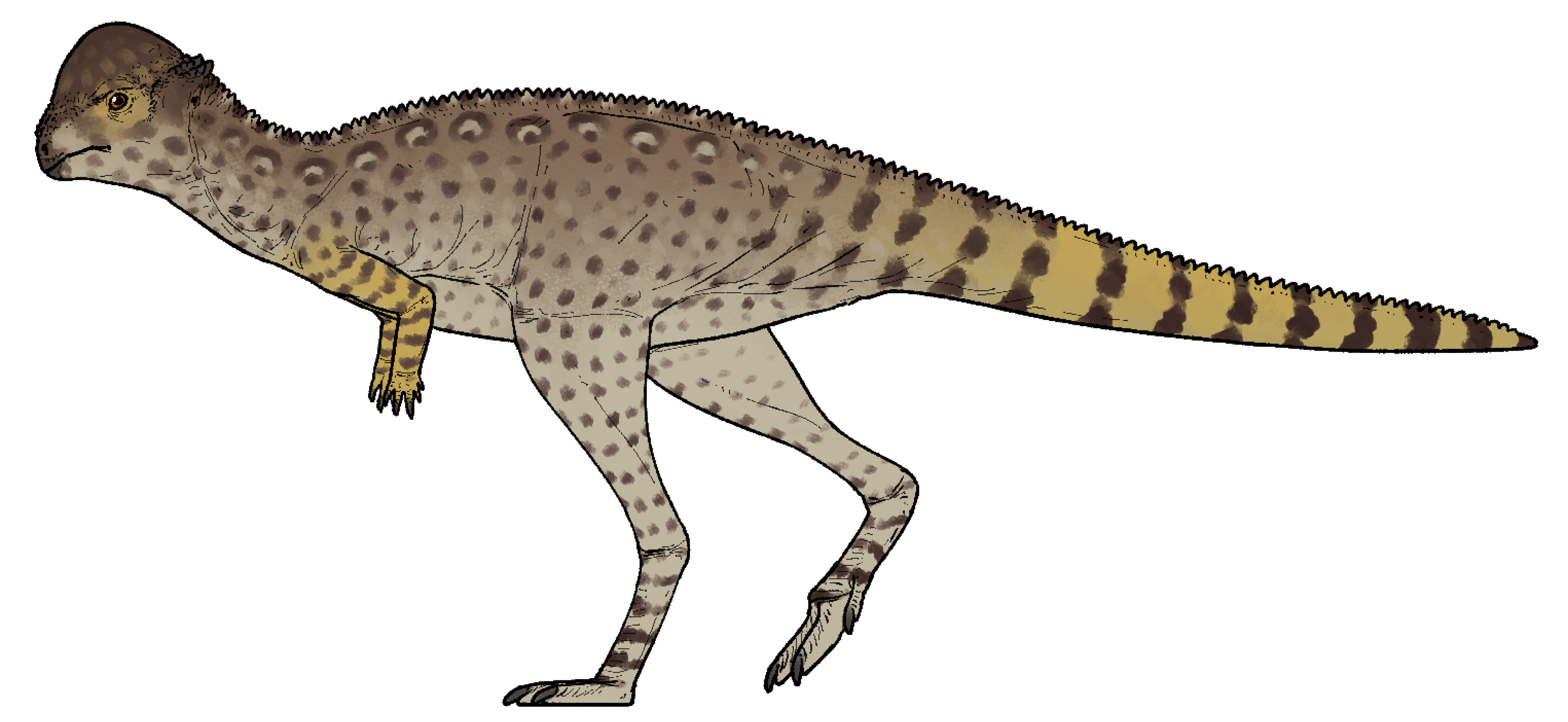
Zavacephale rinpoche

The oldest definitive and most complete known pachycephalosaur, a sheepdog-sized Mongolian herbivore whose dome developed before its body finished growing.

herbivore~0.95 m

Cretaceous

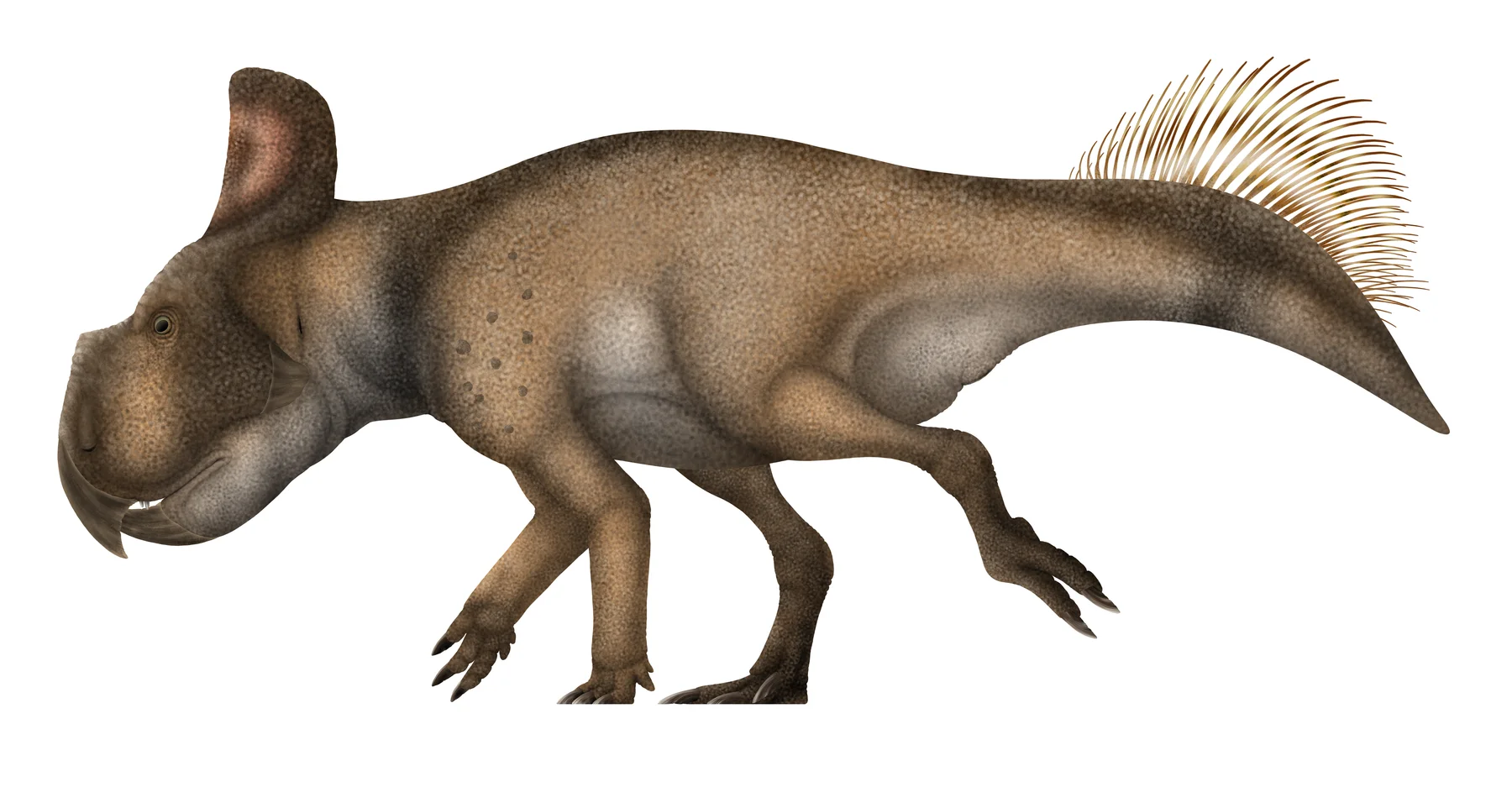
Protoceratops andrewsi

A sheep- to pig-sized, four-legged ceratopsian from Mongolia’s Late Cretaceous dune fields, known from abundant skulls and skeletons, a juvenile nest and the extraordinary ‘Fighting Dinosaurs’ fossil.

herbivore~2 m

Cretaceous

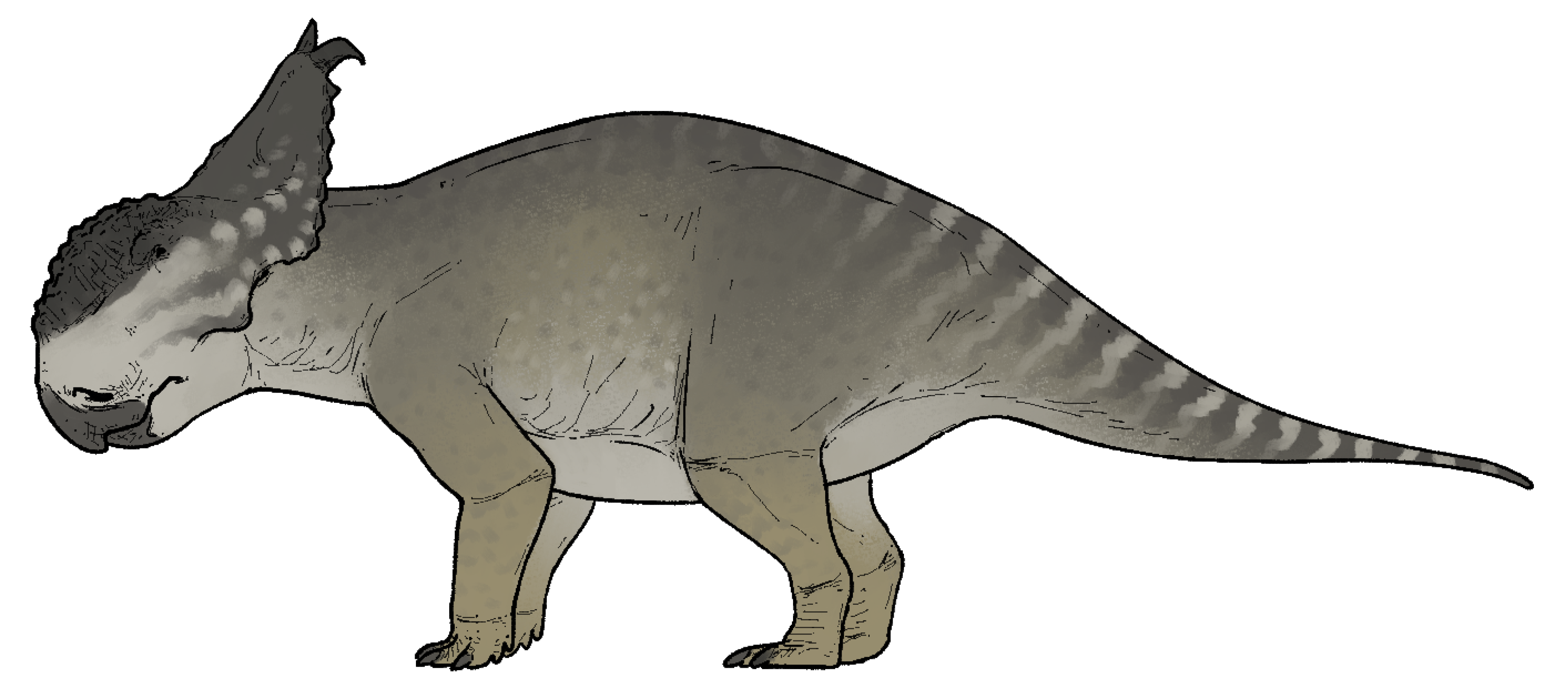
Pachyrhinosaurus canadensis

A large Canadian centrosaurine whose nose carried a broad roughened boss instead of a conventional horn, known from multiple partial skulls and regional bonebeds.

herbivore~6 m

Cretaceous

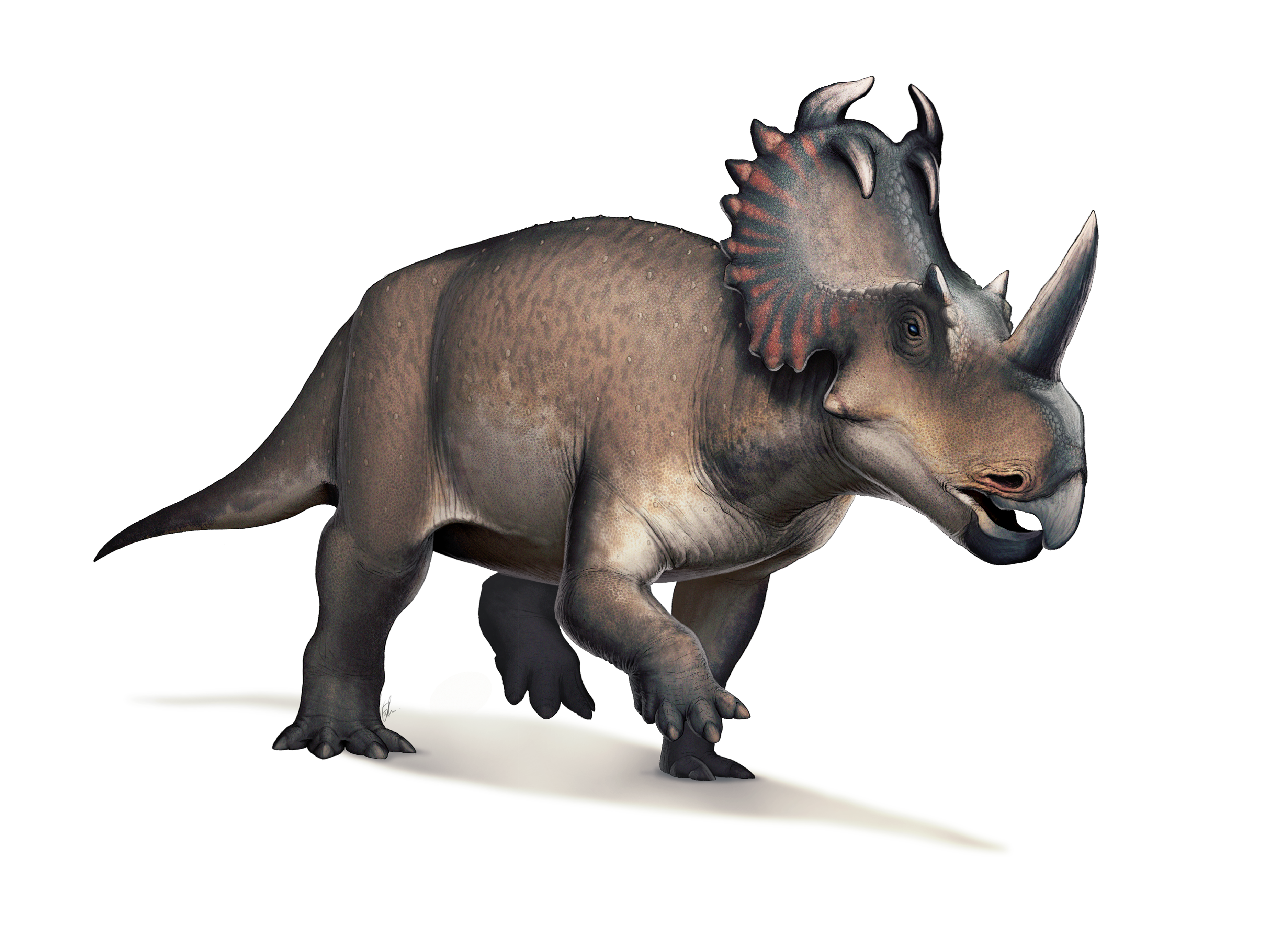
Centrosaurus apertus

A short-frilled horned dinosaur from Alberta, famous for its long nasal horn, hooked frill ornaments and enormous mass-death bonebeds.

herbivore~5.5 m

Distribution

Geographic record

United States · Mongolia · Canada · China

Country-level summary of represented seed records, not a complete range map.

Sources

Further reading