Skip to content
Dinosauria Tree

Quick access on iPhone

Add Dinosauria Tree to your Home Screen

Open the dinosaur tree like an app, with its own icon and more screen space.

  1. 1. Tap Share

    Find the Share button in your browser toolbar.

  2. 2. Choose Add to Home Screen

    You may need to scroll down in the Share menu.

  3. 3. Tap Add

    The Dinosauria Tree icon will appear on your Home Screen.

Dismiss it and this reminder will wait 30 days.

clade · 23 represented species

Sauropodomorpha

Sauropodomorpha is the predominantly herbivorous lineage that ranges from early, often bipedal forms to the giant quadrupedal sauropods.
Explore this branch Parent: Saurischia

Public correction form

Report an error

Sauropodomorpha

The page URL and title are included automatically. Optional contact details are used only to discuss this report. Do not submit private information or precise sensitive fossil-site coordinates.

Representative silhouette for Sauropodomorpha
4Direct child groups
11Countries represented
233–66 MaDataset range

Definition

Characteristics and significance

Sauropodomorph evolution records the transition to long-necked, column-limbed giants and produced the largest terrestrial animals known.

  • Relatively small head and elongated neck
  • Leaf-shaped teeth in many early members
  • Columnar limbs and obligate quadrupedality in sauropods

Name meaning: Sauropod forms

Branch structure

Direct branches in this dataset

Representative taxa

Dinosaurs in this branch
Triassic

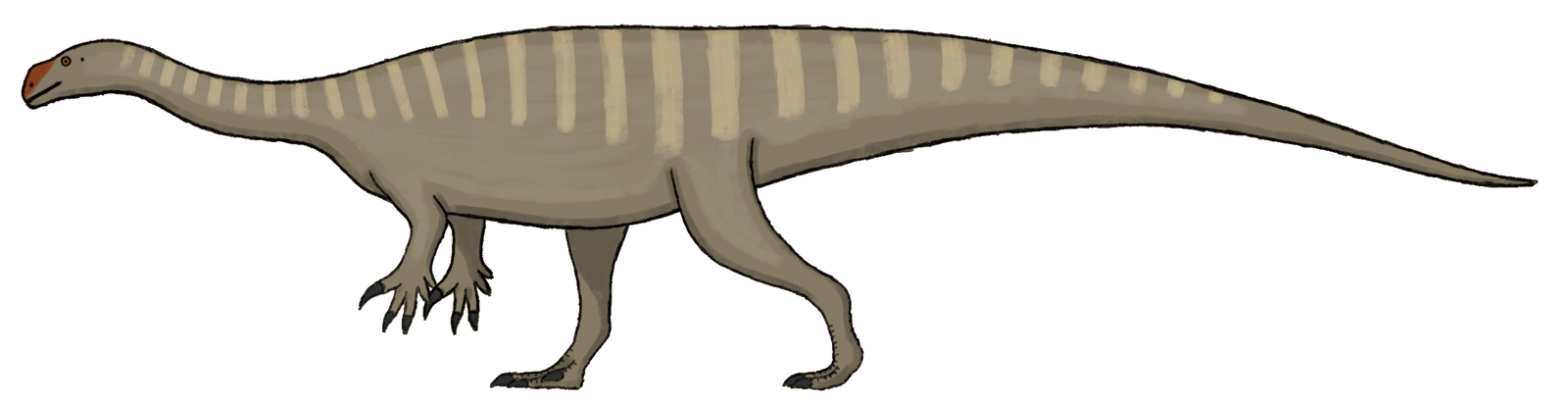
Plateosaurus trossingensis

A large, obligately bipedal Late Triassic herbivore known from exceptionally complete European skeletons. Its holotype, growth record and healed injuries make it a cornerstone for understanding early sauropodomorphs.

herbivore~6.7 m

Triassic

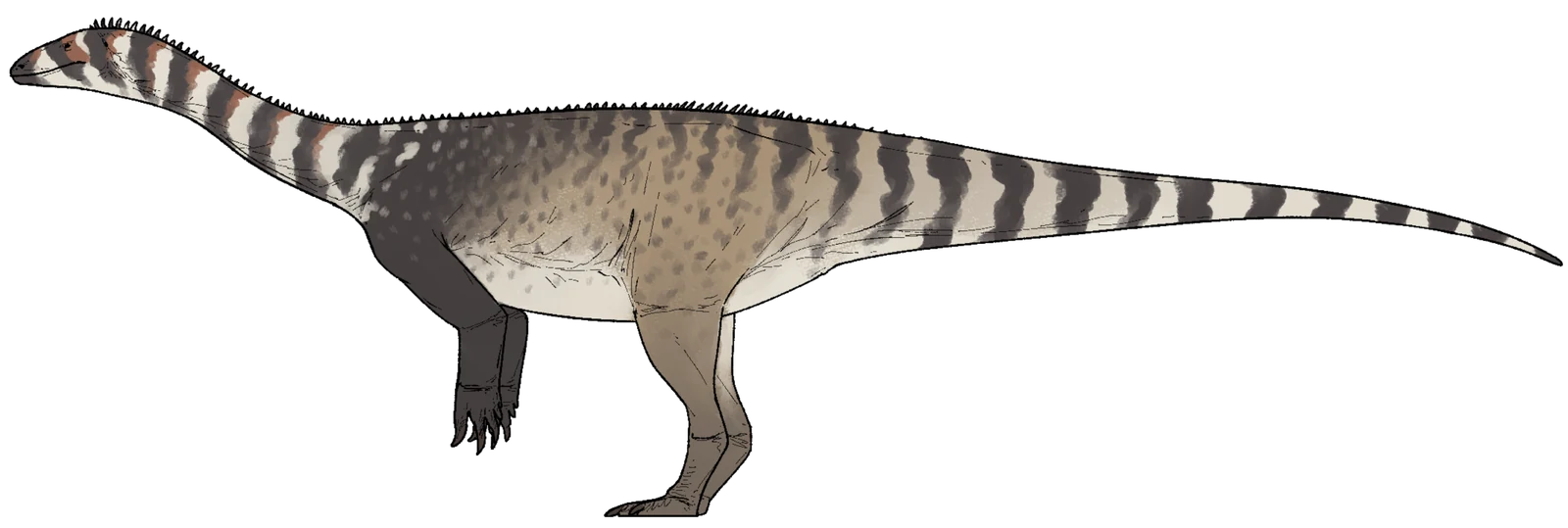
Musango matusadonaensis

A newly named, nearly grown Late Triassic sauropodomorph from Zimbabwe, known from a skull-less partial skeleton that survived a serious injury or infection.

herbivore~4.5 m

Jurassic

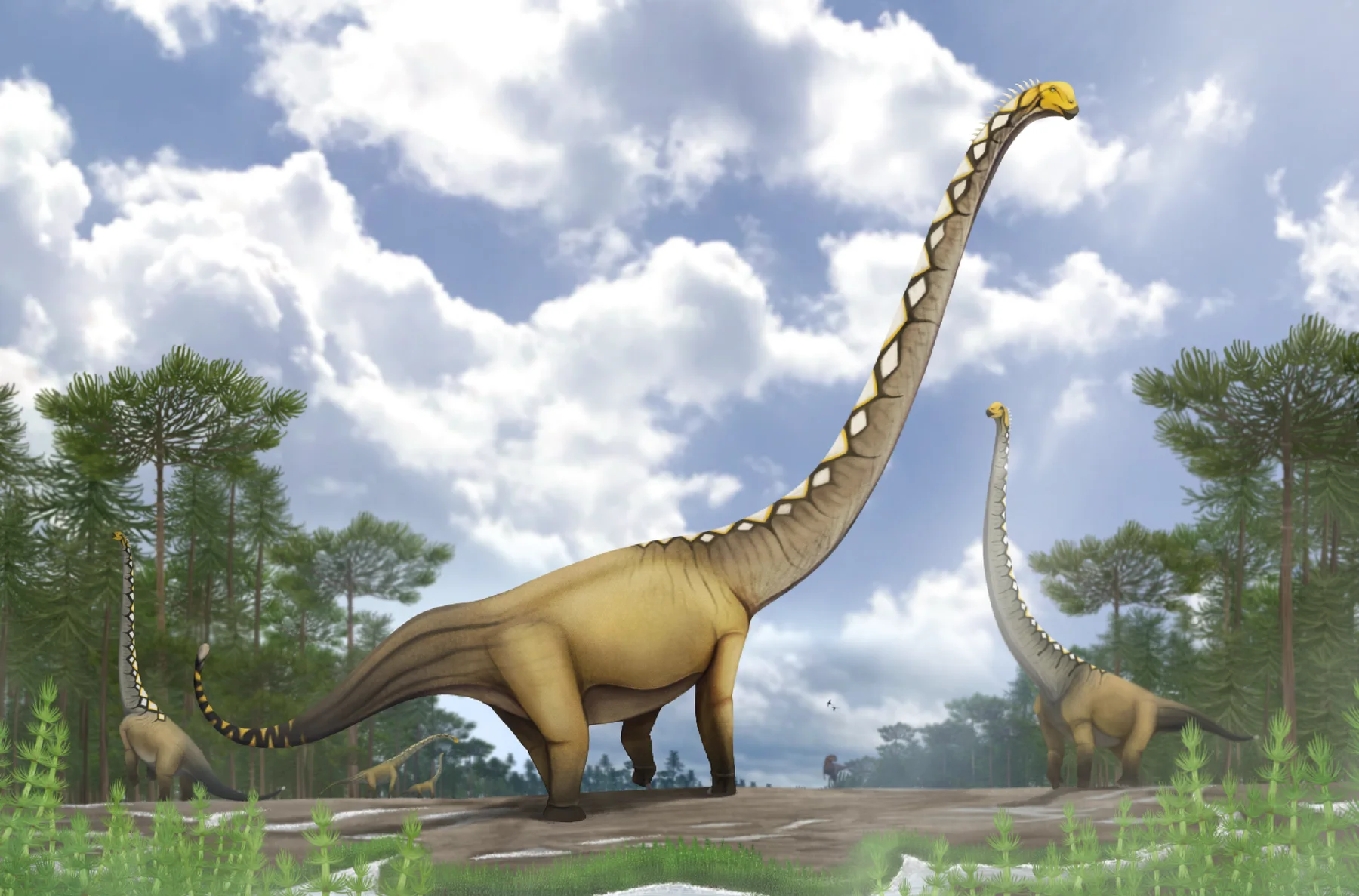
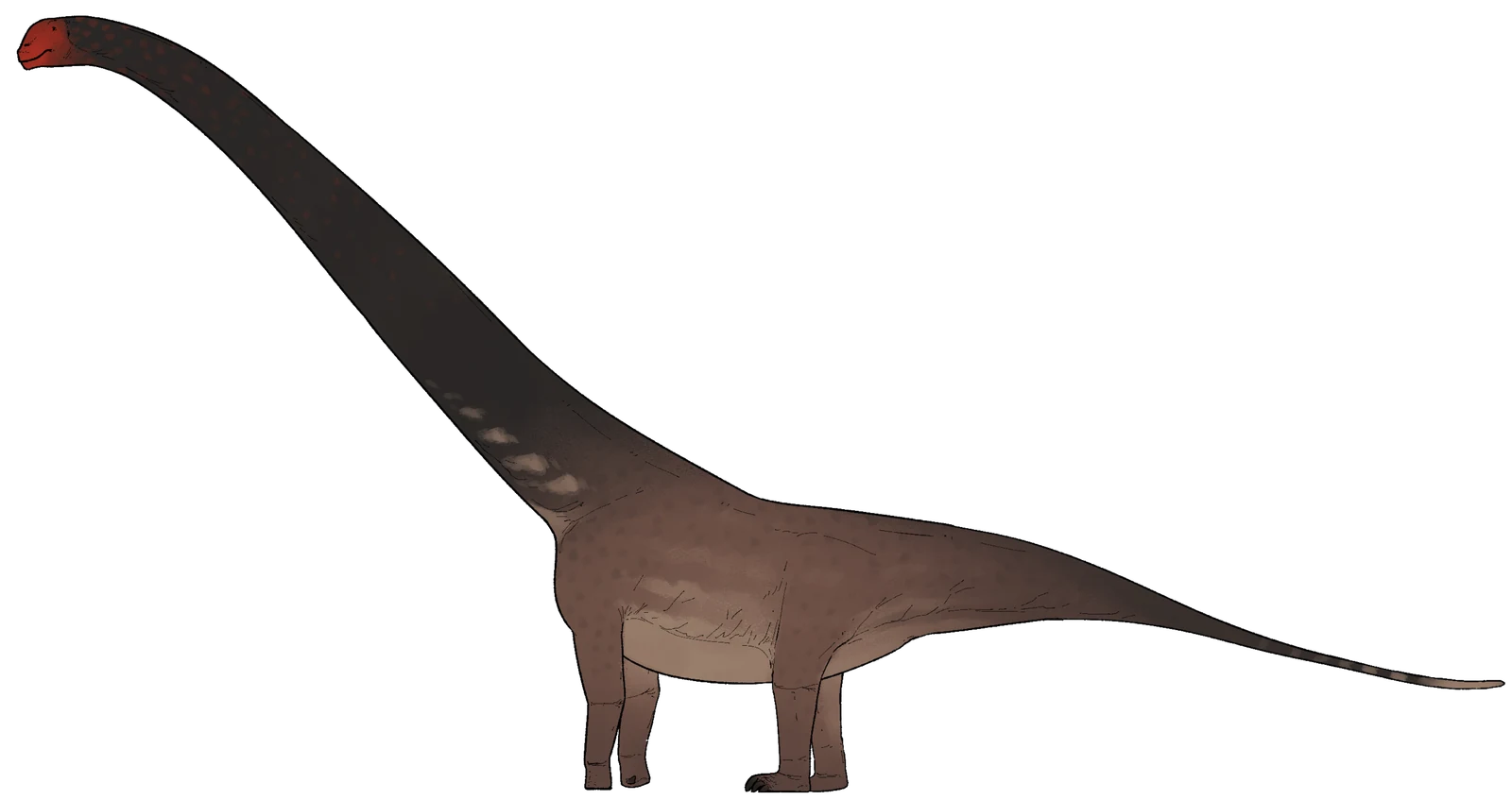
Mamenchisaurus hochuanensis

A nearly complete Chinese sauropod famous for a neck about 9.5 metres long, an exceptional cervical series and a small fused structure at the end of its tail.

herbivore~22 m

Jurassic

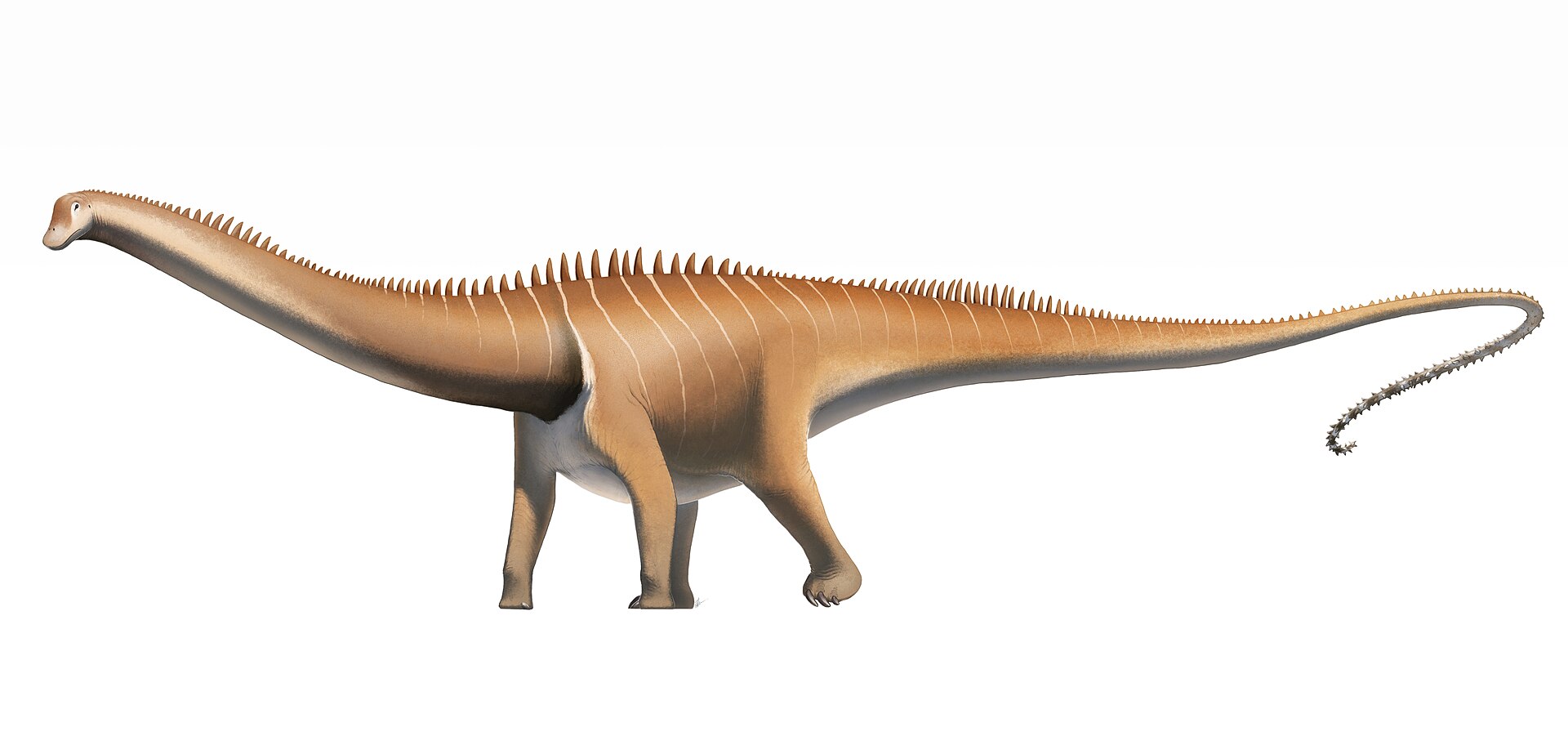
Diplodocus carnegii

A long, lightly built Morrison Formation sauropod with peg-like front teeth and an extraordinarily long tail. Its famous Carnegie skeleton—and casts sent around the world—made Diplodocus a global museum icon.

herbivore~25 m

Jurassic

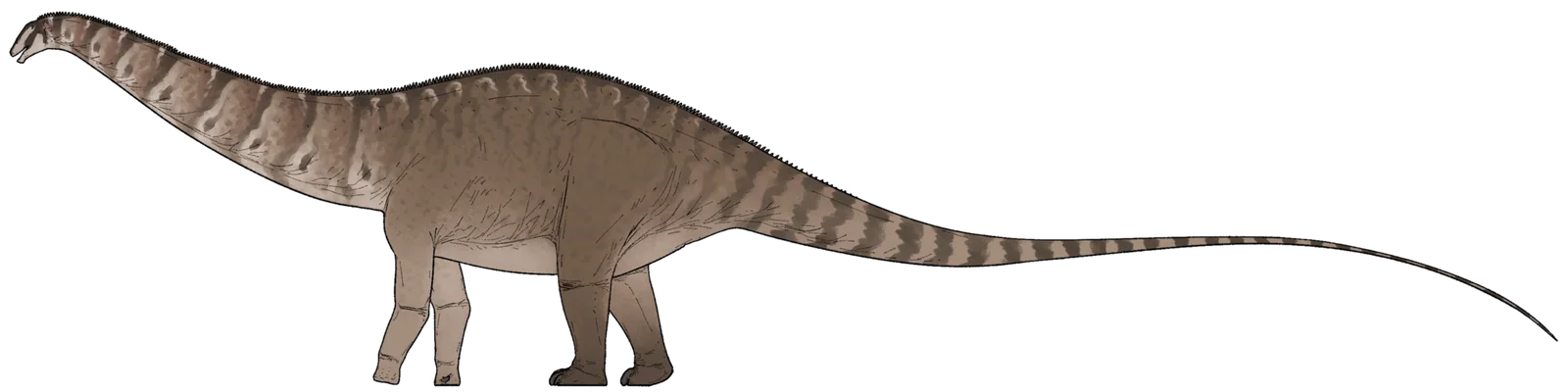
Apatosaurus louisae

A powerfully built Late Jurassic diplodocid known from the nearly complete Carnegie Quarry skeleton CM 3018, with an exceptionally thick neck, stout limbs and a long tapering tail.

herbivore~22 m

Distribution

Geographic record

Germany · Switzerland · France · Zimbabwe · Thailand · China · United States · Niger · Argentina · Tanzania · India

Country-level summary of represented seed records, not a complete range map.

Sources

Further reading